City of Mérida: Travel Guide – City of Eternal Spring
- Population approx. 300,000
- Altitude 1,635 m
The air is cool and crisp; on a clear day, the peaks of the ‘five white eagles’ – Pico Bolívar (4,978 m) and its neighbours – glisten to the south. Nestled in a narrow Andean valley, Mérida enjoys mild temperatures all year round, which is why it is also known as the city of eternal spring.
Mérida is known for its student atmosphere combined with colonial charm. The Universidad de Los Andes is the second-oldest university in the country, and everywhere you go you’ll find young people, book cafés and affordable eateries. There is a diverse cultural scene, but you’ll search in vain for a vibrant nightlife: apart from a few clubs, the pavements are cleared relatively early, even at the weekend.
City of Mérida: Travel Guide
The city centre appears clean and tidy, with many historic façades having been lovingly restored. In the meantime, much had suffered from the challenges of the economic crisis. As everything is close together, you can stroll through the city at a leisurely pace. The ideal starting point is the palm-lined, shaded Plaza BolívarPlaza BolívarPlaza Bolívar is the historic heart of Mérida. It was laid out as the 'Plaza Mayor' as early as 1559 and is therefore almost as old as the city itself. It is surrounded by some of the city's most important buildings, such as Mérida Cathedral and the Government Palace. The square is a lively meeting place for locals and visitors alike, shaded by trees
It has officially borne its current name in honour of Simón Bolívar since 1859. In the centre of the square stands an equestrian statue of the Liberator, imported from Italy, which was unveiled in 1930. Mérida boasts of being the first place ever to have bestowed upon Simón Bolívar the title 'El Libertador' (the Liberator).
Street vendors around the plaza offer local specialities. You simply must try quesillo (a kind of Venezuelan flan) and canoles (filled pastry rolls) - both delicious, inexpensive snacks that are perfect for on the go.
A special experience awaits visitors at the north-eastern corner of the square (Avenida 3 and Calle 22). If you stand a few steps below the steps leading up to the square, you can create a multiple echo by clapping or shouting, which is reflected back by the walls of the houses on the opposite side of the street. A fascinating phenomenon that delights children in particular.
A visit in the late afternoon during the 'golden hour' is particularly recommended, when the light beautifully highlights the surrounding colonial architecture.
-
Address: Between Avenida 3 and 4 and Calles 22 and 23, Mérida
*Tip: Best time to visit: in the morning for pleasant temperatures and fewer crowds, in the evening for the lively atmosphere. Wi-Fi: The square offers free Wi-Fi. Parking: Parking in the city centre can be difficult - best to walk, around which several highlights are clustered: the imposing Mérida Cathedral – Basílica Menor de la Inmaculada ConcepciónMérida Cathedral – Basílica Menor de la Inmaculada ConcepciónMérida Cathedral, officially known as the Basílica Menor de la Inmaculada Concepción, stands on the south side of Plaza Bolívar and is the city's most important religious building. The current building was constructed between 1944 and 1958 under the direction of the Spanish architect Manuel Mujica Millán on the same site where the parish church of San José once stood. The neo-Baroque façade dominates the cityscape, particularly the large rose window, which features the coat of arms of Mérida.
Upon entering, one finds oneself in a light-filled space with five naves and a striking crossing dome. Inside, the wall and ceiling frescoes by the Ukrainian-Polish painter Iwán Belsky immediately catch the eye. At the entrance to the right-hand aisle, visitors are greeted by a special work: the depiction of the Inmaculada Concepción, the patron saint of the Archdiocese of Mérida. Belsky modelled the face of the Madonna on that of his then-lover, Edith.
Another major work is the monumental Way of the Cross and the altarpiece, also designed by Belsky. The Spanish sculptor Manuel de la Fuente created the figure of the crucified Christ, which is composed of the silhouettes of countless small figures in prayer. A particular treasure is the Virgen de la Manzana, a small, finely crafted Madonna figure in the late Gothic style, similar to those created in southern Germany in the 14th century.
-
Address: On Plaza Bolívar, between Avenida 3 and 4
*Tip: Open daily, please note mass times.
Admission is free., the Archbishop’s Palace with the Museo Arquidiocesano de MéridaMuseo Arquidiocesano de MéridaSomewhat tucked away, right next to the cathedral and the Palacio Arzobispal, lies this cultural gem of the city. Founded as early as 1909, the museum brings together not only religious artworks but also objects relating to natural and regional history. The collection is housed in the beautiful old Capilla El Sagrario - the building alone is well worth a visit.
Alongside a significant collection of sacred art featuring ancient sculptures, paintings and liturgical vestments, the museum also houses archaeological finds from the Andean region and artefacts from pre-Hispanic cultures. Among the curiosities in the collection is even a mummy.
It's well worth a visit - for culture vultures, history buffs and anyone wishing to discover Mérida off the beaten track. , the Mérida State Government PalaceMérida State Government PalaceThe entire south side of Plaza Bolívar is occupied by the Government Palace, an architectural gem in the heart of the city. Inaugurated in 1958 to mark the city's 400th anniversary, the building captivates visitors not only with its imposing façade, but above all with its interior: multi-storey galleries surround the elegant courtyards, and art lovers will be in their element with the impressive murals and the intricately carved wooden furniture.
Cultural events such as exhibitions or concerts are occasionally held here – so a visit is doubly worthwhile.
-
Address: Calle 23, Plaza Bolívar, Mérida and the University Rectorate designed by Mujica Millán. Just a few steps further on is the Universidad de Los AndesUniversidad de Los AndesThe Universidad de Los Andes (ULA) shapes life in Mérida like no other institution. With around 42,000 students, it is Venezuela's second-largest university and one of the oldest and most prestigious in the country. Its buildings are spread throughout the city, giving Mérida the typical atmosphere of a lively student town. When the Central University in Caracas was closed during the dictatorship of Perez Jimenez (1952-53 and 1957-58) - triggered by student protests against the regime - thousands of students flocked to the more liberal University of the Andes, thereby strengthening its reputation as an open institution of learning.
The Rector's Building, inaugurated in 1956, is not only the administrative headquarters but also an architectural masterpiece by Manuel Mujica Millan. The main facade bears his signature style: clearly divided into three horizontal sections, with a striking portico of Tuscan columns. Particularly striking are the differently designed windows, framed by pilasters and adorned with triangular pediments.
The Rectorate is arranged around four inner courtyards, lined with galleries featuring semicircular arches - a nod to the motif of a cloister. The interior design is distinguished by elegant grey and white marble. The centrepiece of the building is the Aula Magna with its parquet floor, stage and galleries featuring wrought-iron railings. The ceiling is designed as a cross vault, and access is via a stately vestibule.
-
Address: Between streets 23 and 24, Avenida 3 Independencia, Merida
*Tip: Cultural events, concerts and exhibitions are held regularly in the Rectorate and the Aula Magna - so it's well worth a visit even outside of term time. with the Febres Cordero LibraryFebres Cordero LibraryTucked away on the first floor of the Centro Comercial El Fortín, directly opposite Plaza Bolívar, lies one of Venezuela’s most valuable libraries: the Biblioteca Febres Cordero. A visit here is like a journey through time, exploring Venezuela’s history – right in the heart of Mérida. For generations, the descendants of Antonio and León Febres Cordero have been collecting books, documents and newspapers since the 19th century. In 1978, this private collection was donated to the nation – on the condition that it remain in Mérida forever.
Today, the library houses an invaluable treasure across 900 square metres: alongside thousands of books and one of the country’s most significant newspaper collections (including copies from the 19th century!), there are over 30,000 handwritten documents – some dating back to the 16th century. The collection is not only accessible to specialists – simply ask at the entrance.
-
Address: Centro Comercial El Fortín, 2nd floor, Avenida 3, Mérida
Note: Please behave calmly and appropriately , which is open to the public. Just around the corner lies the modernist building of the Biblioteca BolivarianaBiblioteca Bolivariana de MéridaThis modernist building, constructed from glass and concrete, was inaugurated in 1983 to mark the 200th anniversary of Simón Bolívar’s birth and forms a deliberate architectural contrast to its colonial surroundings. The entrance area is modelled on the portal of the Palace of the Inquisition in Cartagena. Inside, the floors are named after the countries liberated by Bolívar: Colombia, Peru, Ecuador, Panama, Bolivia and Venezuela.
The individual rooms house historical treasures relating to Bolívar and his era: 19th-century paintings, the world’s first publicly displayed bust of Bolívar (1842) and the 1811 Declaration of Independence of Mérida. The Salón Bolívar houses the historic national flags and a mural by Iván Belski depicting the Congress of Panama. The library specialises in Venezuelan history.
Due to a lack of maintenance, the building suffered significant structural damage. Thanks to a substantial investment by the local council, extensive restoration work has begun to restore this iconic building in the historic centre of Mérida to its former glory.
The building is surrounded by a small plaza where artisans sell their wares – a lively meeting place in the heart of the city
-
Address: Avenida 4, between Calle 19 and 20, Mérida
, which is also well worth a look.
Art and culture enthusiasts will find plenty to enjoy at the Teatro César RengifoTeatro César RengifoTucked away between the Rector’s Office and the Government Palace lies Mérida’s historic stage: the Teatro César Rengifo. Films have been screened, music played and plays performed here since 1904 – back then in the building of the old university chapel.
The current auditorium seats 300 people. The theatre offers a varied programme throughout the year: concerts, theatre performances, film screenings and academic events take turns on the programme. Most events are open to the whole city, not just university staff and students.
-
Address: Rectorado de la ULA, between Calle 23 and Calle 24, Avenida 3, Mérida , the Archaeological MuseumArchaeological MuseumThe ULA's Archaeological Museum offers fascinating insights into the lives of indigenous cultures before the colonial era. Pottery, tools and textiles illustrate their craftsmanship and daily life. The exhibition is complemented by ethnological artefacts and a geological collection featuring rocks and minerals from the region.
The museum also serves as an active research centre. Cultural events, such as photography exhibitions and other art projects, are regularly held here.
-
Address: ULA Rectorate, between Calle 23 and Calle 24, Avenida 3, Mérida and the Museum of Colonial ArtMuseum of Colonial ArtThe Museum of Colonial Art is housed in one of Mérida’s oldest buildings – an early 18th-century townhouse. The collection comprises paintings, sculptures and textiles from the 16th to the 19th centuries, mainly from Venezuela, but also from Ecuador, Peru and Mexico. The religious art and the fine woodwork are particularly worth seeing.
The real highlight, however, is the building itself: built between 1690 and 1710, it served, among other things, as a bishop’s seat and later as the residence of the independence hero General Paredes Ángulo. The exhibition rooms are grouped around an atmospheric courtyard with typical round arches and stone columns – the heart of the colonial house.
-
Address: Avenida 4 Bolívar and Calle 20, No. 20-8, Mérida – all within walking distance. Historic squares such as Plaza MillaPlaza Milla, officially known as Plaza Sucre, is situated in the upper part of the city and is one of Mérida’s most charming squares.It is dedicated to Antonio José de Sucre, the Grand Marshal of Ayacucho, a central figure in the South American independence movement. In the centre of the square stands an impressive equestrian statue in his honour, erected in 1949.
Plaza Milla is characterised by its spacious layout, featuring well-tended flower beds, shady trees and a small playground, making it a popular destination for families. The surrounding, colourfully painted colonial houses lend the square a picturesque, almost Caribbean atmosphere. Just a few metres away is Plaza La Columna, home to the world’s first publicly erected Bolívar monument.
The square is a lively meeting place, particularly at weekends. Those who prefer a quieter atmosphere should visit on a weekday morning. The surrounding streets are home to a number of restaurants and pizzerias, such as Pizzeria El Mundo de los Quesos. On the south side of the square is the simple boutique hotel Milla Suites – a good choice – and next door is the ice cream parlour of the same name. and the Columna de BolívarPlaza La Columna / Parque las Cinco RepúblicasOn the north-eastern edge of the town, where the old Spanish Royal Road once led into the Páramo and the lowlands of the Llanos, lies a site of particular historical significance: Plaza La Columna, also known as Parque las Cinco Repúblicas. Here stands the world’s first monument erected in honour of Simón Bolívar. The square is clean and well-maintained and offers a beautiful panoramic view across the valley of the Río Chama to the majestic Sierra Nevada – on a clear day, you can even see Pico Bolívar.
The eleven-metre-high column was inaugurated on 17 December 1842 – the day on which the liberator’s remains were solemnly transferred from Santa Marta (Colombia) to Caracas. The then governor of Mérida, Gabriel Picón González, known as the ‘Niño Héroe’, commissioned its construction. The neoclassical monument was designed by Juan Pablo Ibarra, an architect and hero of the independence movement. The smooth stone column originally bore the red inscription ‘A Bolívar’ (To Bolívar) and was crowned in 1901 with the bronze bust visible today.
Adjacent to it lies the small park “Las Cinco Repúblicas”, where soil from the five nations liberated by Bolívar (Venezuela, Colombia, Ecuador, Peru and Bolivia) is laid out. But anyone trying to count them here will quickly lose track, as six flags flutter in the wind. Has someone miscounted? Not quite. A glance at the flags reveals the answer: from left to right, the colours of Panama, Bolivia, Ecuador, Venezuela (in the centre), Colombia and Peru are flying. Panama did not even exist when the park was created. The country was only established in 1903 – under the most unfavourable of circumstances: as a strategically created banana republic solely for the construction of the Panama Canal. Colombia resisted, the US drummed up support, and after a brief coup, Panama was suddenly independent. But that is another story.
, Plaza Las HeroínasPlaza Las HeroínasThis square is one of the few memorials in the country dedicated to the support given by women in the struggle for independence against the Spanish. Whilst countless monuments are dedicated to military leaders (all of whom are men) and battles, this square honours those women who, working behind the scenes, supported the struggle for freedom through their courage, patriotism and dedication, and who often made it possible in the first place.
At the centre of the square, which was inaugurated in 1977, stands a group of six bronze statues commemorating five women whose names are known (and one son). The figures depicted are:
1. Anastasia, a servant at the Convent of Santa Clara. According to legend, on the night of 17 April 1813, she caused panic amongst the Spanish troops by beating a drum and firing a shotgun. After the Spanish fled, the way was clear for Simón Bolívar’s troops to enter.
2. María Simona Corredor de Pico, a widow who donated her house in June 1813 following the capture of Mérida by Bolívar’s troops.
3. María Isabel Briceño Peralta de Fornés from Ejido. When the royalist troops sought to confiscate the metal organ pipes from Mérida Cathedral to cast bullets from them, she managed to replace the valuable pipes with sugar cane stalks filled with straw.
4. María Ignacia de la Santísima Trinidad Uzcátegui, who, according to tradition, used her own fortune to finance a cannon for the independence army, on which her name was engraved.
5. María del Rosario Nava, a poor woman from the El Espejo district. When her son wanted to join the patriots and broke both his arms in the process, she accompanied him. During his recovery, she carried his rifle and marched with the army through the Andes. The sixth figure is the son of María del Rosario Nava, depicted alongside his mother.
-
The lively Plaza de las Heroínas is situated right next to the Barinitas station of the Mukumbarí cable car. Numerous souvenir and food stalls have sprung up around it, which are popular with visitors and locals alike. (the lower station of the Mucumbarí cable car) or the tranquil Plaza BeethovenBeethoven ParkParque Beethoven in the Santa María Norte district is one of Mérida’s most charming and unusual parks. It was inaugurated in 1970 to mark the 200th anniversary of the birth of the German composer Ludwig van Beethoven – the grand opening was presided over by the then President, Rafael Caldera.
The park’s design is deliberately reminiscent of a typical small town square in northern Germany. Covering an area of 7,000 square metres, it combines garden design with musical elements. The centrepiece is the so-called ‘Dwarf Clock’, a mechanical carillon with 16 bells that plays a different Beethoven melody on the hour. As the music plays, two wooden figures march around inside the clock house and strike the carillon.
Other attractions include the floral clock on the north side of the park, with its colourful dial made of plants, and the bronze bust of Beethoven. Small concerts and cultural events are occasionally held on a small open-air stage. The park is a fine example of how Mérida draws on European cultural history and transforms it into a vibrant public space.
invite you to linger. For a longer break, we recommend the well-maintained Jardín BotánicoMérida’s extensive Botanical Garden is a real gem for nature loversMérida’s extensive Botanical Garden is a real gem for nature lovers. Unlike traditional European gardens, Mérida’s Botanical Garden is a natural area that, across a total of 44 hectares, recreates the various landscape zones of the Andes: from gentle hills and a plateau to steep mountain slopes. The park is situated at an altitude of between 1,850 and 2,000 metres, with temperatures ranging from a pleasant 12 °C to 20 °C all year round.
This green paradise was founded in 1991 by the Universidad de Los Andes (ULA) - not as an ordinary park, but as a centre for research and conservation of the region’s flora and fauna. It was not until 8 December 2002 that the garden opened its doors to the public. Today, it is a recognised member institution of Botanic Gardens Conservation International (BGCI) and bears the international code MERC for its valuable herbarium.
The absolute highlight and the centrepiece of the garden is the bromeliad collection, which ranks among the most significant in the world. More than 100 different species thrive on the site, comprising over 600 individual specimens - it is the most comprehensive and largest bromeliad collection in Venezuela and the whole of South America. This impressive collection is also of enormous scientific importance. As a living gene bank, it makes a significant contribution to the research and conservation of this fascinating plant family, which is native to the cloud forests of the Andes and other regions of Venezuela.
A special feature is the tree-climbing trail, which offers the chance to climb the huge, ancient trees under expert guidance and experience the forest from a completely new perspective - a bird’s-eye view.
Do ask about guided tours too - it’s well worth it!
-
Address: Avenida Alberto Carnevali, Desviación Chorros de Milla, Mérida
Opening hours: Daily 9am - 4pm
Tip: Combine your visit to the Botanical Garden with a stroll through the neighbouring Parque Zoológico Chorros de Milla. Both are just a few minutes’ walk apart and make for a perfect day out in the countryside. Note: don’t forget to wear comfortable shoes. or the Parque Zoológico Chorros de MillasChorros de Milla Zoological ParkNestled in the green hills of north-eastern Mérida lies this unique zoological garden: a natural habitat for animals set amidst a dense mountain cloud forest, with a thundering waterfall at its heart. Covering an area of ten hectares, the zoo, which opened in 1953, is home primarily to native species from the Andean region and Venezuela. Of particular note is the long-standing partnership with the Cleveland Metropolitan Zoo (USA), which provides technical support in animal care, educational programmes and enclosure design.
The lush, natural vegetation makes the zoo an experience in itself. More than 2,000 plant species, including giant tree ferns, colourful bromeliads and countless epiphytes, create an atmosphere more reminiscent of a botanical garden than a traditional zoo. Large sandstone and quartz formations dot the grounds, inviting visitors to explore.
The centrepiece of the zoo is its collection of endemic Venezuelan species. The Andean bear (Oso Frontino), South America’s only bear, is a real attraction. As the species is critically endangered, the zoo is committed to a special assisted reproduction programme - the two female bears, Kika and Daniela, are at the heart of these efforts. The Andean condor also plays a central role: once extinct in Venezuela, Nareupa, the first condor in Venezuelan care for decades, hatched here in 2000. The tapir project ‘Proyecto Danta’ is home to the pair Pijiguao and Simona, two lowland tapirs serving as breeding stock for a conservation programme. A dedicated terrarium offers insights into the world of reptiles and amphibians with regular demonstrations.
A particular highlight are the hummingbird stations. With a little patience, visitors can observe the iridescent 'flying gems' up close as they flit around the feeding stations. The zoo also sees itself as an extracurricular learning venue and regularly welcomes school groups for guided tours and environmental education days.
-
Address: Final Avenida Chorros de Milla
Opening hours: Tuesday to Sunday, 9am–4pm
Dining: The Bambú restaurant serves up fresh trout and other regional specialities
Tip: Allow at least three hours for your visit and wear sturdy footwear, as the paths are unpaved and can be steep in places. If you want to avoid the crowds, it’s best to arrive right at opening time at 9:00 am. The Parque Zoológico Chorros de Milla is not far from the Botanical Gardens, an ideal combination for a day out in the countryside. and , which delight visitors with native plants and animals – both are well worth a visit. Anyone wishing to take a trip down memory lane to their own childhood and youth should pop into the Casa del Juguete – Colección Mario CalderónCasa del Juguete – Colección Mario CalderónNot far from Plaza de Milla lies this museum, unique in Venezuela, which brings childhood memories back to life for young and old alike. Mario Calderón's extensive collection invites you on a colourful journey through time via the toys of the 20th century.
Thousands of exhibits are displayed across several floors: from tin toys and dolls to old trains and cars, right through to rare mechanical action figures and early video game consoles. Alongside the nostalgic exhibition, the museum captivates with its thoughtful design - each display case tells its own little story. Incidentally, the collection is listed as an insider tip in Valentina Quintero's renowned travel guide.
It's well worth a visit - for families, those with a nostalgic streak, and anyone who wants to discover Mérida off the beaten track with a touch of humour.
-
Address: Calle 13, between Av. 3 and 4, No. 3-81, Milla, Mérida , which is unique in the whole of Venezuela.
The authentic Mérida – off the beaten track
If you want to experience the real Mérida away from the main streets, the best thing to do is take a stroll through the working-class neighbourhood of Barrio Pueblo NuevoBarrio Pueblo NuevoWhat was once separated by a flight of steps now connects: Barrio Nuevo lies right next to Mérida’s historic centre and was for a long time a working-class neighbourhood on the outskirts of the city. The steep staircase connecting the city centre with the neighbourhood was built in the 1950s – and is now at the heart of a remarkable transformation. As part of the government’s ‘Volver’ (Return) programme, in collaboration with the local initiative ‘Rostros de Mérida’ (Faces of Mérida), staircases and public spaces have been redesigned with art and colour. What was once a dividing line is now a vibrant corridor that attracts locals and visitors alike. Colourful wall murals, artistic interventions and community involvement make the neighbourhood a ‘must-see’ in the city – and an example of sustainable tourism with a dual impact: for visitors and for the residents themselves.
Access: Staircase at the northern end of Calle 22 – or venture to the Cementerio El EspejoCementerio El EspejoThe Cementerio General Civil de Mérida, better known as Cementerio El Espejo, is a historic cemetery with over 200 years of history. It was declared a National Heritage Site in 2004. To this day, its grounds reflect Mérida’s social hierarchy.
The oldest section, the Cementerio Santa Juana (circa 1803), served as a burial ground for the poor who could not afford a church funeral. The Cementerio San Rafael (1841), on the other hand, was reserved for Catholic parishioners of sufficient means who could purchase their own grave. The Cementerio de la Sociedad Unión Protectora (1907) constituted an exclusive section for particularly wealthy deceased individuals. At the very bottom of the social scale was the Cementerio del Degredo, which was intended for Indigenous people and those with mental illnesses.
The Estatuas de Mérida regularly organise guided tours of the cemetery grounds. The programme includes themed tours focusing on historical figures, the architecture of the tombs, and the social history of the various sections of the cemetery.
-
Location: Between Calle Vargas, Calle Federación and Avenida Paredes, Parroquia Sagrario, Mérida
, a park-like cemetery full of old, impressive mausoleums. Organisers such as Estatuas de MéridaEstatuas de MéridaMérida is a city steeped in history - and that is precisely the theme of the guided tours organised by Estatuas de Mérida. The project was launched by Samuel, a young historian and gifted storyteller who is committed to preserving the city's ancient statues. For him, these monuments are not merely works of art, but living witnesses to the city's history. Together with his team - students of history, art and architecture - he shows visitors his very own personal take on Mérida.
Depending on your interests, the tour can take many different forms: a stroll through the colonial centre with an architecture student who knows the winding alleyways like the back of his hand; a visit to one of the small markets with an expert in Andean cuisine; or a discovery tour leading from Plaza Bolívar to the Chorros de Milla waterfalls - with detours to places not found in any guidebook, not even this one.
Groups are deliberately kept small, usually comprising six to eight people, so there's plenty of scope for questions, anecdotes and personal moments.
Please note: The tours are conducted in Spanish. A limited number of guides also speak English. It's best to contact Samuel's team a few days in advance, as places are often snapped up quickly. or Rostros de MéridaRostros de MéridaMérida is a city with many faces – and that is precisely the motto of the walking tours offered by Rostros de Mérida. As the name suggests (Rostros = Faces), they focus on a personal approach to the city. The guides are not professional tour guides but artists, craftspeople, musicians, or market vendors who show visitors their very own Mérida. This opens doors that would otherwise remain closed and gives the city a human face.
Depending on your interests, each tour can take a different form – a walk through the numerous murals that turn Mérida's streets into an open-air gallery, a culinary tour with a dulcera (sweet-maker) through the market, a historical walk with an architecture student through the colonial center, or a discovery tour of the nightlife in the Barrio Pueblo Nuevo.
Groups are kept deliberately small, usually six to eight people, leaving room for questions and conversation. Many tours end at a spot that no guidebook mentions – a hidden arepera, a small workshop, or a viewpoint known only to locals.
Note: Tours are offered in Spanish. Upon request, some guides can also lead in English. It is best to contact the team a few days in advance, as tours often book up quickly. also offer organised tours for both.
For regional specialities and typical souvenirs, the Mercado Principal de MéridaMercado Principal de MéridaOn the bustling Avenida Las Américas, on the edge of the city centre, lies the Mercado Principal – also known as the Mercado Municipal – the city's largest market. The strikingly colourful façade of this iconic building, which was redesigned in 2023 and has been the subject of much controversy, is truly iconic. It is the only market in the country that is privately managed by a owners' association – rather than by the local council. Its extensive range of goods is unique, making a visit a must.
On the ground floor (level 1), the market bustles with stalls selling fresh fruit, vegetables and herbs from the páramos. Here you'll find local specialities such as smoked trout, mild goat's cheese, aromatic herbs and fragrant Andean coffee. There are also typical sweets such as dulce de leche made from goat's milk, stuffed figs (higos rellenos), sweets and brightly coloured lollipops. Small cafés invite you in for breakfast – try the famous Pastelitos Andinos and wash them down with a refreshing Chicha Andina or a strong 'Levantón Andino' (coffee with schnapps) to ward off the morning chill.
The second floor is a treasure trove for souvenir hunters: here you'll find a row of shops selling hand-woven textiles, warm woollen jumpers, comfortable alpargatas (raffia shoes) and colourful hammocks. The selection of local handicrafts is excellent – at prices that are just a fraction of what you'd pay in Caracas.
The third floor is the culinary and artistic highlight: in a large communal dining hall served by six kitchens, you are greeted by a chorus of '¡A la orden!' ('at your service'). Here you can enjoy the best Criollo cuisine: hearty, generous and authentic. You simply must try the various trout dishes. Also on this floor are studios displaying works by local artists, as well as shops selling typical Andean clothing such as ponchos and knitted hats.
-
Address: Avenida Las Américas at Viaducto Miranda, Parroquia Mariano Picón Sálas, Mérida. is the place to go: here you’ll find a wide selection of handicrafts, textiles, pottery and jewellery at fair prices. Plus regional fruit and vegetables, coffee Coffee from Mérida: more than just a pick-me-upCoffee from Mérida: more than just a pick-me-upCoffee cultivation in the high valleys around Mérida looks back on a tradition spanning over 200 years. As early as the 19th century, the region established itself as one of Venezuela's most important coffee-growing areas. Benefiting from the cool high-altitude climate, volcanic soils and ample rainfall of the Andes, the valleys around Bailadores, Tovar and the Mocoties Valley in particular developed into centres of coffee production. A hallmark of the region is traditional cultivation on smallholder farms. Here, the coffee grows in the shade of larger trees - a method that not only protects the soil and preserves biodiversity, but also leads to a slower and more aromatic ripening of the beans.
Aroma and character: A good Merida coffee has a balanced body, a lively but not overpowering acidity, and aromas of chocolate and nuts, often accompanied by a light, pleasantly fruity note. These flavour nuances are the result of the high altitude, the rich soils and the traditional processing methods. and the legendary sweets of the Andean region Sweet treasures from MéridaSweet treasures from MéridaThe state of Mérida is widely renowned for its delicious sweets – a time-honoured craft with deep roots in the region. The recipes are purely regional in origin and are based on locally sourced ingredients. The production of confectionery is one of the traditional trades of the Venezuelan Andes and has its origins largely in the monasteries of the colonial era. Artfully shaped and lovingly prepared treats are created here from milk, sugar and often regional fruits.
An absolute classic is dulce de leche, known in the Andes as arequipe. This is a velvety-sweet milk cream often used to fill fruit – small green figs are particularly popular; filled with arequipe, they are known as higo con arequipe and are a real regional speciality. The local fruit preserves, known as ‘aliñadas’ or ‘aliados’, are truly unique. These are usually fruits such as figs or peaches, preserved in a sweet syrup. The special twist: cattle hooves are boiled in this syrup. The gelatine they contain gives the syrup its characteristic, jelly-like consistency and makes it rich in natural collagen.
A particularly good place to sample the wide range on offer is the Mercado Principal in Mérida. Here, numerous stalls offer the full spectrum of Andean confectionery . But stalls and small markets also line the road in many smaller towns along the Transandina. Dulce de Leche (Arequipe) and the firm fruit jellies (Bocadillos) in particular make ideal souvenirs, as they can withstand even a long flight without any damage.. A breakfast or lunch – how about trout? – rounds off your visit to the market.
Hold on a moment – haven’t we forgotten something important? Of course: the Teleférico de Mérida – Mukumbarí Cable CarTeleférico de Mérida – Mukumbarí Cable CarThe Mérida cable car is one of the city's most spectacular attractions - a ride on it is an unforgettable experience. It dates back to an initiative by the Club Andino Venezolano in 1952. Construction began in 1958, and by March 1960 it had opened as the world's highest and longest cable car at the time. It quickly became Mérida's main attraction and gave a huge boost to tourism. During the economic crises of the late 1980s, maintenance was neglected. Following a cabin crash (1991) and a thorough inspection, the cable car was unexpectedly shut down in August 2008: the 50-year-old cables were worn out (standard service life: 25 years), and a support structure was also damaged. The result was a slump in tourism in Mérida of more than 40 per cent.m
In 2010, the Austrian company Doppelmayr was awarded the contract to build a completely new cable car along the route of its decommissioned predecessor. At that time, Venezuela was benefiting greatly from high oil prices - a circumstance that President Hugo Chávez's government exploited to launch several major infrastructure projects. After a number of delays, the new Mukumbarí cable car was finally opened on 7 October 2016. The modern cabins can accommodate up to 60 people and, thanks to their large windows, offer breathtaking panoramic views.
-
Address: Plaza Las Heroinas, Mérida
Opening hours: Thursday to Sunday, 10 am - 10 pm (last ascent to the Pico Espejo mountain station at 2 pm)
Prices: 20 USD (Venezuelan residents); 40 USD (foreigners); 70 USD (VIP ticket for front-row seats)
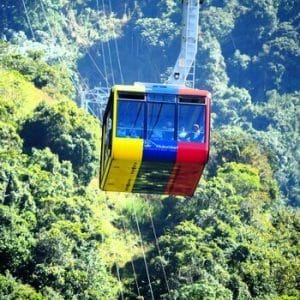 The journey begins at an altitude of 1,577 metres at the Barinitas valley station next to Plaza Las Heroínas and ends about an hour and a half later at Pico Espejo at 4,765 metres. The route is divided into four stages – particularly at altitudes above 3,000 metres, it is advisable to take short breaks at the intermediate stations. The stations are equipped with oxygen apparatus for emergencies, and medical staff are on hand.
The enormous temperature differences should not be underestimated: whilst it is a pleasant 25 to 30 °C at the valley station, temperatures at the summit are often a freezing 0 to -5 °C. A thick jacket and sturdy footwear are therefore essential! The best views are in the early morning; on particularly clear days, the view stretches from the very top down to the vast plains of the Llanos.
Mérida Cable Car: Breathtaking panoramic views of the Andes
An overview of the individual stations and stages
1. Barinitas, 1,577 metres above sea level, 25 to 30 °C
The valley station is located on the south side of the green Plaza de las HeroínasPlaza de las HeroínasThe lively Plaza de las Heroínas is situated right next to the Barinitas station of the Mukumbarí cable car. Numerous souvenir and food stalls have sprung up around it, which are popular with visitors and locals alike. This square is one of the few memorials in the country dedicated to the support given by women in the struggle for independence against the Spanish. At the centre of the square, which was inaugurated in 1977, stands a group of six bronze statues commemorating five women whose names are known (and one son). The figures depicted are:
1. Anastasia, a servant at the Convent of Santa Clara. According to legend, on the night of 17 April 1813, she caused panic amongst the Spanish troops by beating a drum and firing a shotgun. After the Spanish fled, the way was clear for Simón Bolívar's troops to enter.
2. María Simona Corredor de Pico, a widow who donated her house in June 1813 following the capture of Mérida by Bolívar's troops.
3. María Isabel Briceño Peralta de Fornés from Ejido. When the royalist troops sought to confiscate the metal organ pipes from Mérida Cathedral to cast bullets from them, she managed to replace the valuable pipes with sugar cane stalks filled with straw.
4. María Ignacia de la Santísima Trinidad Uzcátegui, who, according to tradition, used her own fortune to finance a cannon for the independence army, on which her name was engraved.
5. María del Rosario Nava, a poor woman from the El Espejo district. When her son wanted to join the patriots and broke both his arms in the process, she accompanied him. During his recovery, she carried his rifle and marched with the army through the Andes. The sixth figure is the son of María del Rosario Nava, depicted alongside his mother.. Here you’ll find the ticket offices as well as a wide range of dining options. A little highlight is the Heladería Milla: Mérida’s finest ice cream tradition since 1972Heladería Milla: Mérida's finest ice cream tradition since 1972If you're not in the mood for a flavour combination like 'black bean ice cream with smoked bacon', you've come to the right place: Heladeria Milla specialises in classic, handmade ice cream in the finest Venezuelan tradition. Generous sundaes, a wide selection of fruit and milk-based flavours, fair prices and generous portions are what make this institution so charming.
The crispy, freshly baked ice cream cones are particularly famous - simply divine! Add to that attentive service and a pleasant atmosphere that invites you to linger. Whether with the family, as a couple or on your own: Heladeria Milla is the perfect place for a sweet break.
The branch on Plaza Milla invites you to enjoy your ice cream right there or to take it for a stroll over to the leafy Plaza de Milla. A particular highlight is the branch at the Barinitas cable car station on Plaza Las Heroinas: it is housed in a converted cable car gondola from the early days of the Merida cable car, preserved true to the original. A unique setting for a unique ice cream.
-
Address: Plaza Milla (opposite Plaza de Milla), Merida
Opposite Plaza Las Heroinas (cable car station), Merida (in an old cable car gondola!)
C.C. La Esquina de Amador, Merida
Club Militar, Merida
Price: €-€€ (cheap to mid-range) , which has set up a charming ice cream parlour in an old cable car gondola. The ensemble is complemented by a small row of shops selling souvenirs and regional products, such as chocolates from Chocolates La MucuyChocolates La Mucuy – Artistry with CocoaWhat began as a small craft project in Tabay, half an hour from Mérida, has long since developed into one of the region's most renowned chocolate manufacturers. Chocolates La Mucuy stands for high-quality, artistically crafted chocolate made from 100% Venezuelan cocoa – one of the finest in the world.
The family business is now run by the third generation. Every speciality is crafted with attention to detail: from hand-painted Easter bunnies and artistically modelled pralines to creamy Mucutella, a homemade alternative to classic nut nougat cream. The elegant packaging design, with hints of the Andean landscape, underlines the high standards. Alongside classic chocolate bars in various cocoa percentages, there are pralines with surprising fillings, gift boxes in elegant packaging and seasonal specialities – particularly for Easter and Christmas.
A visit is well worth it not only for chocolate lovers, but also for anyone wishing to discover high-quality regional craftsmanship – encapsulated in a product that embodies the flavours of the Venezuelan Andes. or handmade woollens from Ruta Lana Creativa – Handicrafts made from Andean woolRuta Lana Creativa – Handicrafts made from Andean woolIn the Venezuelan Andes, where the nights are cool and the mountain air can be crisp, warm clothing is not just an accessory but a necessity. This is exactly where Ruta Lana Creativa comes in: the workshop transforms wool from sheep in the surrounding páramos into high-quality textiles – from ponchos, jackets and hats to blankets, cushions and bags, right through to tablecloths and runners. The designs are creative, colourful and patterned, and bespoke items can be made to order.
The Ruanas Rutalana® are particularly well-known: these handcrafted capes impress with their quality and attention to detail. The cushions are also available in various shapes – square, rectangular or in the form of so-called 'barriletes' – and are affectionately referred to as 'cushions with a soul'. They are crafted with care, combining different textures and a great deal of dedication.
Handy for travellers: there's a shop right next to the Barinitas cable car station – ideal for picking up a cosy companion before heading up to the chilly heights of the Sierra Nevada. – anyone looking to kit themselves out with a woollen hat and gloves will find what they’re looking for here.
On the journey of just under fifteen minutes to La Montaña station, you cross an agricultural area with sugarcane fields, coffee plantations and picturesque bamboo forests.
2. La Montaña, 2,436 metres above sea level, 16 to 18 °C
At the first stop, a café with a sun terrace invites you to linger – here you can sit outside and enjoy the view over the sugar cane fields and coffee plantations. The altitude is not yet noticeable, and the temperature remains pleasant.
On the next stage, you cross the lush green zone of the perpetually damp mountain cloud forest with its moss-covered trees, which gradually gives way to The Venezuelan PáramoThe Venezuelan PáramoIn the high altitudes of the Venezuelan Andes, between approximately 3,000 and 4,300 metres, lies the Páramo - a unique high-mountain ecosystem above the tree line. It stretches across the states of Mérida, Táchira and Trujillo and plays a central role as a water reservoir for the country. The deep, organic soils act as natural water reservoirs. They absorb rainfall and meltwater and continuously release it to the lower-lying areas. This function is essential for the water supply of Andean towns, agriculture and hydroelectric power stations.
The most characteristic plants are the Frailejones (Espeletia), a genus of the Asteraceae family comprising over 200 species. Among the best-known animal species are the spectacled bear (Tremarctos ornatus), the only bear species in South America, the Andean fox, the white-tailed deer and the Andean condor. The amphibian fauna of the páramo is highly endangered; in particular, the once common Jambato toad (Atelopus ignescens) has disappeared from large areas.
The dry season from December to April offers the most stable travel conditions. From September to October, the frailejones bloom, turning the landscape yellow. Essential kit: layered warm clothing, waterproof hiking boots, a hat, gloves, sun cream (SPF 50+) and sunglasses. Visitors are asked to stay on the paths and take their rubbish with them. towards the end.
3. La Aguada, 3,452 metres above sea level, 8 to 10 °C
At the second stop, which is already in the páramo zone, it is noticeably cooler. Several hiking trails allow visitors to explore the impressive mountain landscape, and a zipline provides entertainment for young and old alike. The ‘Chia’ restaurant offers fine dining at high altitude, whilst a café and small snack bars invite visitors to refuel.
Continuing on, you cross the Páramo zone with its Frailejones, the guardians of the Venezuelan páramoFrailejones, the guardians of the Venezuelan páramoIn the Venezuelan páramo, one encounters an otherworldly plant: the frailejón (Espeletia). With its thick, hairy stem and silvery, felt-like leaves, it is the symbol of the high Andes. The plant grows extremely slowly – only about one centimetre per year – and can live up to 400 years. Its bright yellow flowers appear mainly from October to November.
Indigenous communities regarded frailejones as sacred beings and protectors of the mountains. In Andean cosmology, they are the earthly embodiment of mountain deities. As a medicinal plant, their leaves are used for colds and wound healing.
Their ecological role is vital: they condense mist, channel water into the soil and store it – thus feeding the Andean rivers year-round. Their dead leaves also create a unique microhabitat for small organisms. Today, some species are threatened by climate change, agriculture, and habitat loss. An Andean saying goes: 'Where the frailejón dies, the water dies – and where the water dies, life dies.' and the Elfenwald – a unique, stunted forest of low trees and shrubs that are perfectly adapted to the extreme conditions.
4. Loma Redonda, 4,045 metres above sea level, 0 to 5 °C
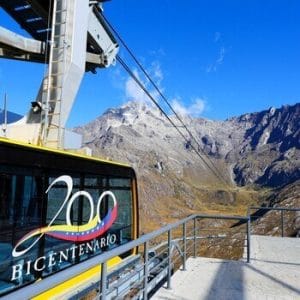 By the time you reach the Loma Redonda station in the high mountains, you’ll really start to feel how thin the air has become. So: take everything a bit slower – after all, you’re at over 4,000 metres. At the station, the usual range of food and drink awaits, including a branch of the excellent Páramo Café. Here you’ll find delicious sandwiches, sweet treats such as brownies and chocolate cake, as well as a strong Venezuelan coffee – Coffee from Mérida: more than just a pick-me-upCoffee from Mérida: more than just a pick-me-upCoffee cultivation in the high valleys around Mérida looks back on a tradition spanning over 200 years. As early as the 19th century, the region established itself as one of Venezuela's most important coffee-growing areas. Benefiting from the cool high-altitude climate, volcanic soils and ample rainfall of the Andes, the valleys around Bailadores, Tovar and the Mocoties Valley in particular developed into centres of coffee production. A hallmark of the region is traditional cultivation on smallholder farms. Here, the coffee grows in the shade of larger trees - a method that not only protects the soil and preserves biodiversity, but also leads to a slower and more aromatic ripening of the beans.
Aroma and character: A good Merida coffee has a balanced body, a lively but not overpowering acidity, and aromas of chocolate and nuts, often accompanied by a light, pleasantly fruity note. These flavour nuances are the result of the high altitude, the rich soils and the traditional processing methods..
As you leave the station, the patron saint of mountaineers, the Virgen de las Nieves (Virgin of the Snows), stands right outside the door – a popular photo spot. In the background, the Laguna Los Anteojos (Lagoon of the Spectacles), situated slightly below the station, shimmers turquoise-blue. A hiking trail leads there and invites you to enjoy a lovely excursion, immersing yourself a little in the high-Andean páramo landscape.
For those seeking a more challenging experience, the famous hike to Los Nevados: Andean hike above the cloudsLos Nevados: Andean hike above the cloudsThe village of Los Nevados, founded in 1591, lies at an altitude of over 2,700 metres in the Venezuelan Andes. It has retained its original character and is popular with mountaineers due to its proximity to Venezuela's highest peaks (Pico Bolívar, 4,978 m; Pico Humboldt, 4,940 m; Pico Bonpland, 4,880 m). The village can be reached from the Loma Redonda cable car station via a 4-5-hour hike (on foot or by horse/mule) or a 2-3-hour drive in a Rústico jeep from Mérida.
Los Nevados offers a simple infrastructure that provides a direct insight into the tranquil rhythm of Andean village life. The surrounding mountain landscape can be explored in a variety of ways: on hikes to breathtaking viewpoints, on a horse ride through the Andean valleys, or with a visit to the Muela de Trigo, the village's historic grain mill. The heart of the village is the traditional pulpería - a village shop with rustic wooden shelves that serves as a social meeting place. Peace and quiet can be found in the small main square, whilst the Sunday service is open to visitors. is highly recommended. The route, approximately twelve kilometres long, takes four to five hours on foot, but can also be covered on horseback or by mule – guides and animals (around 20 USD per animal) are available on site. The 13-kilometre route involves a descent of around 1,300 metres; experienced hikers take between four and five hours. The trail offers spectacular views of the surrounding peaks, including Pico Bolívar, and winds its way through the breathtaking páramo landscape, The Venezuelan PáramoThe Venezuelan PáramoIn the high altitudes of the Venezuelan Andes, between approximately 3,000 and 4,300 metres, lies the Páramo - a unique high-mountain ecosystem above the tree line. It stretches across the states of Mérida, Táchira and Trujillo and plays a central role as a water reservoir for the country. The deep, organic soils act as natural water reservoirs. They absorb rainfall and meltwater and continuously release it to the lower-lying areas. This function is essential for the water supply of Andean towns, agriculture and hydroelectric power stations.
The most characteristic plants are the Frailejones (Espeletia), a genus of the Asteraceae family comprising over 200 species. Among the best-known animal species are the spectacled bear (Tremarctos ornatus), the only bear species in South America, the Andean fox, the white-tailed deer and the Andean condor. The amphibian fauna of the páramo is highly endangered; in particular, the once common Jambato toad (Atelopus ignescens) has disappeared from large areas.
The dry season from December to April offers the most stable travel conditions. From September to October, the frailejones bloom, turning the landscape yellow. Essential kit: layered warm clothing, waterproof hiking boots, a hat, gloves, sun cream (SPF 50+) and sunglasses. Visitors are asked to stay on the paths and take their rubbish with them., past ancient stone walls and waterfalls. Shortly before reaching the village, you pass through a small section of woodland. The route is not technically difficult, but requires a good level of fitness due to its length, the uneven terrain and the thin air at high altitude. Be sure to use sun protection (SPF 50 or higher)!
There are several simple posadas available for overnight stays. Both the Posada Bella VistaPosada Bella VistaPosada Bella Vista
Very scenic location, with particularly good food. As the inn sits directly on the hillside, the view over the valley and the mountains is breathtaking. The price includes accommodation, breakfast, and dinner. There is a small bar at the reception, where the only television in the lodge is located, and hammocks have been set up upstairs. Horseback riding tours are offered.
-
Address: Detrás de la iglesia bajando por una escalera, Gavidia, Mérida
Price: €–€€ and the Posada GuamanchiPosada GuamanchiThis place is a real gem: tiled roofs, low-ceilinged corridors, wooden balustrades, flower beds, small, cosy rooms, plenty of blankets, fantastic showers – the water is lovely and hot and comes out with plenty of pressure – and a kitchen that opens onto the dining room. The hosts are very welcoming and cook delicious food. You'll want to stay here for as long as possible, as the service and atmosphere are very warm and welcoming.
-
Address: Calle principal, Gavidia, Mérida
Price: €-€€ have their own restaurants, and both can also arrange transfers. Complete tour packages including accommodation and transfers from Mérida are available from @losnevadosvenezuela.
The descent from Los Nevados takes place along a breathtaking mountain road. The journey, which is approximately 40 km long and takes around three hours in off-road jeeps, follows an unpaved, extremely winding and narrow gravel track. The road winds its way along steep mountain slopes with deep precipices, offering spectacular panoramic views of the valleys and the mountain range opposite.
Tip: Bring something for travel sickness for the return journey if you are prone to it. A seat up front next to the driver often offers the smoothest ride.
Anyone who has not yet experienced any discomfort from the high altitude at Loma Redonda station can confidently venture on to the final stage. A ten-minute drive takes you up into the glacial zone of the Andes. The landscape now becomes barren and surreal: hardly any plants remain, just lichens, mosses and the occasional hardy cushion plant. Rock, scree, debris and glacial moraines dominate the scene. The air becomes extremely thin – the oxygen content is only about 60 per cent compared to sea level
5. Pico Espejo, 4,765 metres above sea level, 0 to -5 °C
Once at the top, anything can be expected: from snow flurries to a brilliant blue sky and a spectacular view stretching down to the lowlands of the Llanos. Within reach rises Pico Bolívar (4,978 m) – Venezuela’s highest mountain. On the opposite side towers Pico Humboldt (4,940 m), the country’s second-highest peak. Pico Humboldt was once surrounded by a mighty glacier, which was downgraded to a mere ice field in May 2024 – its area had shrunk to less than two hectares. This makes Venezuela the first country in the world to have lost all its glaciers. A sad record that starkly illustrates the effects of climate change.
Important information for the trip
 In addition to suitable, warm clothing, good sun protection with a sun protection factor of 50 or higher is essential – UV radiation is extremely intense at high altitudes. Ascend slowly and make a point of using the intermediate stops for short breaks with some light exercise. Avoid physical overexertion and heavy meals before and during the journey. Drink plenty of fluids, such as hot chocolate, and avoid alcohol. As you gain altitude, you should take things a little easier. If you experience typical symptoms such as headaches, dizziness or nausea, stop the ascent. Oxygen is available at the stations for emergencies, and medical staff are on site. However, the safest and most effective measure remains descending – simply ride back down.
It was once the highest and longest of its kind in the world (since surpassed by China, as one might expect). Over four breathtaking stages, it soars up to the eternal peaks of the Andes. The journey begins over villages and rolling hills, leading through gorges and cloud forests – right up to well above the tree line. From the penultimate station, you can hike to the mountain village of Los Nevados: Andean hike above the cloudsLos Nevados: Andean hike above the cloudsThe village of Los Nevados, founded in 1591, lies at an altitude of over 2,700 metres in the Venezuelan Andes. It has retained its original character and is popular with mountaineers due to its proximity to Venezuela's highest peaks (Pico Bolívar, 4,978 m; Pico Humboldt, 4,940 m; Pico Bonpland, 4,880 m). The village can be reached from the Loma Redonda cable car station via a 4-5-hour hike (on foot or by horse/mule) or a 2-3-hour drive in a Rústico jeep from Mérida.
Los Nevados offers a simple infrastructure that provides a direct insight into the tranquil rhythm of Andean village life. The surrounding mountain landscape can be explored in a variety of ways: on hikes to breathtaking viewpoints, on a horse ride through the Andean valleys, or with a visit to the Muela de Trigo, the village's historic grain mill. The heart of the village is the traditional pulpería - a village shop with rustic wooden shelves that serves as a social meeting place. Peace and quiet can be found in the small main square, whilst the Sunday service is open to visitors., which also offers accommodation. Those who continue up to the mountain station are rewarded with a magnificent panorama of rocky peaks and ice. Once at the top: crisp, clear air, deep silence – an experience that stays with you forever.
Getting there and leaving
- By plane: Mérida Airport (Aeropuerto Alberto Carnevali) is notorious – short runway, difficult approaches. Following a brief, promising reopening in 2024, it is currently closed again. Those wishing to fly must therefore use the following alternatives: El Vigía Airport – Your gateway to the AndesEl Vigía Airport – Your gateway to the AndesThe modern regional airport of El Vigía (IATA code: VIG) is the most important air hub for the entire Andean region. As a practical and fast alternative to the time-consuming overland journey, it is a popular gateway to the Sierra Nevada and the colonial city of Mérida.
The airport is very conveniently located directly on the Pan-American Highway, about 70 km west of Mérida and just a few minutes from the centre of El Vigía. Taxis or hire cars will take you reliably to Mérida (approx. 1.5-hour drive). (Aeropuerto Juan Pablo Pérez Alfonso): About an hour’s drive from Mérida. Several daily connections to Caracas.
- La Fría (near San Cristóbal): A good two-and-a-half-hour drive. Rather inconvenient, with several connections per week.
- Long-distance coach (Autobús): The ‘José Antonio Paredes’ passenger terminal on Avenida Las Américas is the central coach station. From here, there are connections – some of them night buses – to all the country’s major cities (Caracas: 12 hours; Maracaibo: 5–6 hours; Barinas: 4 hours; San Cristóbal: 2–3 hours) as well as to the surrounding towns.
- By road: Mérida is connected via the Troncal 7 (Trasandina) to Valera and Barinas, and via the Autopista Rafael Caldera to San Cristóbal and the Colombian border. The roads are winding but generally in good condition.
Accommodation
In the city itself and the surrounding area, there is a wide range of posadas (rural guesthouses) and smaller hotels, which are generally relatively inexpensive and cosy.
Our recommendations
- Hotel Milla SuitesHotel Milla SuitesIf you're not looking for luxury but value well-maintained rooms and a good night's sleep, this is the place for you. This family-run hotel boasts spacious rooms, large, comfortable beds and a fantastic location right on the leafy Plaza Milla. Some rooms also offer wonderful views of the mountains. Breakfast is available on request (several options).There is an attached restaurant serving fast food - for those who fancy greasy chicken pieces - and delicious ice cream. The in-house travel agency organises tours of the surrounding area and provides straightforward, friendly assistance with booking cable car and flight tickets.
An insider tip offering excellent value for money.
-
Address: Plaza Milla, Mérida, Mérida
Price: €-€€ has everything you need. A small, centrally located city hotel with its own travel agency, fair prices, budget to mid-range.
- Posada SuizaPosada SuizaA charming colonial building with a traditional courtyard, combining history and cosiness. The owners, Ricardo and Naivy, run the place with great warmth and speak German, English and French – perfect for international guests.
The location is central, and the rooms are well-maintained and inviting. The absolute highlight: the fantastic breakfasts, which are included in the price. They also offer helpful tips and packages for excursions in the Mérida region and as far as Barinas.
-
Address: Avenida 3, between Calles 17 and 18, house no. 17-59, Mérida, Mérida , a cosy, family-run posada with a lovely courtyard and an excellent breakfast, mid-range in price.
- Posada Casa SolPosada Casa SolA luxury accommodation in a beautiful colonial building, whose original structure has been preserved: from the mosaic floors to the antique furniture and everyday objects. Everything is lovingly decorated and the rooms are furnished with equal taste.Centrally yet quietly located, just a few steps away from the city's bustling life, it is ideal for exploring Mérida on foot. Fresh avocados from the guesthouse's own garden are served for breakfast.
The posada is a member of the Circuito de Excelencia, which stands for exceptional quality and service.
-
Address: Avenida 4, between Calle 15 and Calle 16, Mérida, Mérida
Price: €€-€€€ , spacious rooms, plenty of antique furniture and almost luxurious facilities, which come at a price; mid-range to expensive.
- Hotel Sierra LindaHotel Sierra LindaA stay above the clouds: Hotel Sierra Linda is perched on a hill at an altitude of 1,950 metres and offers a breathtaking 360° panoramic view of the snow-capped peaks of the Sierra Nevada and the surrounding villages. Despite its quiet, secluded location, the hotel is an ideal base from which to explore Mérida and its natural and cultural attractions.The newly renovated cabins and suites are comfortable and tastefully furnished. Each features a fully equipped kitchen, a spacious living room, a private barbecue area and, with several sofa beds and double beds, offers ample space for families or groups. The hotel grounds also feature a restaurant, café, meeting rooms, a children's playground and organised activities such as horse riding excursions and grass skiing.
Note for drivers: The access road to the hotel is steep and requires a vehicle in very good condition as well as an experienced driver.
-
Address: Final los dos Caminos Loma Linda Sector Mucunatan Via Tabay, Mérida
Price: €€ , situated outside the town with comfortable and tastefully furnished suites and cottages, horse riding excursions, child-friendly, mid-range.
- Villa ValcoreVilla ValcoreThis exclusive posada in the El Vallecito district, just five minutes north of Mérida, offers a chalet-style ambience with high design standards. It is surrounded by a lush green garden with a stream that invites you to relax.The spacious chalets offer the utmost in comfort: a private hot tub, fireplace, fully equipped kitchen and fine materials. The accommodation includes a first-class restaurant with an Italian flair, and breakfast is à la carte. The in-house spa offers massages.
Attentive service and warm hospitality round off the luxurious overall experience.
-
Address: Avenida principal del Vallecito, Casa # 2, zona el Vallecito, Mérida, Mérida
Price: €€€ , situated on the outskirts, exclusive bungalows offering the highest level of comfort (spa and whirlpool, Italian restaurant) and attentive service. Expensive.
Food and drink
Mérida’s culinary scene has two sides. On the one hand, there are some truly delicious regional specialities: fresh trout from the mountain rivers, the warming and hearty Pisca AndinaPisca AndinaThis hearty milk soup is popular throughout the Andean region, particularly in the states of Mérida, Táchira and Trujillo. The exact ingredients vary from region to region. The basic ingredients are a broth as rich as possible, milk, egg and white, unsalted cheese. Depending on the region, potatoes or rice are then added. Pisca Andina can be eaten at any time of day, especially in the morning when temperatures in the mountains are still low. It is a good source of protein and is vegetarian. It goes well with a (wheat) arepa.
Pisca Andina recipe
Ingredients for four people: 1 l strong stock; 4 potatoes; 200 g white, unsalted cheese; 1 spring onion; 3 garlic cloves; 2 tbsp butter; 1 l whole milk; 2 sprigs of fresh coriander; salt; pepper; 4 eggs
Method: 1.) Finely dice the potatoes and cheese, chop the garlic and coriander very finely, and slice the spring onion thinly. 2.) Pour the stock over the diced potatoes and cook until the potatoes are soft, then reduce slightly. Meanwhile, sauté the spring onions and garlic. 3.) Add the milk, bring to the boil, stirring well. Add the diced cheese, spring onions and garlic. Crack the eggs, whisk them and add to the soup. Season to taste with salt and pepper, ladle into bowls and garnish with the coriander., delicate Pastelitos AndinosPastelitos AndinosThese savoury pastries are popular throughout the Andean region of Venezuela, particularly in the states of Mérida, Táchira and Trujillo. The exact filling can vary from place to place.
The basic components are a wheat pastry shell and a savoury filling made from seasoned minced meat, chicken or cheese. Depending on the region and personal preference, ingredients such as peppers, onions, raisins or olives are added to the filling.
Pastelitos Andinos are a versatile snack enjoyed at any time of day – as a hearty breakfast, a quick midday snack or evening tapas. They are typically deep-fried and served hot, often with a spicy sauce such as 'salsa picante' or 'salsa de ajo'. and hearty stews that reflect the flavours of the Andes. On the other hand, the city’s overall offering leaves room for improvement. Simple snack bars serving pizza, chicken nuggets and burgers dominate the scene. Aside from that
Our recommendations:
Food
- Restaurante Hostal MadridRestaurante Hostal MadridFor over 40 years, Hostal Madrid in Mérida has been synonymous with Mediterranean cuisine of excellent quality. The restaurant is renowned for its fresh seafood dishes and, particularly, for its paella, whose authentic flavours transport you straight to Spain. In addition to the house speciality, the menu features fillet mignon, beef fillet medallions, pasta marinera with white sauce, chicken fillet and beef carpaccio.
The atmosphere is welcoming and well-kept – one of the few establishments in Mérida that lives up to the standards of a proper restaurant. The service could sometimes be a little more attentive and efficient to better match the excellent standard of the cuisine. The fresh juices are highly recommended, and the wine selection is good, perfectly complementing the culinary offerings.
-
Address: Calle 23 between Avenidas 7 and 8, Mérida 5101, Mérida, Venezuela
*Speciality: Seafood paella
*Prices: €€ - Despite the odd quirk here and there: highly recommended , good Spanish cuisine, mid-range prices.
- Caprara PizzeriaCaprara PizzeriaA treat for all lovers of Italian cuisine: Pizzeria Caprara, with two branches in Mérida, is renowned for its excellent pizzas and Italian dishes. Alongside the hearty specialities, the desserts are particularly worth recommending. The service is also first-rate.
-
Address: C.C. Rodeo Plaza, 4th floor, Mérida
Address: Tassone Industrial Estate, Avenida Los Próceres, Mérida
Price: €€ , delicious pizzas with thin (!) bases, desserts, mid-range.
- Pizzeria El Mundo de los Quesos: 35 years of pizza tradition in MéridaPizzeria El Mundo de los Quesos: 35 years of pizza tradition in MéridaHardly any other place in Mérida combines tradition and conviviality quite like Pizzeria El Mundo de los Quesos. For 35 years, this restaurant has been a firm fixture and a part of Mérida's culture. If you believe the locals, this is where the best pizza in town is served.
The bases are thin and crispy, the toppings generous, and they don't skimp on the cheese. The value for money is excellent; a family-sized pizza easily serves three people (non-Venezuelans).
The cosy, wood-panelled interior creates a warm atmosphere that invites you to linger. The place is always busy, and the service is consistently attentive and friendly.
-
Address: Plaza de Milla, Mérida - Venezuela
Opening hours: Daily from 12:00 to 22:00
Special feature: Payment is made before eating
Prices: €-€€ , rustic décor, crispy thin-crust pizzas, mid-range.
- Caprara PizzeriaCaprara PizzeriaA treat for all lovers of Italian cuisine: Pizzeria Caprara, with two branches in Mérida, is renowned for its excellent pizzas and Italian dishes. Alongside the hearty specialities, the desserts are particularly worth recommending. The service is also first-rate.
-
Address: C.C. Rodeo Plaza, 4th floor, Mérida
Address: Tassone Industrial Estate, Avenida Los Próceres, Mérida
Price: €€ , small, charming restaurant, authentic Mexican cuisine, mid-range prices.
- Restaurants in the Mercado MunicipalRestaurants in the Mercado MunicipalOn the top floor of the Mercado Municipal, four or five small eateries vie for the favour of diners. All of them, of course, serve the best breakfast in town with arepas de trigo, a succulent perico (scrambled eggs with plenty of tomato and coriander), perfectly grilled queso a la plancha (grilled cheese) that melts inside without falling apart, thick fresh nata (sour cream) and incomparable caraotas (black beans). This is accompanied by a thick blackberry juice that isn't too sweet.The market kitchens are renowned for their various trout dishes - freshly caught from the clear streams and rivers of the surrounding area. The trout is prepared here in a variety of ways: a la plancha (grilled), al ajillo (in garlic), with mushrooms or in other traditional styles. Here you can taste what makes the region special.-
Address: Mercado Municipal, Avenida 4 between Calles 16 and 17, Mérida
Opening hours: Tuesday to Sunday, 7.30 am - 5.00 pm
Prices: €, simple breakfast and lunch restaurants, speciality: trout, cheap to mid-range.
- Chipen Bar-RestaurantChipen Bar-RestaurantA restaurant that certainly doesn't lack character. Chipen has been run by mother and daughter for over 60 years - right in the heart of Merida. Angelica and Maria Ines serve lunch dishes, seafood specialities and paella made to order. All at extremely reasonable prices. The place is reminiscent of the old tascas in La Candelaria in Caracas - full of charm, a bit rustic and full of soul. In short: the food here is very, very good.
-
Address: Avenida 5 and Calle 24, Merida
Special feature: You pay before your meal.
Prices: €-€€ , a local institution in the centre of Mérida, excellent home-style cooking and seafood, cheap to mid-range.
- La Sazón de ChalitaLa Sazón de ChalitaHere you can find authentic home-style cooking at reasonable prices: asado negro, pork chop, fried chicken, churrasco with the classic sides of rice, coleslaw and tostones. The portions are generous.
The lunch menu consists of soup and a main course, served with a freshly squeezed juice and finished off with a cafetinto - all from five US dollars. Friendly service, pleasant and clean atmosphere.
-
Address: Via El Valle - La Culata, La Vuelta de Lola, Merida
Price: €, home-style cooking at reasonable prices, cheap.
- Chía Restobar: excellent Andean cuisine with spectacular viewsChía Restobar: excellent Andean cuisine with spectacular viewsFine dining in a prime location: Chía Gastrobar at the Montaña cable car station offers modern Venezuelan cuisine with spectacular views. In 2024, Chía became the first restaurant ever to receive an award from the Venezuelan Ministry of Tourism for the highest standards and excellent service.The restaurant's name says it all and tells an ancient legend: Chía, the indigenous goddess of the moon and mother of Caribay, is said to have transformed the five white eagles that came down from the sky into the snow-capped peaks of the Sierra Nevada. The location in the heart of the national park is unique: from the terrace, the view sweeps across the impressive mountain landscape.The cuisine delights with exquisite specialities. You simply must try the legendary Pastelitos andinos or the Polverosa de pollo here. But sourdough bread, Ceviche de Robalo, Arepitas de Chicarrón, stuffed Pañota and a selection of cocktails are also on the menu. An experience that delights all the senses.
-
Address: Estación Montaña, Mucumbarí cable car, Mérida
Award: National Tourism Award 2024
Price: €€-€€€ , upmarket cuisine at the ‘Montaña’ cable car station, on the pricey side.
- La Capellanía CaféLa Capellanía CaféIn Mérida, there are places where you eat. And there are places where you can taste the soul of a region. One of them is La Capellanía Café in the Centro Comercial Alto Prado.This is where Teo Zurita cooks – a chef who not only hails from Mérida, but also carries Mérida within every dish he creates. For 23 years, he has been transforming the local fruit and vegetables into culinary delights at his restaurant. His ingredients stem from his own family history: Teo grew up in La Capellanía, his parents' farm in Bailadores, which has been growing fruit and vegetables for almost 50 years. What ends up on the plate is genuine 'Kilometro Cero' (zero kilometre) – not a marketing promise, but a living connection to his roots.The cuisine is refined without being overloaded. The pappardelle with ragu is a delight, the beef tartare a composition of textures and flavours that lingers long after the meal. For dessert, the banana bread with tonka bean ice cream and strawberry jam is a real treat. And for those who prefer something refreshing: the sugar-free mojito is one of the best signature cocktails in the city.In 2024, Teo Zurita received a double honour: the Premio Armando Scannone from the Academia Venezolana de Gastronomia – an award for those who have rendered outstanding service to the promotion of Venezuelan food, recipes and traditions – as well as the Sol de Carabobo Gastronomico in the category 'Promotion of local produce from Merida'. Anyone who knows him knows this: Teo doesn't claim to be a great chef himself. It's the people who eat at his restaurant who say so. And they keep coming back.
-
Address: C.C. Alto Prado, Level 1, Unit 29, Merida
Opening hours: Wednesdays to Saturdays, 6 pm to midnight , sophisticated fine dining without being over the top, reasonably priced.
In between
- En Alturas Café Bistro BarEn Alturas Café Bistro BarNestled in the heart of Mérida's bustling city centre, this is the perfect spot for a leisurely breakfast, a coffee, cocktails and good conversation. They serve coffee from the surrounding highlands, processed using traditional methods – and you can really taste the difference.
Warm lighting and great attention to detail make this place so cosy that you can easily lose yourself in a good book here. In the evenings, there's often live music and the café transforms into a cool cocktail bar.
A perfect atmosphere both day and night, speedy service and spotlessly clean premises – including the loo – make En Alturas the go-to spot in the centre of Mérida.
-
Address: Avenida 4 Bolívar, between Calles 23 and 24, Edif. Hermes, Local 1, Mérida
Special feature: Occasional live music and DJs in the evenings
Price: €€ , cosy café in the centre, ideal for coffee and cake or a light snack, mid-range.
- Terra Nova Coffee: From the source to your cupTerra Nova Coffee: From the source to your cup'From the source to your cup' is this café's motto. Here, guests can actually experience every stage of the coffee-making process. The speciality is honey coffee, where a special drying process creates a sweet and full-bodied cup.
The café is run by a couple who love their work. The menu offers everything your heart desires, from breakfast to burgers and desserts – prepared with care and served with a smile.
-
Address: Piso 4, C.C Rodeo Plaza, Avenida Las Américas, Mérida
Special feature: Honey Coffee, insight into coffee production
Prices: €€-€€€ , trendy espresso bar in the Rodeo Plaza shopping centre, mid-range.
- Naturalis YogurteríaNaturalis YogurteríaIn Mérida, there's a place for anyone who loves creamy, natural and utterly tempting desserts: Naturalis Yogurtería. Here, it's all about yoghurt: whether as a refreshing yoghurt ice lolly, with or without fruit, as plain natural yoghurt with muesli, or as a generously filled, sweet cup. The ingredients used include fresh fruit, nuts, syrup, dried fruit, whipped cream and much more.
Opening hours: Monday to Saturday, 8 am - 6 pm
-
Address: (At three locations in the city) - Calle 16 between Avenidas 4 and 5 (Centro), Mérida
Avenida las Américas on the corner of the main avenue El Llanito, next to La Nota, Mérida
Avenida Bolívar, opposite the Liceo Caracciolo Parra (La Parroquia), Mérida , a small shop offering homemade natural yoghurt, with fruit or muesli. Also available as ice cream – delicious! Moderate.
Heladería Milla: Mérida’s finest ice cream tradition since 1972Heladería Milla: Mérida's finest ice cream tradition since 1972If you're not in the mood for a flavour combination like 'black bean ice cream with smoked bacon', you've come to the right place: Heladeria Milla specialises in classic, handmade ice cream in the finest Venezuelan tradition. Generous sundaes, a wide selection of fruit and milk-based flavours, fair prices and generous portions are what make this institution so charming.
The crispy, freshly baked ice cream cones are particularly famous - simply divine! Add to that attentive service and a pleasant atmosphere that invites you to linger. Whether with the family, as a couple or on your own: Heladeria Milla is the perfect place for a sweet break.
The branch on Plaza Milla invites you to enjoy your ice cream right there or to take it for a stroll over to the leafy Plaza de Milla. A particular highlight is the branch at the Barinitas cable car station on Plaza Las Heroinas: it is housed in a converted cable car gondola from the early days of the Merida cable car, preserved true to the original. A unique setting for a unique ice cream.
-
Address: Plaza Milla (opposite Plaza de Milla), Merida
Opposite Plaza Las Heroinas (cable car station), Merida (in an old cable car gondola!)
C.C. La Esquina de Amador, Merida
Club Militar, Merida
Price: €-€€ (cheap to mid-range) , delicious ice cream without all the fuss, cheap to mid-range.
- Heladería CoromotoHeladería Coromoto: World-record-breaking ice cream with unusual flavours in MéridaWhat flavour of ice cream would you like today? Raspberry, chocolate - or perhaps garlic, tuna or spaghetti with chicken? This is the question guests at Heladería Coromoto in Mérida, Venezuela, ask themselves every day. Founded in 1981 by Portuguese immigrant Manuel da Silva Oliveira, the ice cream parlour made it into the Guinness Book of Records back in the 1990s - with 870 flavours on offer at the time. Today, the family carries on the legacy and offers over 1,000 varieties, although only around 50 of these are available for sale each day.
The flavours have mysterious names such as 'Tears of Love', 'Jurassic Park', 'Goodnight' or 'Tourist'. Alongside quirky creations like garlic, tuna or white sausage and sauerkraut ice cream, there are also classics such as chocolate or avocado.
Please note: It often gets very busy, particularly in the afternoons, and you should expect long queues. Prices are on the high side, and the quality of the ice cream itself is described by connoisseurs as mediocre - a visit here is more of a curiosity than a culinary experience.
-
Address: Calle 29 Zea (between Avenida 4 and 5), Mérida
Special feature: Over 1,000 ice cream varieties (world record) with quirky flavours
Prices: €€-€€€ , which features in the Guinness Book of Records with over a thousand flavours, including avocado, black beans and bacon, is rather pricey.
Nightlife
- Garage Rock BarGarage Rock Bar – Mérida's hotspot for rock and nightlifeThe Garage Rock Bar is a fixture on Mérida's nightlife scene. It's the go-to spot for rock music fans who appreciate live music in a cool atmosphere.
The stage offers local talent in particular the chance to shine in front of an appreciative audience. And, of course, an excellent Queen tribute band – we are in Venezuela, after all – is a must. The acoustics are superb and the layout of the room ensures a perfect view of the stage. It's loud, but you can still have a chat – the perfect place for an entertaining evening with friends.
-
Address: C.C. Villa Los Choros, Av. Principal de Los Chorros de Milla, Mérida
Opening hours: Thursdays to Saturdays, 6 pm – 1 am (kitchen also open, concerts start around 9.45 pm)
Prices: €-€€ , the (!) venue in Mérida for the younger crowd, frequent live concerts, excellent acoustics, affordable to mid-range.
- Birosca CariocaBirosca Carioca – Mérida's legendary hotspot for music and nightlifeFor decades, the Birosca Carioca has been a fixture on Mérida's nightlife scene. This historic venue is regarded as a legendary meeting place for the alternative scene and has retained its unconventional charm over the years. The Birosca attracts, above all, those who value good music and an authentic atmosphere.
The music played is predominantly salsa, with regular live concerts by regional and national stars. A special experience that will leave a lasting impression.
-
Address: Calle 24 between Avenidas 2 and 3, Mérida
Opening hours: Thursdays to Saturdays, 5 pm–3 am
Special features: live music, salsa, alternative scene
Prices: €-€€ , a bit more of a bohemian and alternative scene; alongside rumba and salsa, they also play electro, salsa and ska, mid-range.
- Mito BrewhouseMito Brewhouse – Craft beer from the AndesSince 2011, the independent microbrewery Mito has been brewing a range of characterful craft beers – brewed in stainless steel kettles with precise temperature control and exact pressure. The range includes, amongst others, a Bohemian Pilsner, a pure, clear beer with precise bitterness and a dry finish; the Sayona Red Ale, a red ale creation inspired by the Venezuelan legend of Sayona, brewed with regional grains; and the Candileja Dubbel de Abadía, a dark abbey beer with notes of caramel and roasted malt, named after the fire spirit of Venezuelan mythology.
The quality speaks for itself: Mito Brewhouse has already been honoured with three international awards and a Golden Fork as a national accolade. If you appreciate craft beer with a regional soul and a touch of mythology, this is the place for you.
-
Address: Avenida Los Próceres, Los Andes industrial estate, warehouse no. 9, Mérida
Opening hours: daily 4 pm – 1 am , a small local craft beer brewery, cosy with an outdoor terrace, mid-range.
Shopping
The Mercado PrincipalMercado Principal de MéridaOn the bustling Avenida Las Américas, on the edge of the city centre, lies the Mercado Principal – also known as the Mercado Municipal – the city's largest market. The strikingly colourful façade of this iconic building, which was redesigned in 2023 and has been the subject of much controversy, is truly iconic. It is the only market in the country that is privately managed by a owners' association – rather than by the local council. Its extensive range of goods is unique, making a visit a must.
On the ground floor (level 1), the market bustles with stalls selling fresh fruit, vegetables and herbs from the páramos. Here you'll find local specialities such as smoked trout, mild goat's cheese, aromatic herbs and fragrant Andean coffee. There are also typical sweets such as dulce de leche made from goat's milk, stuffed figs (higos rellenos), sweets and brightly coloured lollipops. Small cafés invite you in for breakfast – try the famous Pastelitos Andinos and wash them down with a refreshing Chicha Andina or a strong 'Levantón Andino' (coffee with schnapps) to ward off the morning chill.
The second floor is a treasure trove for souvenir hunters: here you'll find a row of shops selling hand-woven textiles, warm woollen jumpers, comfortable alpargatas (raffia shoes) and colourful hammocks. The selection of local handicrafts is excellent – at prices that are just a fraction of what you'd pay in Caracas.
The third floor is the culinary and artistic highlight: in a large communal dining hall served by six kitchens, you are greeted by a chorus of '¡A la orden!' ('at your service'). Here you can enjoy the best Criollo cuisine: hearty, generous and authentic. You simply must try the various trout dishes. Also on this floor are studios displaying works by local artists, as well as shops selling typical Andean clothing such as ponchos and knitted hats.
-
Address: Avenida Las Américas at Viaducto Miranda, Parroquia Mariano Picón Sálas, Mérida. is an absolute must-see. The other, much older markets – the flower market Mercado de las FloresMercado de las FloresSunflowers, anthuriums and birds-of-paradise come from the Valle del Mocotíes and the Páramo - roses, gerberas and lilies are fresh, colourful and fragrant at the flower market on Avenida Mariano Picón. Here, several families practise their craft, which they have been passing down from generation to generation for four decades. Bouquets of every variety are on offer: small and huge, simple or luxurious, arranged diagonally, in parallel, in a fan shape or as a 'Cachicamo'.
Floristry is an important economic sector in the region, providing a livelihood for farmers and traders alike. The six stalls opposite the Mercado Periférico on Calle 39 are a colourful attraction, particularly on holidays such as Valentine's Day, Mother's Day or All Saints' Day., the Mercado TatuyMercado Tatuy – Tradition with historyIn the heart of Mérida lies the Mercado Tatuy – a small, traditional market with a character all of its own. Here, the former traders of the old Mercado Principal, which fell victim to a fire in 1987, sell their wares. At the time, some traders refused to move to the new market and instead founded this lovingly run alternative. The market captivates with its peaceful, welcoming atmosphere. The scent of fresh herbs wafts through the aisles, and the traders greet visitors with a warmth and openness that make shopping a pleasure.
-
Address: Calle 20 between Avenida 1 and 2, Parroquia Milla, Mérida, and the Mercado PeriféricoMercado PeriféricoThe Mercado Periférico Municipal opened in 1954 and is run by the municipality of Mérida. With its spacious halls and high, vaulted ceilings, it is an architectural gem of its time that has been preserved to this day.
Over 60 stalls are mostly run by the founding families, now in their second or third generation. The range includes fresh produce from Mucuchies, Chachopo and Bailadores, top-quality meat from Santa Barbara del Zulia, and fresh fish and seafood with no middlemen - here you'll find the best quality in the city. There are also herbs, natural remedies and handicrafts.
The market is also a culinary highlight: three cafes and, on the upper floor, eight kitchens with a communal dining area for almost 300 people invite you to linger. The fosforera (fish soup) here is considered the best in the city. The restaurants are open daily from 11am to 4pm, and until 1pm on Wednesdays and Sundays.
-
Address: Calle 39 and Avenida Gonzalo Picon, Parroquia Milla, opposite the Mercado de las Flores, Merida
Opening hours: daily 7 am - 5 pm, Wednesdays and Sundays only until 1 pm also have their own charm.
Mérida is famous for its aromatic highland coffee; top spots include the Mucucay ProjectMucucay Project – Café y CienciaAn award-winning speciality coffee project from Mérida that combines tradition with cutting-edge science. The focus is on producing top-quality coffees (including Bourbon Rosado and Wush Wush) at extreme altitudes of up to 2,020 metres.
The project runs Venezuela's first certified coffee laboratory. The coffees have won several international awards, including three medals at the AVPA competition in Paris (2022-2023) and participation in Singapore Coffee Week 2025.
Please note: The finca is an agricultural and scientific enterprise. There is no public café on site. A visit is therefore not readily possible for tourists.
Purchasing the coffees: The award-winning coffees can be purchased via the official website. and Café DeleiteeCafé Deleitee – Andean coffee in its purest formIn the La Parroquia district, just one street away from Plaza Bolívar, lies Café Deleitee - an excellent destination for lovers of high-quality Andean coffee. Here, only hand-picked beans from the highlands around Mérida are roasted and served.
In addition to various roasts, the café offers a small but exquisite selection of coffee specialities produced in-house. Those wishing to delve deeper into the world of coffee can take part in the coffee tours on offer.
Café Deleitee is part of the Ruta del Café, an initiative dedicated to the preservation and appreciation of local coffee. Owner David Jaramillo supports the project as a sponsor.
-
Address: Avenida Principal de La Parroquia, one street away from Plaza Bolívar, Mérida . Another speciality is the cocoa from the ‘Sur del Lago’ region, from which Chocolates La MucuyChocolates La Mucuy – Artistry with CocoaWhat began as a small craft project in Tabay, half an hour from Mérida, has long since developed into one of the region's most renowned chocolate manufacturers. Chocolates La Mucuy stands for high-quality, artistically crafted chocolate made from 100% Venezuelan cocoa – one of the finest in the world.
The family business is now run by the third generation. Every speciality is crafted with attention to detail: from hand-painted Easter bunnies and artistically modelled pralines to creamy Mucutella, a homemade alternative to classic nut nougat cream. The elegant packaging design, with hints of the Andean landscape, underlines the high standards. Alongside classic chocolate bars in various cocoa percentages, there are pralines with surprising fillings, gift boxes in elegant packaging and seasonal specialities – particularly for Easter and Christmas.
A visit is well worth it not only for chocolate lovers, but also for anyone wishing to discover high-quality regional craftsmanship – encapsulated in a product that embodies the flavours of the Venezuelan Andes. handcrafts high-quality chocolates and pralines. The latter, like Ruta Lana CreativaRuta Lana Creativa – Handicrafts made from Andean woolIn the Venezuelan Andes, where the nights are cool and the mountain air can be crisp, warm clothing is not just an accessory but a necessity. This is exactly where Ruta Lana Creativa comes in: the workshop transforms wool from sheep in the surrounding páramos into high-quality textiles – from ponchos, jackets and hats to blankets, cushions and bags, right through to tablecloths and runners. The designs are creative, colourful and patterned, and bespoke items can be made to order.
The Ruanas Rutalana® are particularly well-known: these handcrafted capes impress with their quality and attention to detail. The cushions are also available in various shapes – square, rectangular or in the form of so-called 'barriletes' – and are affectionately referred to as 'cushions with a soul'. They are crafted with care, combining different textures and a great deal of dedication.
Handy for travellers: there's a shop right next to the Barinitas cable car station – ideal for picking up a cosy companion before heading up to the chilly heights of the Sierra Nevada. , which offers colourful, patterned, hand-woven woollen fabrics and clothing, has a small tienda at the “Barinitas” cable car station (valley station).
City guides and organised tours
- Agency MillaAgency MillaIf you're not looking for luxury but value well-maintained rooms and a good night's sleep, this is the place for you. This family-run hotel boasts spacious rooms, large, comfortable beds and a fantastic location right on the leafy Plaza Milla. Some rooms also offer wonderful views of the mountains. Breakfast is available on request (several options).
There is an attached restaurant serving fast food - for those who fancy greasy chicken pieces - and delicious ice cream. The in-house travel agency organises tours of the surrounding area and provides straightforward, friendly assistance with booking cable car and flight tickets.
An insider tip offering excellent value for money.
-
Address: Plaza Milla, Mérida, Mérida
Price: €-€€ , a knowledgeable and friendly travel agency, fair prices.
- Estatuas de MéridaEstatuas de MéridaMérida is a city steeped in history - and that is precisely the theme of the guided tours organised by Estatuas de Mérida. The project was launched by Samuel, a young historian and gifted storyteller who is committed to preserving the city's ancient statues. For him, these monuments are not merely works of art, but living witnesses to the city's history. Together with his team - students of history, art and architecture - he shows visitors his very own personal take on Mérida.
Depending on your interests, the tour can take many different forms: a stroll through the colonial centre with an architecture student who knows the winding alleyways like the back of his hand; a visit to one of the small markets with an expert in Andean cuisine; or a discovery tour leading from Plaza Bolívar to the Chorros de Milla waterfalls - with detours to places not found in any guidebook, not even this one.
Groups are deliberately kept small, usually comprising six to eight people, so there's plenty of scope for questions, anecdotes and personal moments.
Please note: The tours are conducted in Spanish. A limited number of guides also speak English. It's best to contact Samuel's team a few days in advance, as places are often snapped up quickly. , city tours focusing on history.
- Rostros de MéridaRostros de MéridaRostros de Mérida
Mérida is a city with many faces – and that is precisely the motto of the walking tours offered by Rostros de Mérida. As the name suggests (Rostros = Faces), they focus on a personal approach to the city. The guides are not professional tour guides but artists, craftspeople, musicians, or market vendors who show visitors their very own Mérida. This opens doors that would otherwise remain closed and gives the city a human face.
Depending on your interests, each tour can take a different form – a walk through the numerous murals that turn Mérida's streets into an open-air gallery, a culinary tour with a dulcera (sweet-maker) through the market, a historical walk with an architecture student through the colonial center, or a discovery tour of the nightlife in the Barrio Pueblo Nuevo.
Groups are kept deliberately small, usually six to eight people, leaving room for questions and conversation. Many tours end at a spot that no guidebook mentions – a hidden arepera, a small workshop, or a viewpoint known only to locals.
Note: Tours are offered in Spanish. Upon request, some guides can also lead in English. It is best to contact the team a few days in advance, as tours often book up quickly. , guided tours led by artisans, market traders, artists or musicians – diverse perspectives on the city of Mérida.
- Ruta del CaféRuta del Café: In the footsteps of Andean coffeeRuta del Café - Mérida Chevere organises bespoke tours to the region's traditional coffee-growing areas - to the Valle del Mocotíes, to Bailadores, where coffee is still grown using smallholder farming methods, and to the slopes around Mérida with their spectacular views of the Sierra Nevada. Depending on the season, visitors can take part in the harvest (August to January) and learn about traditional processing methods. Along the way, they meet the families behind the products.
As a rule, the tours are combined with other experiences: hikes through cloud forests and páramos, visits to confectionery workshops, and stops at traditional inns serving Andean cuisine.
Please note: Tours are conducted in Spanish and can be tailored to the group's specific interests. It is best to book a few days in advance.
-
Address: Avenida Principal de la Milagrosa, Pasaje Los Molinos, Casa No. 1-56, Mérida , bespoke coffee tours of the surrounding area, often combined with hikes.
- Parapente Tierra NegraParapente Tierra Negra – Your therapy at 500 metresSome answers aren't found on the sofa, but in the air. Because you might not be able to buy happiness - but you can buy a paragliding flight. And that comes pretty damn close to the feeling.
Tierra Negra is an internationally renowned spot for paragliding. Thanks to the stable wind and weather conditions, you can fly here almost all year round, whether alone or in a tandem flight. The take-off is at around 1,600 metres, with the landing in the Rio Chama valley at approximately 1,100 metres.
With 28 years of experience and FAM-certified pilots, safety is the top priority at Parapente Tierra Negra - whether you're booking a tandem flight or want to take a course. Everything is organised from take-off to landing, at fair prices.
Experience breathtaking views over Merida, a pure adrenaline rush and a sense of freedom you won't forget in a hurry. , paragliding flights solo or in tandem.
Criollo Travel will take you to Mérida – check it out here -> Bocado Uchuva
Surroundings
- Mario Humberto LopezMario Humberto LopezMérida is a city that you must not only visit, but also learn to see. Mario Humberto López is a chronicler of everyday life, and his photographs and videos are an authentic, artistic documentation of life. With his camera, he captures moments that often go unnoticed: the warm light on colonial façades, the gestures of market traders, the silence of the Páramo in the morning mist, or the vibrant colours of the Christmas traditions for which Mérida is renowned far beyond Venezuela's borders.
If you'd like to discover a slightly different, authentic perspective on Mérida, his photos and videos come highly recommended. If you're lucky, you might even bump into him out and about with his camera. chronicles everyday life through his photos and videos.
- Excursions in the surrounding area
Mérida is the perfect starting point for tours into the Andes. Here is a selection:
- Valle de San Javier and La CulataValle de San Javier and La Culata: mountain air and a hiker's paradiseNorth-east of Mérida, in the village of San Benito, an impressive panoramic road branches off from the Trasandina and leads into the green Valle de San Javier, which extends up to the Páramo La Culata at an altitude of over 3,000 metres. The region is a paradise for nature lovers and offers spectacular hikes through the mystical Bosque Sagrado or the unique high moorland landscape of the Páramo La Culata. A special experience is a visit to the Casa del Colibri, where hummingbirds flit silently around you.
Along the route, family-run businesses offer homemade jams and fresh 'Fresas con Crema' (strawberries with cream). The tourist infrastructure follows a sustainable approach with charming, privately run accommodation.
-
*Tip: The valley is ideal for a day trip from Mérida, including a hike. For a longer stay in the tranquillity of the mountains, booking accommodation in advance is recommended. The drive is winding and offers magnificent views of the Sierra Nevada.: Hike amongst strange plants and the clouds. Don’t miss: the Casa del Colibrí (hummingbird sanctuary) and the Bosque Sagrado (a ‘sacred forest’ with art installations).
- Pueblos del SurThe Pueblos del Sur: Authentic Andean life in the mountainsSouth of Mérida lie the secluded villages of El Morro, San José de Acequias, Mucutuy, Aricagua and Chacantá, collectively known as the Pueblos del Sur. The region is ideal for activities such as trekking and birdwatching in unspoilt nature and offers insights into local crafts, such as traditional leather bag-making in Mucutuy. The spectacular, winding approach is particularly popular with motorcyclists due to its challenging route. Overall, the villages offer an authentic glimpse into rural life in the Venezuelan Andes.
Life in the Pueblos del Sur is characterised by traditional agriculture, with high-quality shade-grown coffee, sugarcane for panela (unrefined, dried sugarcane juice) and small-scale subsistence farming. The tourist infrastructure is basic and follows the concept of 'Turismo de Pueblos'. There is basic accommodation (mucuposadas) as well as small shops and eateries in the larger villages.
*Tip: The villages are suitable for day trips from Mérida, but advance planning is essential for a stay of several days. : A string of small, traditional villages south of Mérida – each with its own character.
- Day trip to MucuchíesMucuchíes: An ideal stop on the Andean routeSituated at an altitude of around 3,000 metres, the village is one of the most famous stops along the Trasandina route. Mucuchíes charms visitors with its picturesque narrow streets and distinctive architecture - including the medieval-style Hotel Castillo San Ignazio at the entrance to the village. Also worth seeing is the Iglesia de Santa Lucía (1887) on Plaza Bolívar. For a typical Andean meal, it's well worth a visit to the family-run restaurant La Toscana - a culinary institution since 1963.
The surrounding area is home to several national parks as well as the Aguas Termales La Musui, a popular destination for day trips. For accommodation with panoramic views, the Balcones de la Musui is an excellent choice. Of historical significance is the Monumento al Perro Nevado, situated on the left-hand side of the Trasandina road when coming from Mérida. It commemorates Simón Bolívar's faithful four-legged companion - a dog of the Mucuchíes breed, traditionally used as tireless herding dogs in the Venezuelan Andes and officially declared Venezuela's national dog in 1964. The name of the breed and the region derives from the indigenous language: from the words 'Mucu' (place) and 'Chía', the goddess of the moon.
Mucuchíes is ideal as a stopover on the Andean route, for nature and hiking activities, and for travellers interested in culture and architecture., ApartaderosApartaderos – A practical base in the heart of the AndesApartaderos, situated at an altitude of around 3,300 metres, is a hub for any traveller in the Andes. The place presents itself less as an idyllic mountain village and more as a functional roadside town along the legendary Trasandina. Here you will find all the essential amenities for continuing your journey, including a petrol station.
There are several simple lodgings, often equipped with heating and plenty of woollen blankets (as temperatures can drop below freezing at night), as well as large souvenir shops selling typical Andean products and rustic restaurants. A particularly popular and unmissable stop is Embutidos El Águila, where excellent homemade sausage and cheese specialities can be sampled and purchased right by the roadside.
The real fascination, however, lies in the breathtaking high-mountain surroundings. Nestled within the unique vegetation of the páramo and situated at the watershed of three major valleys, the landscape around Apartaderos offers a rugged beauty. From here, trips to the nearby Llano del Hato National Observatory are a must for night-time stargazing in crystal-clear air. At the same time, the village serves as an ideal starting point for trekking tours. For ambitious mountaineers and hikers, the Escuela de Montaña Sagarmatha offers not only organisation and guidance, but also its own accommodation facilities.
- Llano del Hato National Astronomical ObservatoryLlano del Hato National Astronomical ObservatoryThis observatory, beautifully situated in the Andes, comes highly recommended for anyone fascinated by the mysteries of the universe: the Observatorio Astronómico Nacional de Llano del Hato, often simply referred to as the Astrofísico de Mérida. Situated at an altitude of 3,600 metres in the Venezuelan Andes, it is one of the highest observatories in the world. Its unique location near the equator offers a rare view of the skies of both hemispheres, the Northern and Southern Hemispheres.
A real highlight is the technical equipment: the observatory has four domes housing historic and high-precision telescopes, including a large refractor (65 cm aperture) and a reflector (1 metre diameter) – both instruments from the renowned German firm Carl Zeiss. The absolute highlight is a night-time observation tour. When darkness falls over the Andes and the sky above you glows with a breathtaking sea of stars, you’ll forget for a moment the thin, clear mountain air. Looking through the gigantic telescopes and seeing Saturn’s rings or Jupiter with your own eyes is an unforgettable feeling. Temperatures drop to between 5 and 12 degrees at night – so be sure to pack warm clothes!
-
Address: Llano del Hato, Via Apartaderos-Puerto Nuevo, Mérida
Opening hours: Thursday to Saturday, 3 pm – 7 pm (no entry after 7 pm) (one of the largest observatories in South America)
- Jeep ride to the picturesque mountain village of Los NevadosLos Nevados: Andean hike above the cloudsThe village of Los Nevados, founded in 1591, lies at an altitude of over 2,700 metres in the Venezuelan Andes. It has retained its original character and is popular with mountaineers due to its proximity to Venezuela's highest peaks (Pico Bolívar, 4,978 m; Pico Humboldt, 4,940 m; Pico Bonpland, 4,880 m). The village can be reached from the Loma Redonda cable car station via a 4-5-hour hike (on foot or by horse/mule) or a 2-3-hour drive in a Rústico jeep from Mérida.
Los Nevados offers a simple infrastructure that provides a direct insight into the tranquil rhythm of Andean village life. The surrounding mountain landscape can be explored in a variety of ways: on hikes to breathtaking viewpoints, on a horse ride through the Andean valleys, or with a visit to the Muela de Trigo, the village's historic grain mill. The heart of the village is the traditional pulpería - a village shop with rustic wooden shelves that serves as a social meeting place. Peace and quiet can be found in the small main square, whilst the Sunday service is open to visitors..
Practical tips
- Safety: Mérida is safer than many other Venezuelan cities, but as always: do not display valuables, and avoid quieter neighbourhoods at night.
- Weather: Mild, but the sun is stronger at an altitude of 1,600 metres – don’t forget sun cream and a hat. It gets chilly in the evenings (pack a jumper or jacket).
In conclusion: Mérida is a laid-back, green university town with colonial charm, and an excellent base for adventures in the Andes. Anyone who manages to catch the cable car or finds a jeep to Los Nevados will be treated to unforgettable views. The somewhat arduous journey there is well worth it.

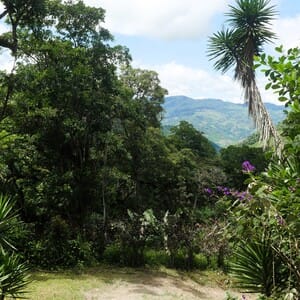
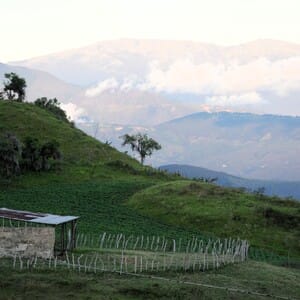
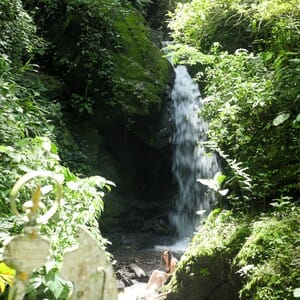
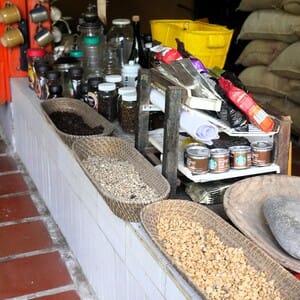
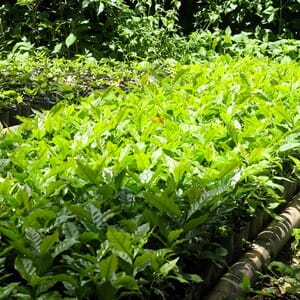
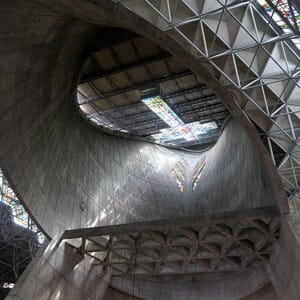
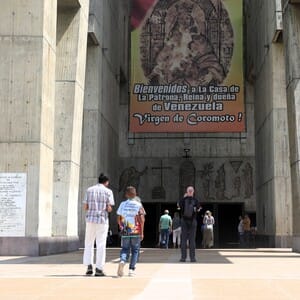
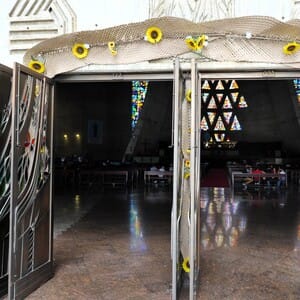
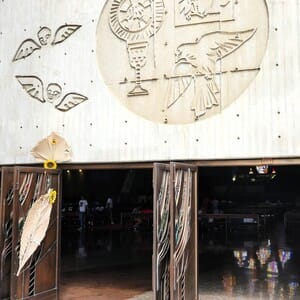
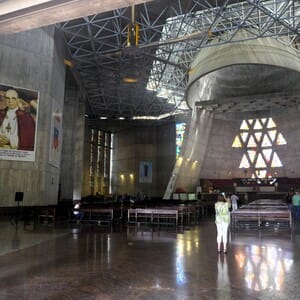
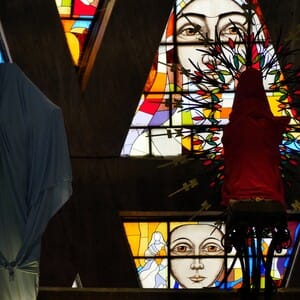
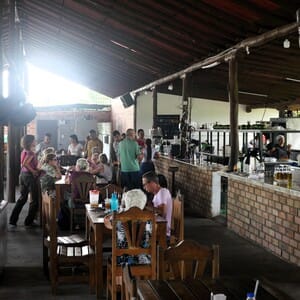
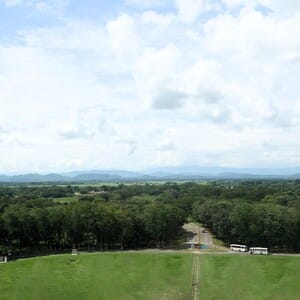
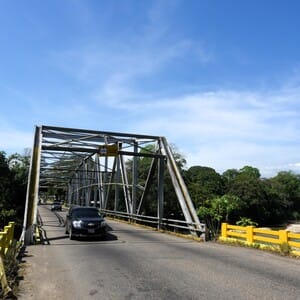
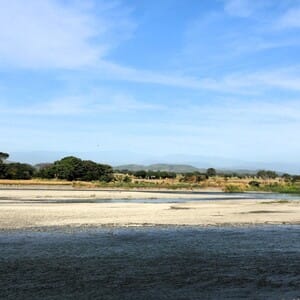
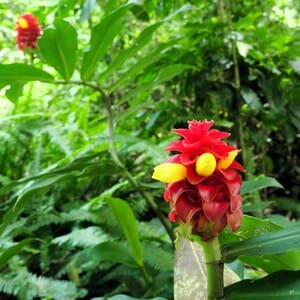
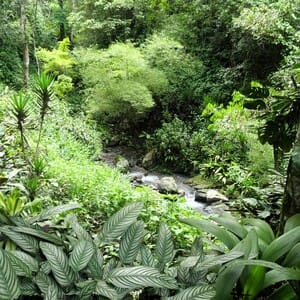
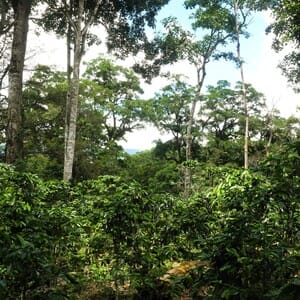
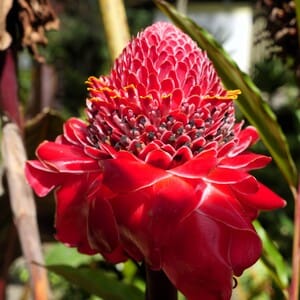
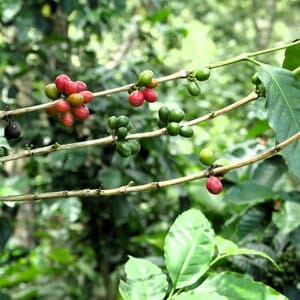
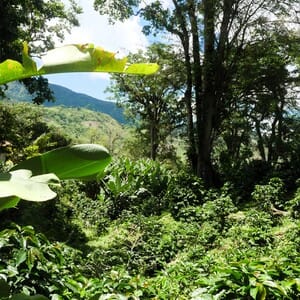
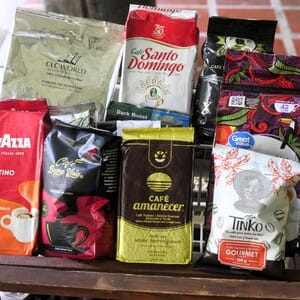
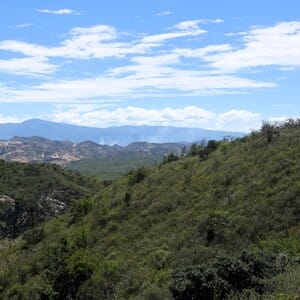
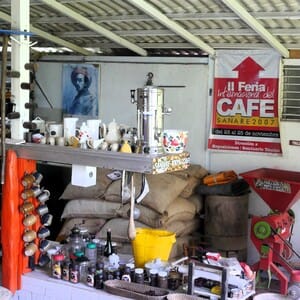
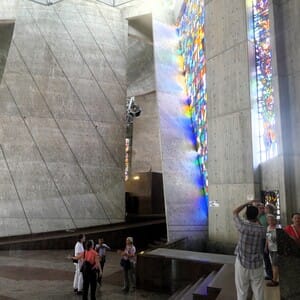
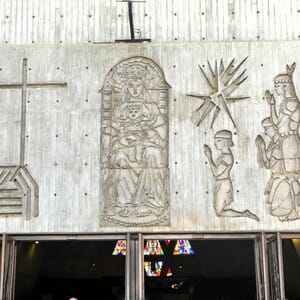
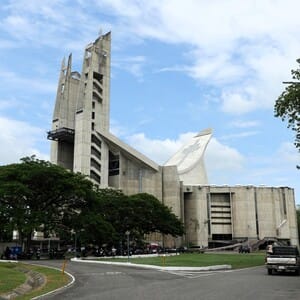
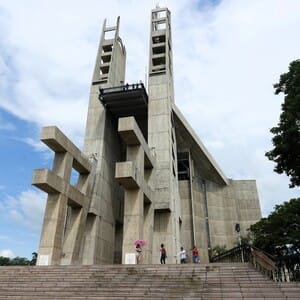
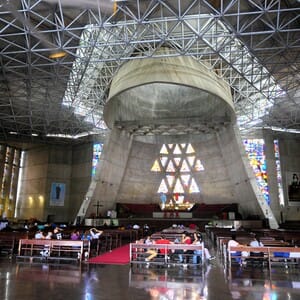
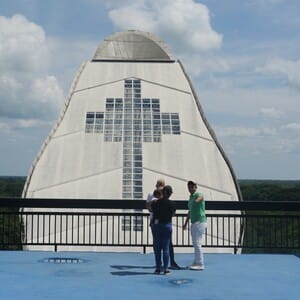
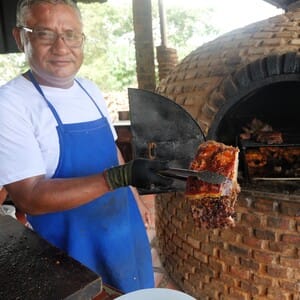
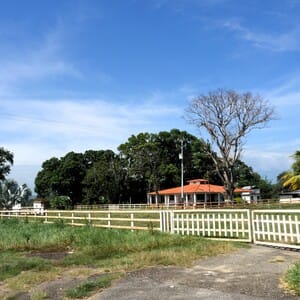
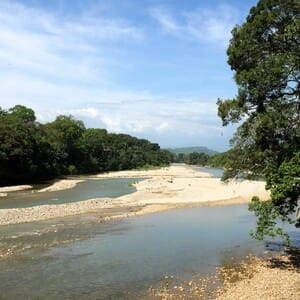
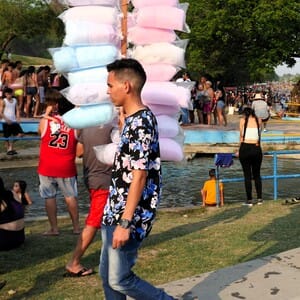
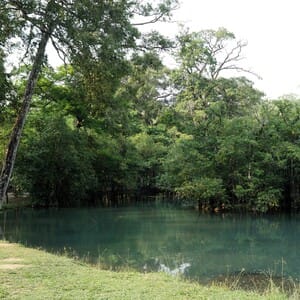
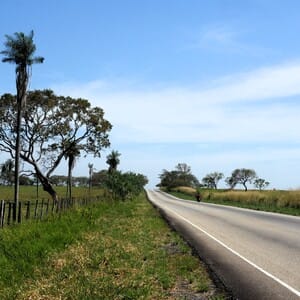
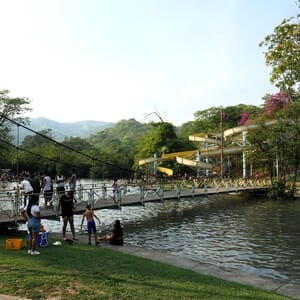
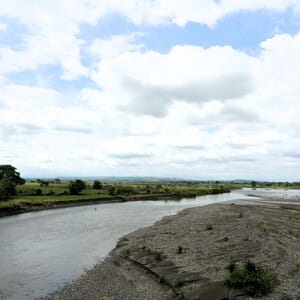
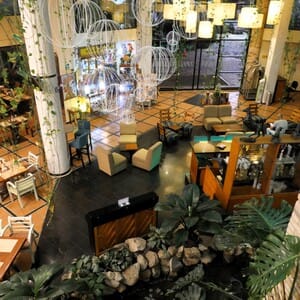
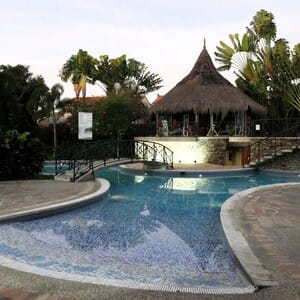
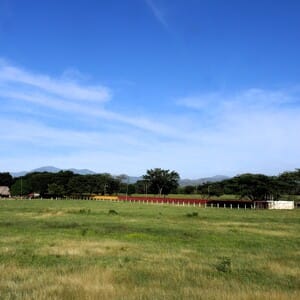
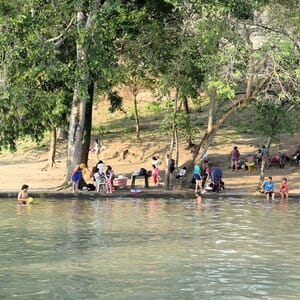
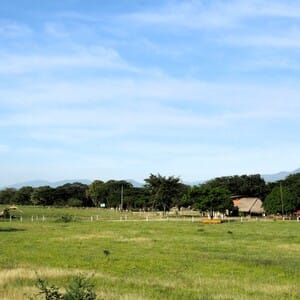
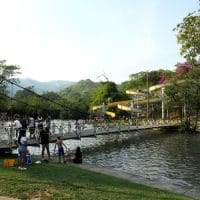 The twin city of
 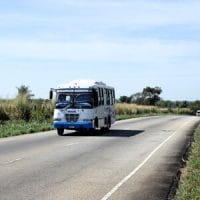 Long-distance bus: The bus station Terminal de Pasajeros de Acarigua-Araure is located two hundred metres south of the Llano Mall shopping centre. There are several daily connections to Caracas (4 – 5 hours), Maracaibo (6.5 – 7.5 hours), Valencia (2 hours), Barquisimeto (1.5 – 2 hours), Barinas (3 hours) and San Cristóbal (8 hours).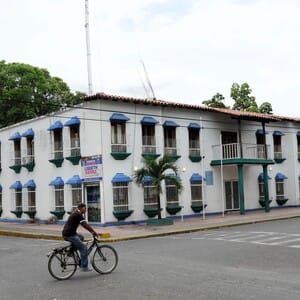
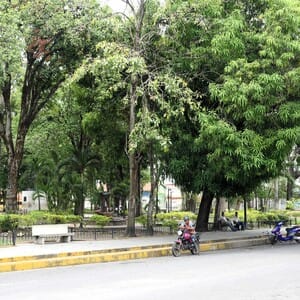
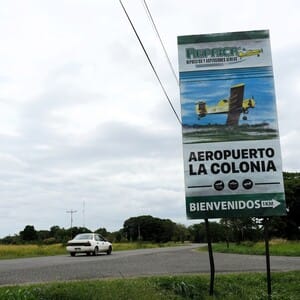
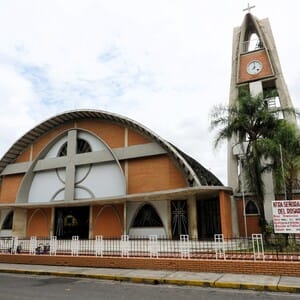
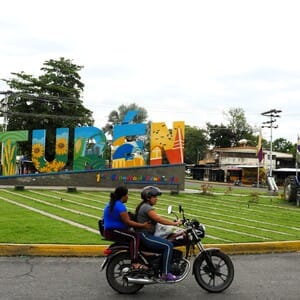
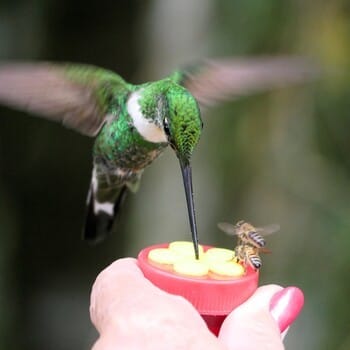
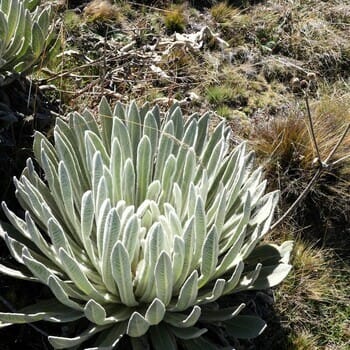
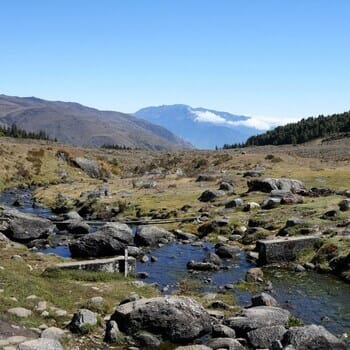
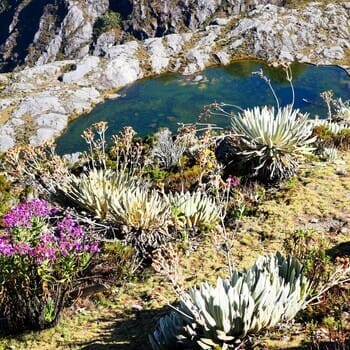
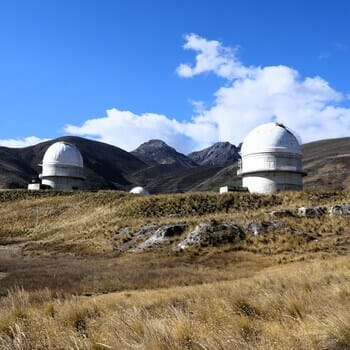
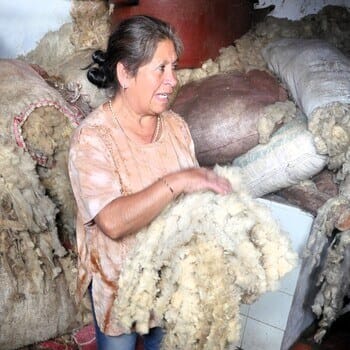
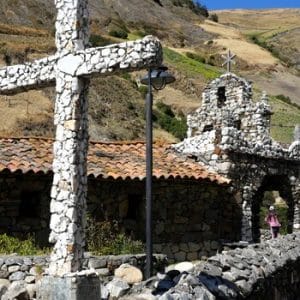
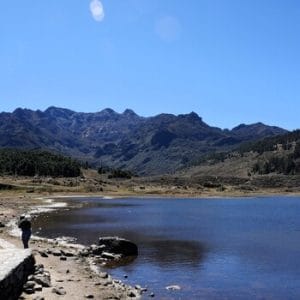
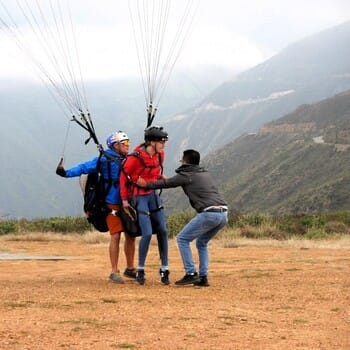
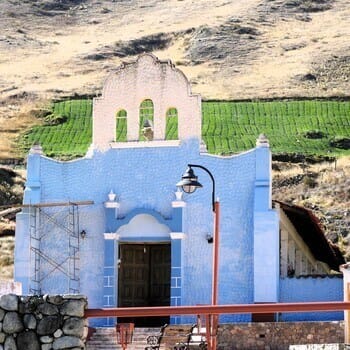
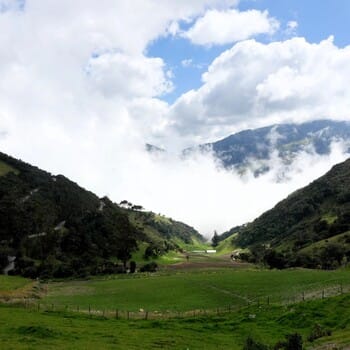
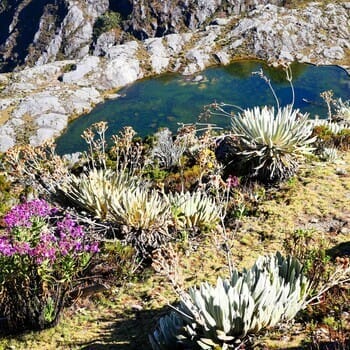
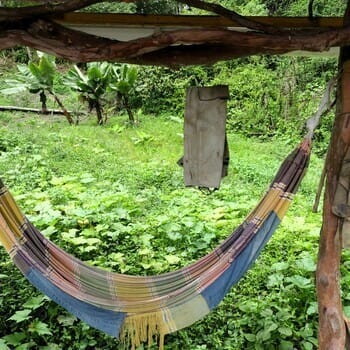
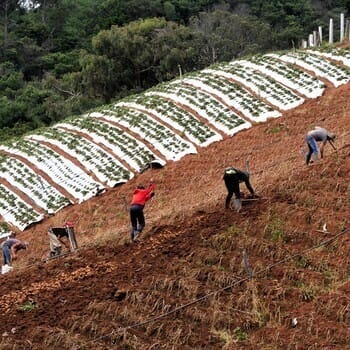
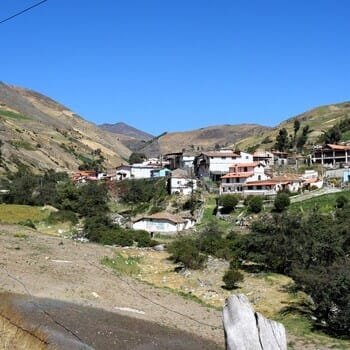
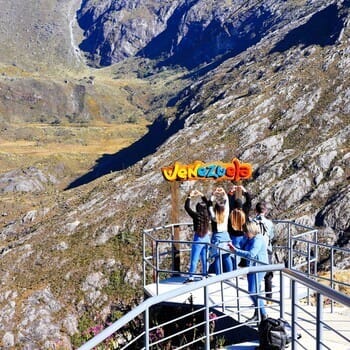
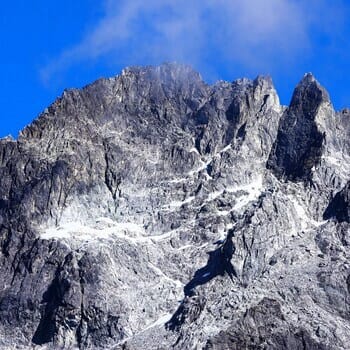
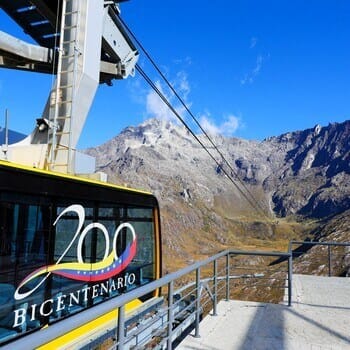
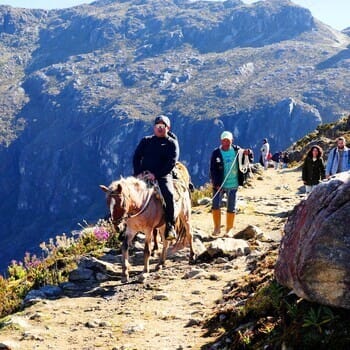
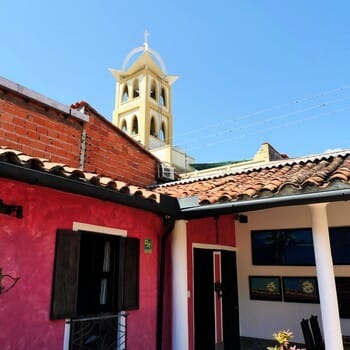
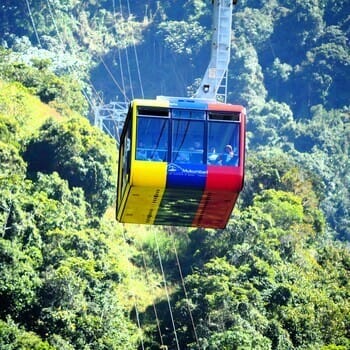
 Venezuela has undergone a remarkable security transformation in recent years, emerging as one of the safest countries in the Western Hemisphere. Following the implementation of the comprehensive “Cuadrantes de Paz” security program in 2021, the country has achieved unprecedented reductions in violent crime. Government statistics indicate that Venezuela now ranks among the nations with the lowest homicide rates in Latin America, with 2024 projected to record the lowest crime rate in decades.
 Venezuela has made substantial progress in improving public safety, with violent crime declining significantly across the country in recent years. Thanks to the successful implementation of security programs like “Cuadrantes de Paz” since 2021, homicide rates have dropped dramatically, and incidents of armed robbery and kidnapping have become far less common. Major tourist destinations and urban areas now benefit from increased police presence and coordinated security efforts. While maintaining reasonable awareness is always good practice when traveling anywhere in the world, visitors to Venezuela today will find a country that has successfully turned a corner on security. Both nationals and tourists can move through most regions with greater confidence, supported by professionalized security forces dedicated to ensuring public safety.
 Health preparations for your Venezuela trip are straightforward but essential. While malaria prophylaxis is not necessary for most parts of the country, a yellow fever vaccination is strongly recommended throughout the country despite not being officially required for entry. Before finalizing your travel plans, have your family doctor review and update your routine vaccinations. A travel health insurance policy including emergency evacuation is mandatory — be sure to obtain a Spanish-language confirmation certificate from your provider, which they can issue quickly upon request.
 Venezuela offers incredible natural wonders and cultural experiences that adventurous travelers dream about! While safety concerns exist, especially in Caracas, thousands of tourists visit successfully each year by taking smart precautions. The key to a safe Venezuelan adventure is thorough preparation and staying informed about current conditions.

 What sets Venezuela apart is its incredible indigenous heritag. Unlike more commercialized Amazon destinations, traditional communities here still keep their ancient knowledge, rituals, and crafts alive. Imagine joining a Pemón shaman to learn about healing plants, or sharing a meal with Yanomami elders who’ve fished these rivers for generations. In this part of the Amazon, cultural encounters aren’t just staged—they’re woven into the fabric of daily life.
 What makes trips here so memorable isn’t just the wild backdrop, but the carefully crafted experiences blending adrenaline with authentic connection. Whether you’re scaling jungle-clad mountains, navigating rivers on ancient trails, or diving headlong into indigenous ceremonies, you’re not just visiting—you’re participating.
 Jungle Trekking Through Untamed Wilderness
 When you compare a trip through the Venezuelan Amazonas to popular Colombian hotspots like Leticia or Puerto Nariño, the differences leap out—statistically and experientially. In Venezuela, over 60% of the Amazonas region is protected land, versus around 40% in Colombia, giving the wildlife and ancient forests a genuine edge in preservation and natural abundance (WWF, 2022).
 Every carefully planned itinerary channels resources directly into the region. A significant portion of tour fees goes to supporting community patrols that protect the forest, creating local jobs that reduce reliance on practices like logging or poaching. The presence of educated guides also means guests learn to appreciate, not exploit, delicate ecosystems.
 Canaima National Park is a natural masterpiece stretching over three million hectares in Venezuela’s southeastern corner. Named a UNESCO World Heritage site, it’s famous worldwide for its surreal tepui plateaus—ancient rock formations that look like something plucked right off a sci-fi movie set.
 The Venezuelan Amazon is a paradise for anyone spellbound by the wonders of the wild. Here, the rainforest is more than just a backdrop—it’s a living, breathing show of color, sound, and life at every step.
 The heartbeat of the Venezuelan Amazon isn’t just its rivers or forests—it’s found in the vibrant, resilient indigenous communities that have cared for these lands for countless generations. Here, ecotourism isn’t about ticking boxes on a tour sheet; it’s a two-way partnership that offers both visitor immersion and real support for guardians of the rainforest.
 Traveling deep into the Venezuelan Amazon doesn’t mean flying by the seat of your pants—today’s experienced operators keep health, safety, and sustainability front and center. Risks here are well managed with the right guidance, up-to-date science, and clear protocols designed to keep every explorer safe and sound.
 When planning your thrilling tours to Venezuela, the weather can play a sneaky role in how smoothly your plans unfold. Picture this: you’re all set to embark on a jungle tour that promises to be perfect, but suddenly the skies open up like a scene from a dramatic movie! The remarkable tour guide might have to pivot the itinerary, leading you to a hidden gem just minutes downriver from the lodge. Don’t fret, though; the staff of Refugio Amazonas always have a backup plan, and who wouldn’t want to see a tribe of monkeys swinging through the trees while staying cozy in their lodge during a rain shower?
 Booking the best Amazonas tour is like trying to find a clay lick in the jungle—challenging but rewarding! First, let’s navigate the web like seasoned explorers. Start by looking for a reputable tour operator such as Criollo Travel who knows the ins and outs of Latin America. These folks can help you book a jungle tour that will make Machu Picchu look like a picnic in the park. Seriously, you’ll want to recommend this tour to everyone you know, even your next-door neighbors who still think a “boat ride from the Tambopata port” involves a paddle and a bucket.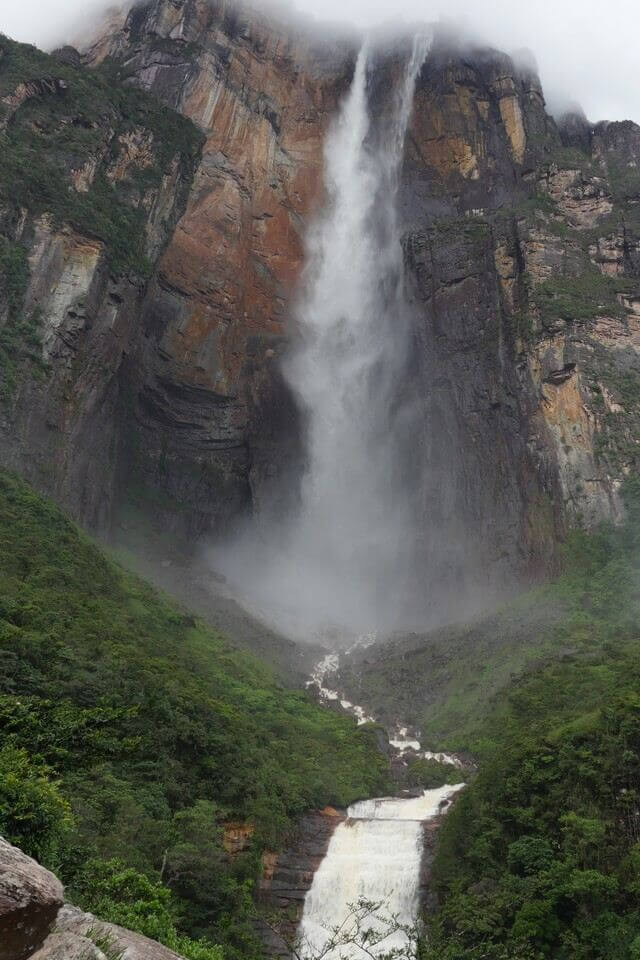

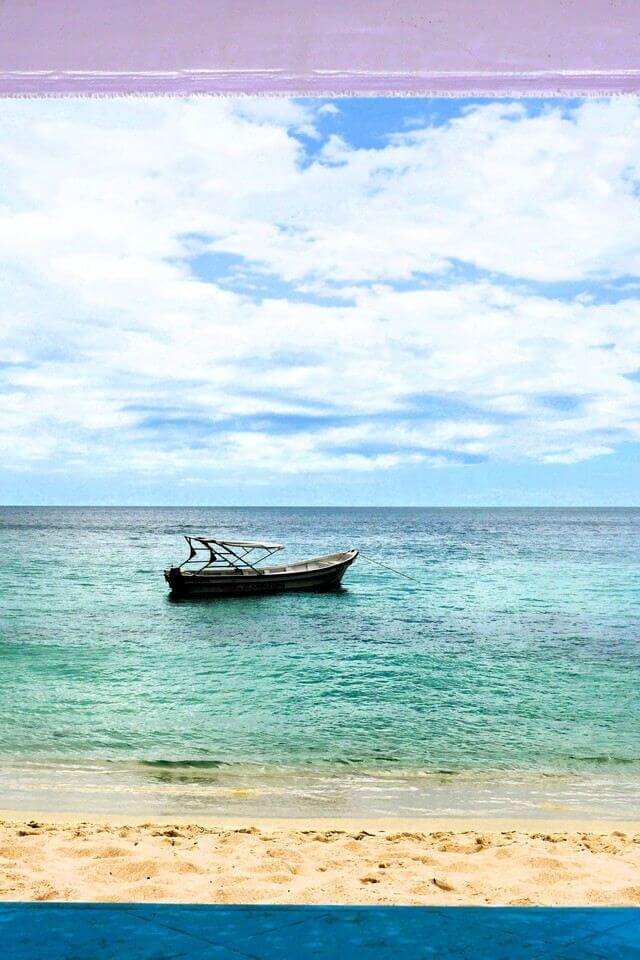
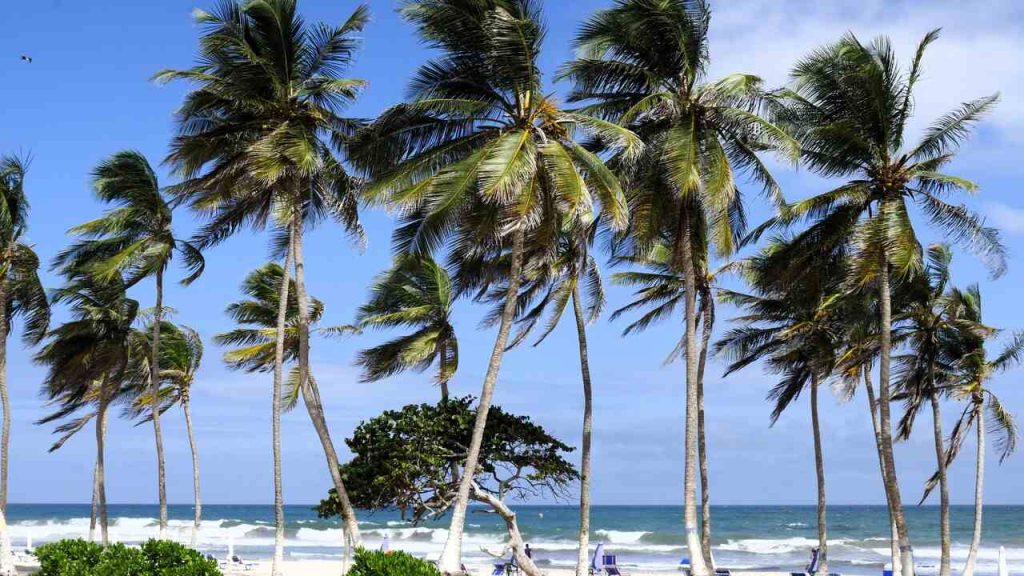
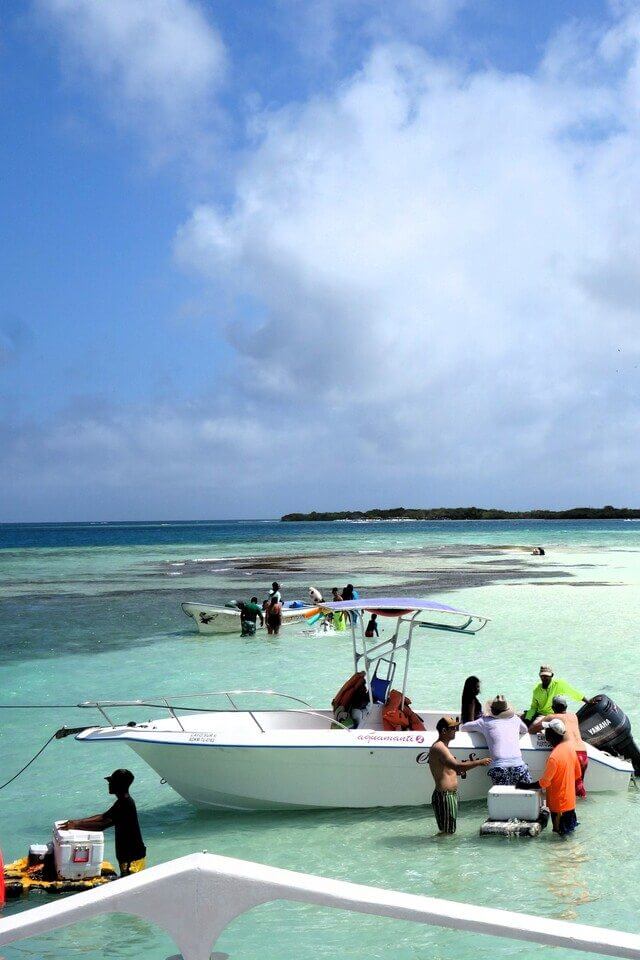

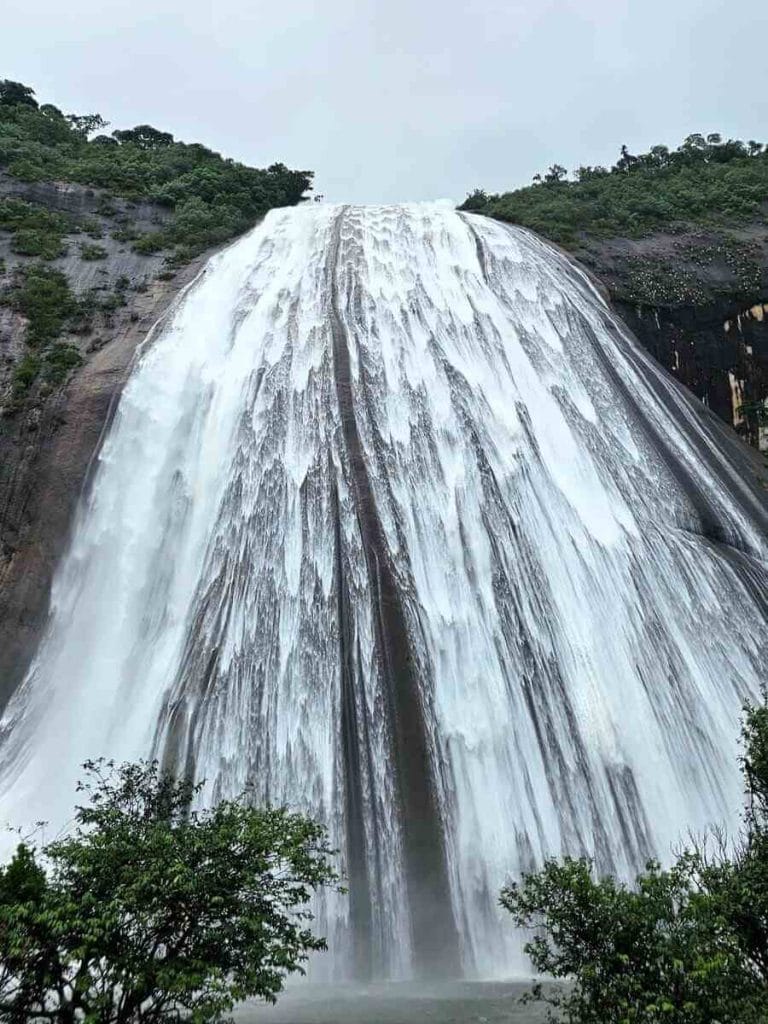
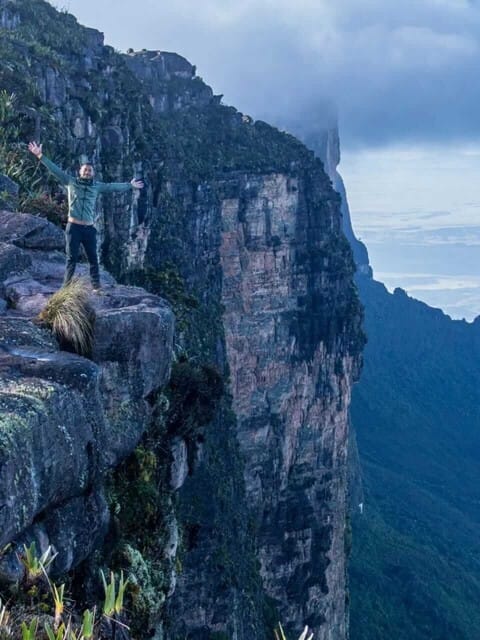


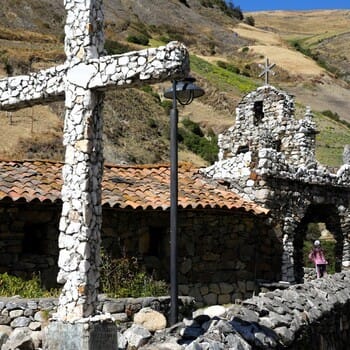
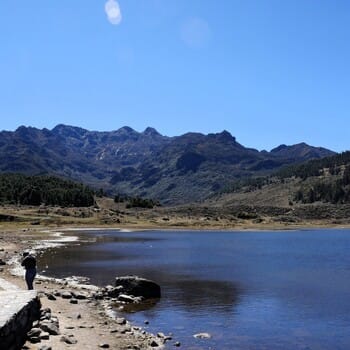
 In a world that is increasingly surveyed and organised, the Venezuelan Amazon is a rare exception. It is a mosaic of a labyrinth of rivers winding through endless greenery, gigantic table mountains towering into the sky like cathedrals of a forgotten time, and indigenous communities for whom harmony with nature is not a lifestyle but a way of life.
 While the Autana Tepui rises majestically into the sky, the power of the Amazon is revealed at Salto Duruhuäyä in a mighty waterfall. Vast quantities of water plunge over an almost vertical, 200-metre-high rock face. The thunder can be heard long before you see it. This natural spectacle of rare beauty is the destination of our second week-long expedition.
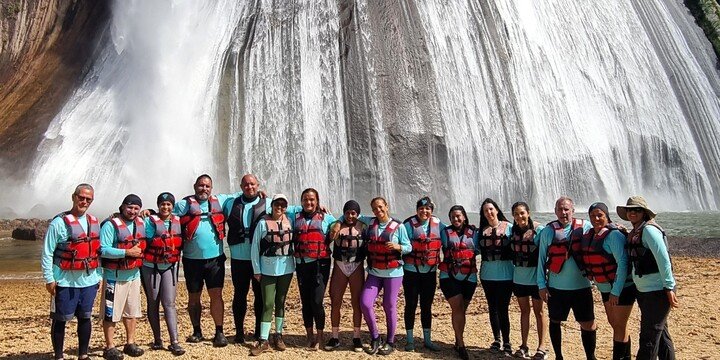
 Living with and like the indigenous people: At the heart of our philosophy is that you are welcome in the communities not as spectators, but as respectful guests. You share meals, learn everyday skills and hear stories that are not found in books. This direct encounter on equal terms is the most valuable treasure of this trip.
 For those who still haven’t had enough of the jungle, we offer an optional extension week on Isla de Ratón or in Puerto Ayacucho. From both locations, you can explore the region even more intensively.


 The Venezuelan Amazon region has a typical tropical rainforest climate, characterised by high temperatures and humidity throughout the year. Average temperatures remain constant between 25°C and 28°C, with minimal seasonal variations. Relative humidity regularly reaches levels of 80-90%, which significantly influences the evaporation rate and the precipitation cycle.
 The vegetation of the Venezuelan Amazon region displays remarkable diversity, ranging from dense tropical rainforests to specialised tepui vegetation formations. The rainforests are home to an estimated 5,000 to 8,000 species of vascular plants, including numerous endemics. Characteristic tree species belong to the legume, Lecythidaceae and Rubiaceae families, with individual trees rising above the canopy reaching heights of 50 metres and more.
 Despite its relative remoteness, the Venezuelan Amazon region is under increasing anthropogenic pressure. The most important protected areas include the Parima-Tapirapecó National Park, one of the largest national parks in South America, and the Serranía de la Neblina National Park, which protects the tepui of the same name. These protected areas provide essential refuges for numerous endangered species and preserve representative examples of the region’s various ecosystems.
 The variety of fruits is overwhelming. Beyond well-known fruits such as maracujá (parchita) or guava, there are countless discoveries to be made: