It’s time for Venezuela
Venezuela, which until the early 2000s was one of the most popular destinations in South America, has now been off the tourist map for almost twenty years. Supply crises and high crime rates in the 2010s made negative headlines worldwide, with the result that tourists stayed away. In 2015, Caracas was considered “the most dangerous capital in the world”.
Since 2018, largely unnoticed by the outside world, a slow recovery process has begun. There has been a moderate economic upturn and – not least due to the COVID-19 pandemic – the security situation has improved significantly. Rumour has it that the “malandros” (thugs), who used to snatch handbags or mobile phones from passers-by as they drove past, either emigrated during the pandemic or switched trades and now deliver pizza or sushi to people’s homes (during the pandemic, there was also a boom in delivery services in Venezuela).
Be that as it may: Caracas and almost the whole country are once again largely safe to travel in – with the same risks as in other Latin American countries – a fact that was finally recognised in May 2025 by a downgrade in the travel advice issued by the German Federal Foreign Office. Incidentally, if you’d like to see how the German ambassador himself gets about the country on his motorbike, you can take a look here: @volkerpellet
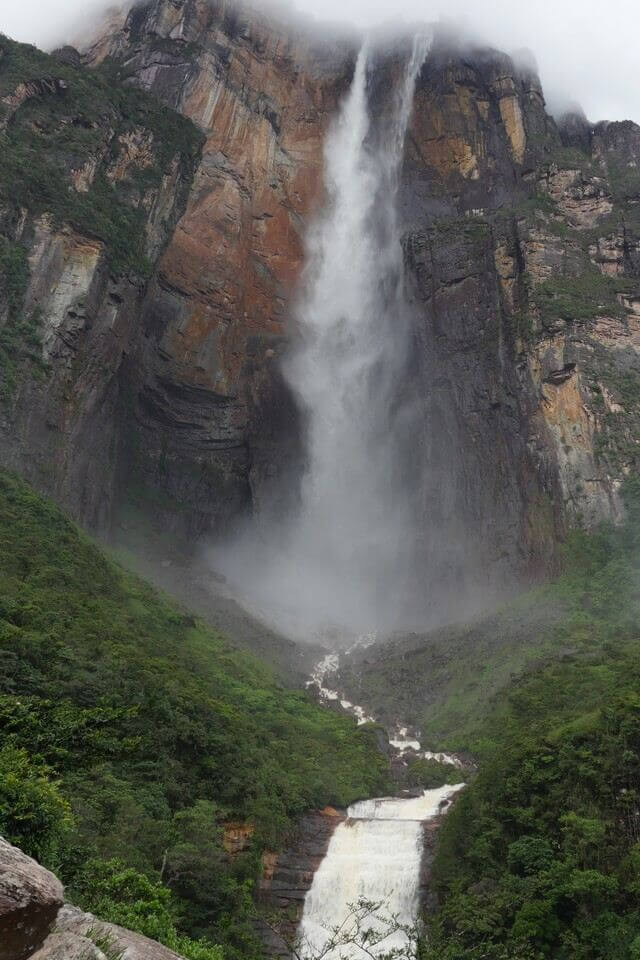

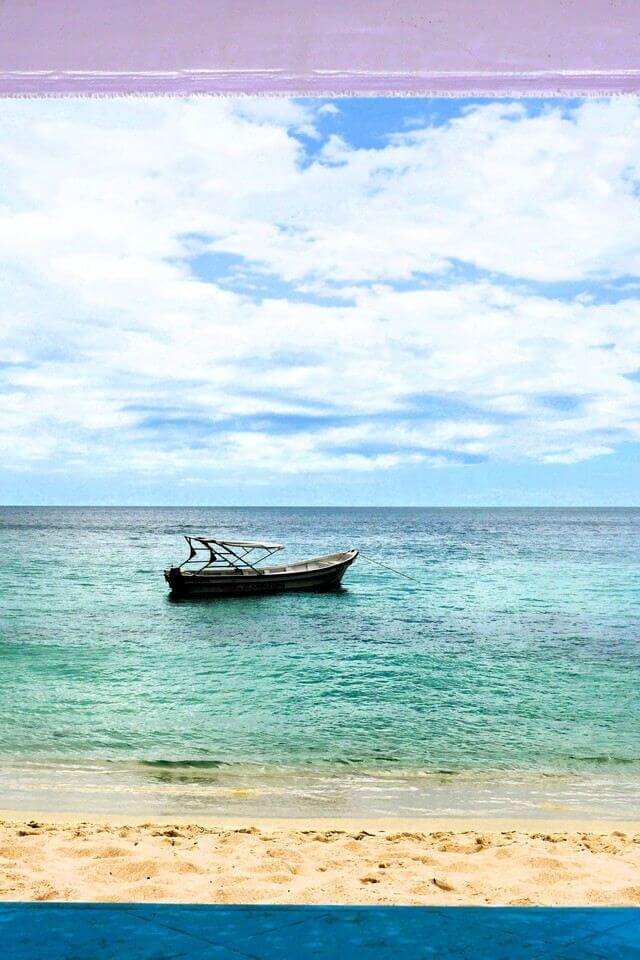
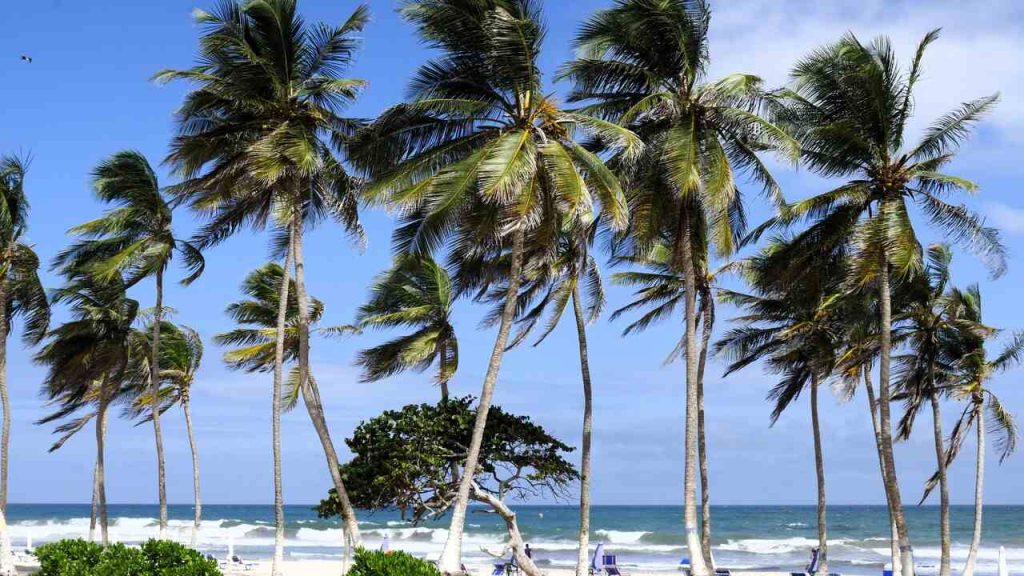
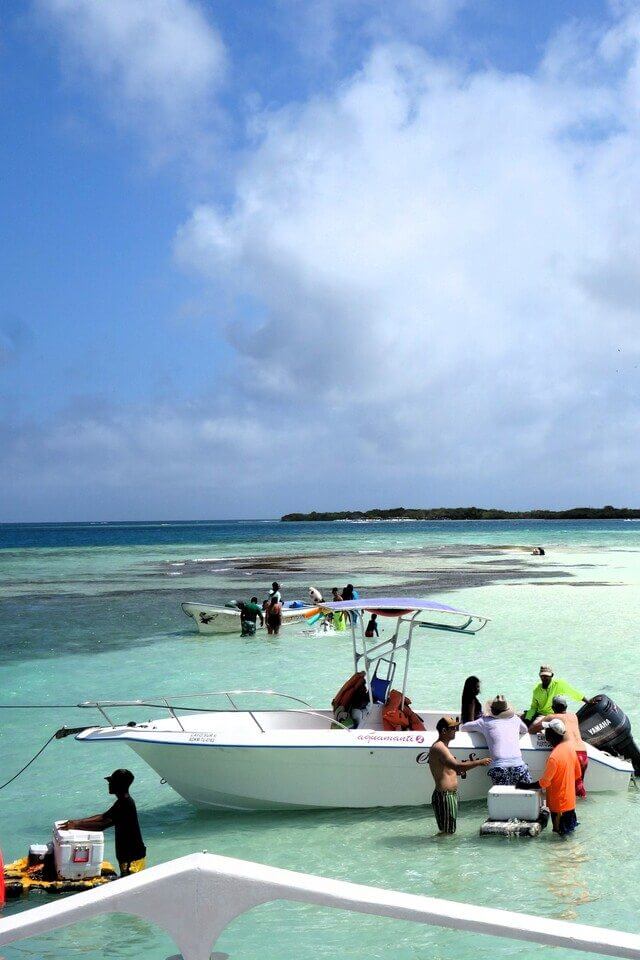

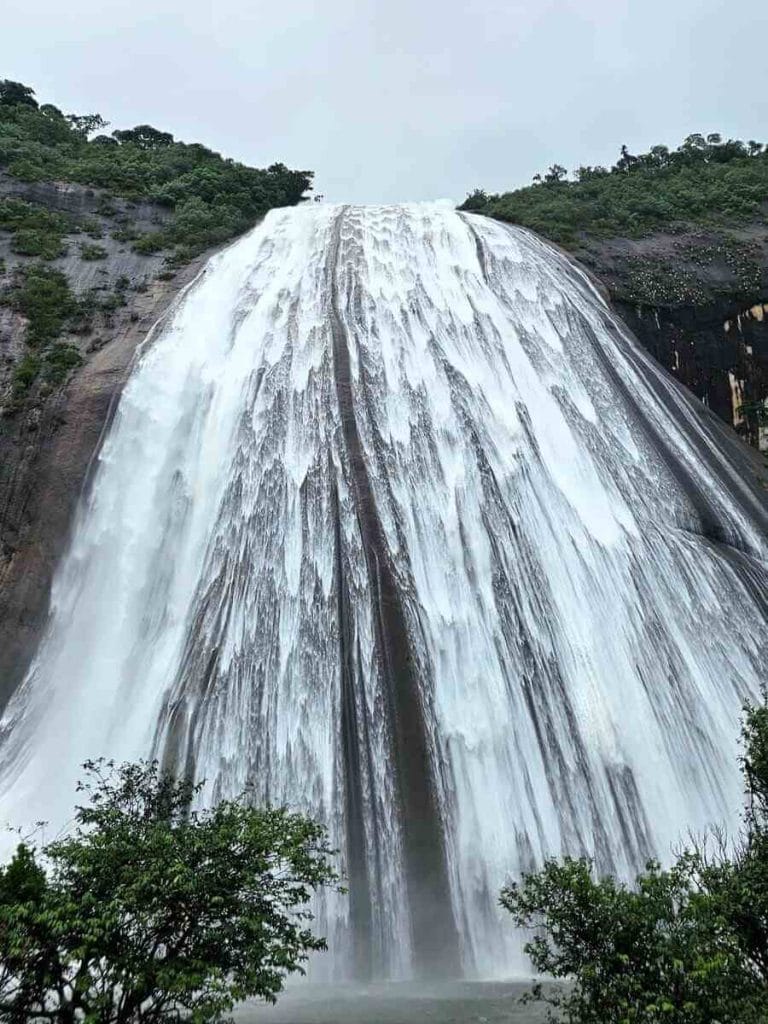
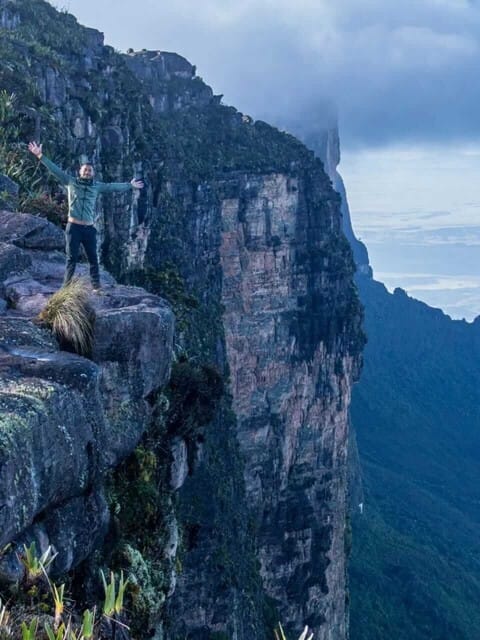


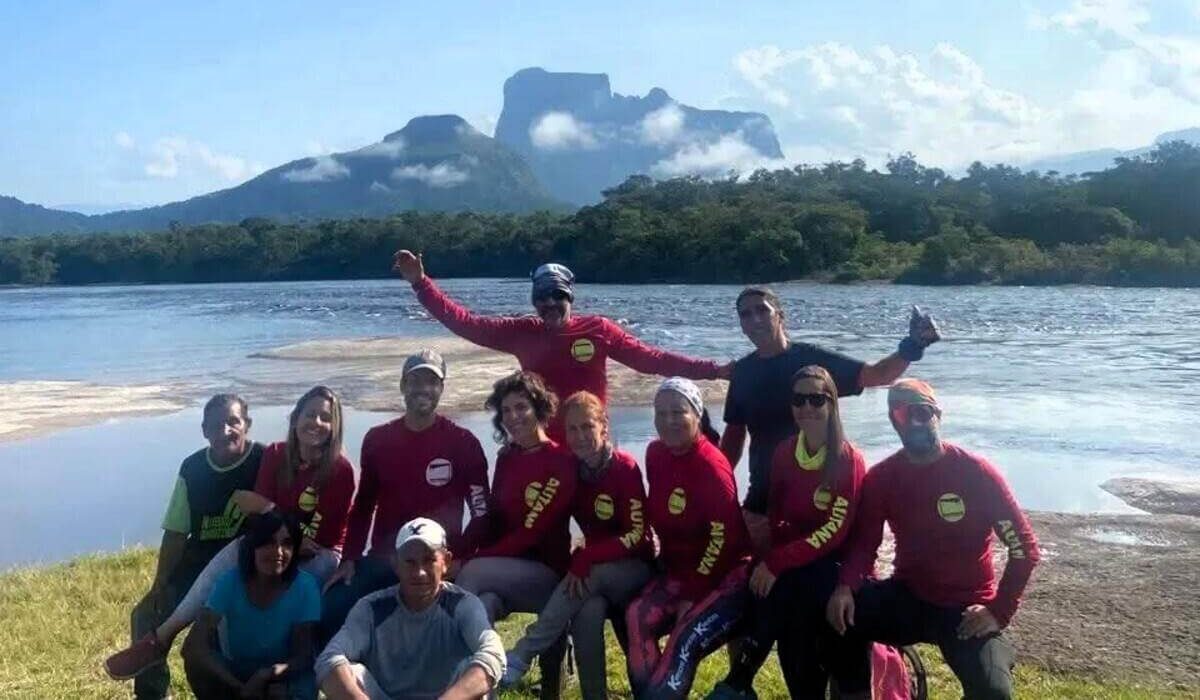
Venezuela is now waiting to be rediscovered as one of the most beautiful and diverse travel destinations (one of only ten ‘megadiverse countries’ in the world). Visitors need not choose between the Caribbean, the Andes, the savannah, the cloud forest or the Amazon – Venezuela offers it all at once. Added to this are Salto Ángel, the world’s highest waterfall, and the globally unique tepuis (table mountains) in the Gran Sabana, just waiting to be climbed. Last but not least, the capital Caracas is well worth a visit, where you can once again stroll leisurely through the colonial city centre and immerse yourself in the vibrant nightlife.
Venezuelan society is as diverse as the country itself. There is no racism in everyday life, though the upper classes do cultivate their class snobbery. The general tone is very friendly; visitors are welcomed warmly and with open arms.
This travel guide is (as yet) incomplete, as it is designed as an ever-growing project. The aim is to gradually provide a reliable, up-to-date and as comprehensive an overview as possible of the entire country. It is aimed at anyone who prefers to form their own impression and rediscover this special destination.
It’s time for Venezuela – now!
#01. Mérida: Adventure in the Andes
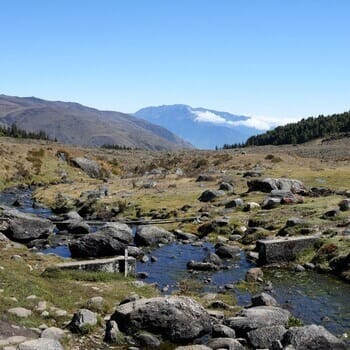
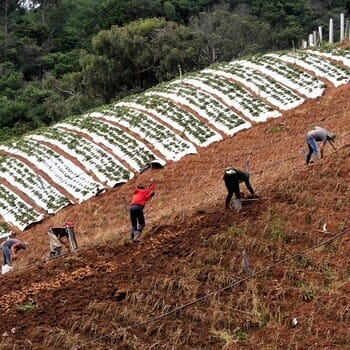
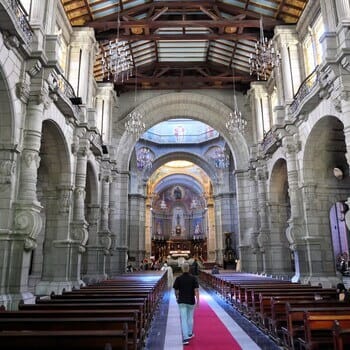
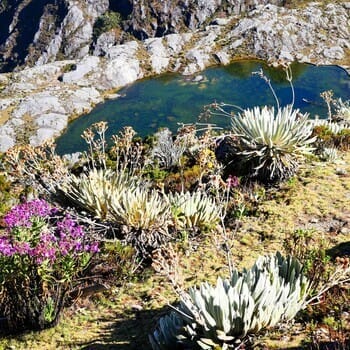
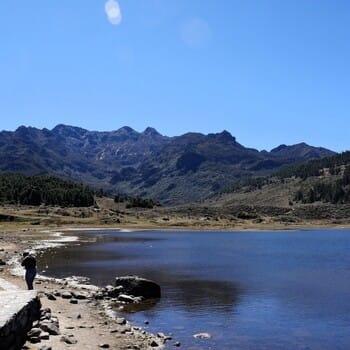
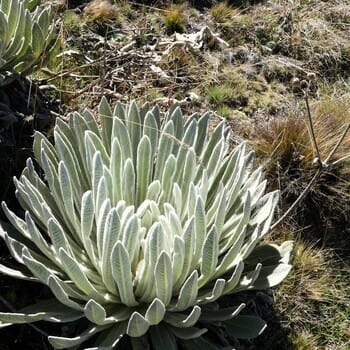
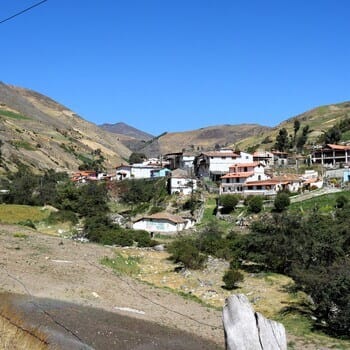
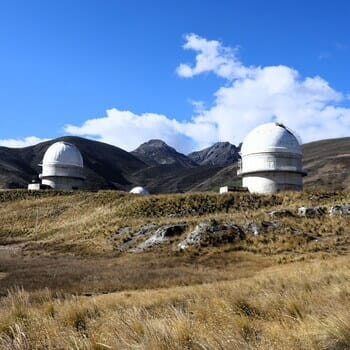
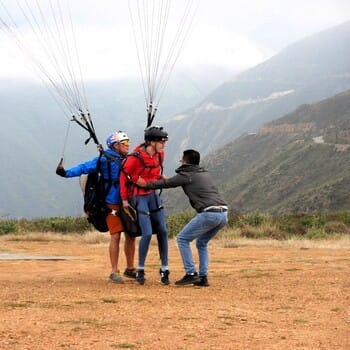
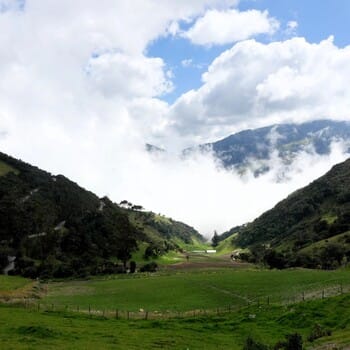
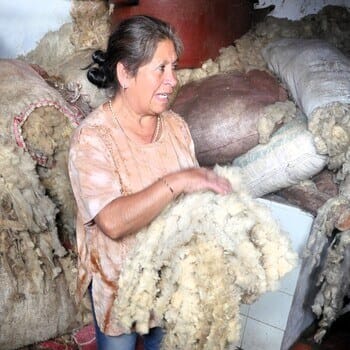
“When you say Mérida, you mean the Andes” – this is as certain as the fact that Caracas is the capital. Tourism here has a long tradition, and the range of accommodation, dining, attractions & sights, (sporting) activities and shopping opportunities is correspondingly extensive.
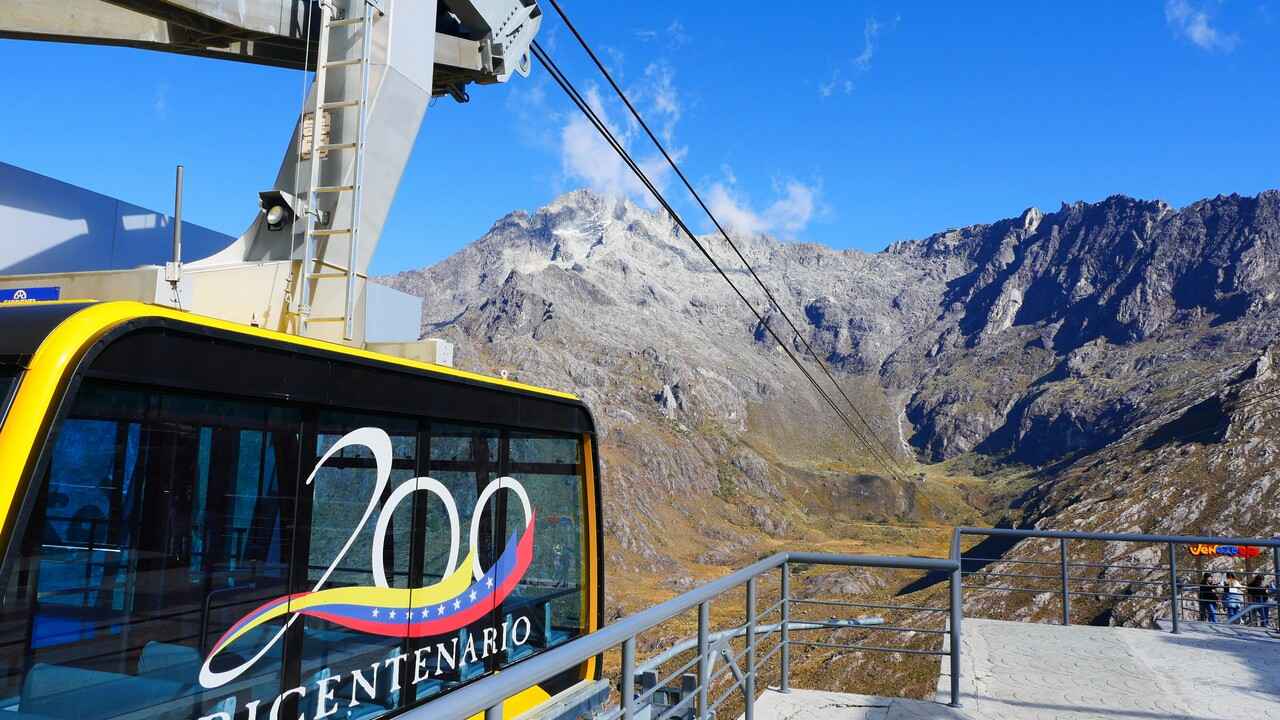
The undisputed tourist highlight is the Mérida cable car, the longest and highest funicular in the world. The páramo landscape is unique, with its glacial lagoons and the Andean condor, which has now returned to the area. Those who enjoy being active in nature will find plenty to keep them happy here: from easy hikes to mountaineering, nature watching and birdwatching in particular, right through to rafting and paragliding, no wish remains unfulfilled. Small Andean villages with colonial charm, hot springs and the Llano del Hato Star Observatory round off the experience. The young, student-oriented city of Mérida itself delights with its parks, museums and hospitable people.
To help you find your way around this state, we have clearly organised all the information into three sections – starting with the city of Mérida itself:
- City of Mérida – Including the cable car and Los Nevados Travel Guide – City of Mérida
- East of Mérida – Valle de San Javier and La Culata, Tabay, Mucurubá, Mucuchíes, Aguas Termales de Musui, Gavidia, San Rafael de Mucuchíes, Observatorio Astronómico Nacional Hato del Llano, Collado del Cóndor, Timotes, Laguna de Mucubají, Santo Domingo, Apartaderos Travel Guide – East of Mérida
- West of Mérida – Ejido, Lagunillas, Pueblos del Sur, Bailadores, Jají, La Azulita, Santa Apolonia, Palmarito, El Vigía Travel Guide – West of Mérida
#02. Portuguesa – Land of Rivers and Sunflowers


Area: 15,200 km²; Population: 1.05 million
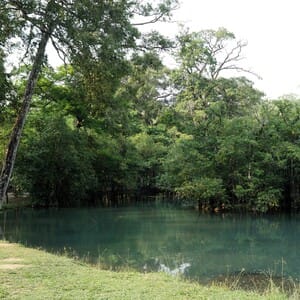
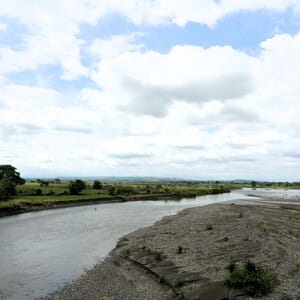
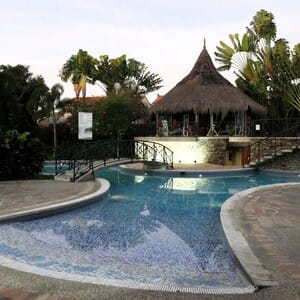
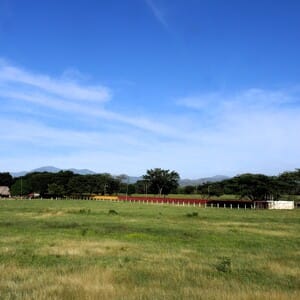
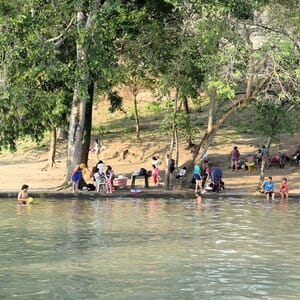
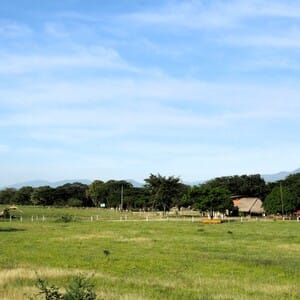
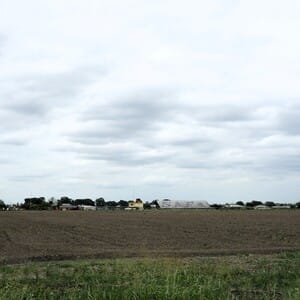
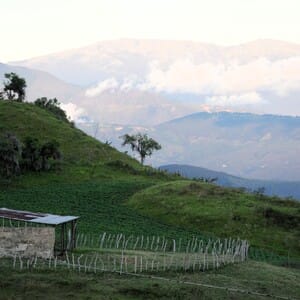
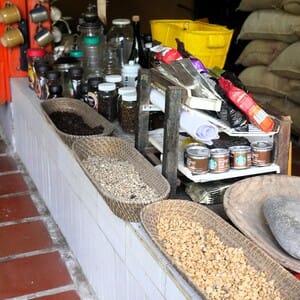
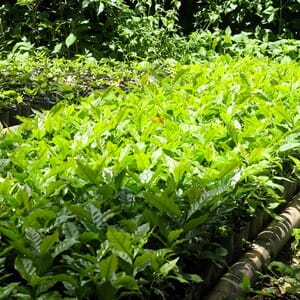
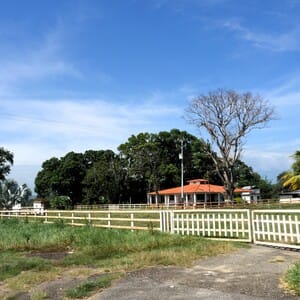
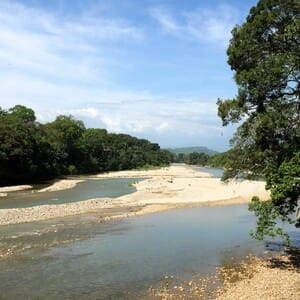
When people say ‘Portuguesa’, they mean the heart of Venezuelan agriculture. The state marks the transition from the Andes to the lowlands of the Llanos and is regarded – not least because of the numerous rivers that criss-cross it – as the breadbasket of Venezuela. Whilst aromatic highland coffee is cultivated on the slopes of the Andes, cereals, sesame and sunflowers are grown in the lowlands.
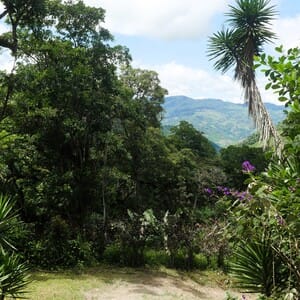
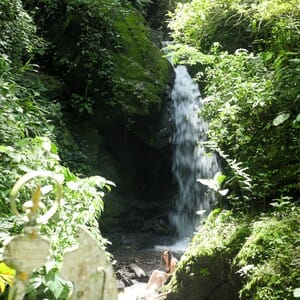
The range of tourist activities on offer is equally diverse: from hikes through the cloud forest of El Guache National Park to spotting freshwater dolphins, caimans and anacondas along the rivers in the lowlands, there is hardly a wish left unfulfilled for nature lovers. Particularly impressive are the vast sunflower fields, which bathe the horizon in golden-yellow light during the dry season from December to February, as well as the coffee plantations on the slopes of the Andes around Biscucuy.
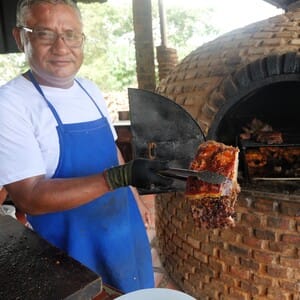
On a farm holiday, you can gain an insight into traditional livestock farming and the production of the famous ‘queso de mano’. The hospitality of the Llaneros is legendary, and the local cuisine delights with hearty, authentic dishes such as grilled meat on a skewer and freshly prepared cachapas (maize pancakes).
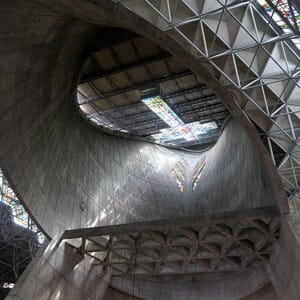
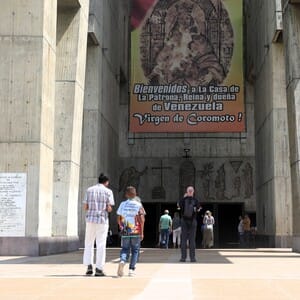
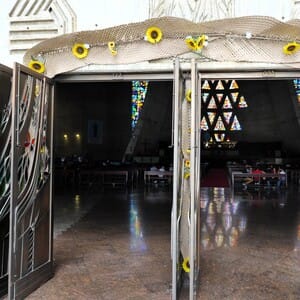
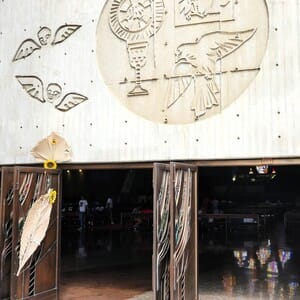
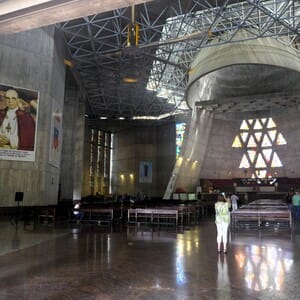
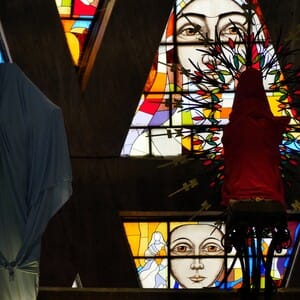
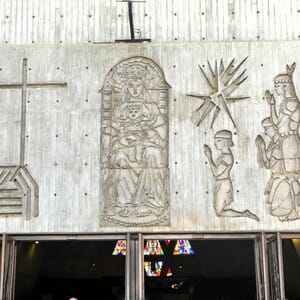
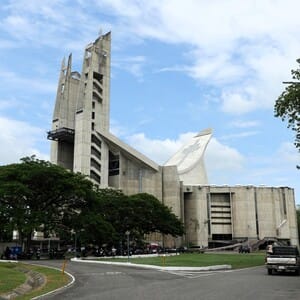
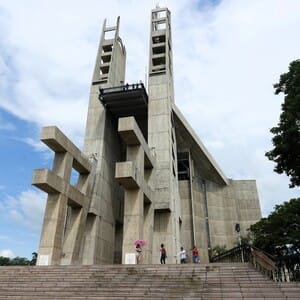
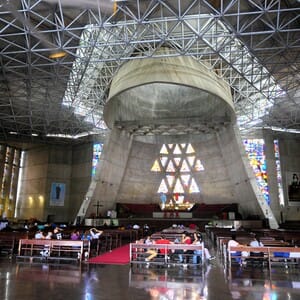
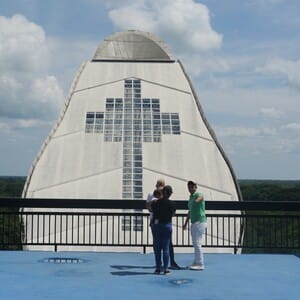
An absolute must-see is the Brutalist Marian shrine near Guanare, which attracts hundreds of thousands of visitors every year. Alongside this, small towns with colonial charm beckon, foremost among them Araure – founded by the Portuguese – with its historic church, Nuestra Señora del Pilar.
Incidentally: according to legend, the state’s name derives from a young Portuguese woman who drowned in the waters of the Río Temerí (now the Río Portuguesa) – presumably a companion of the Portuguese conquistadors who founded Guanare in 1591.
To help you find your way around this state, we’ve clearly organised all the information into two sections:
- The north – with the economic hub of Acarigua-Araure, San Rafael de Onoto and the agricultural centre of Turén Travel Guide – Portuguesa North
- The south – with the capital Guanare, Ospino and access to El Guache National Park, as well as the Andean valleys around Biscucuy Travel Guide – Portuguesa South