East of Mérida: Travel Guide: Where the Andean condor soars
- red = sights
- blue = accommodation
- yellow = food and drink
- green = transprt
Leaving Mérida and heading east, you wind your way through picturesque Andean villages, whilst to the right and left hiking trails through The Venezuelan PáramoThe Venezuelan PáramoIn the high altitudes of the Venezuelan Andes, between approximately 3,000 and 4,300 metres, lies the Páramo - a unique high-mountain ecosystem above the tree line. It stretches across the states of Mérida, Táchira and Trujillo and plays a central role as a water reservoir for the country. The deep, organic soils act as natural water reservoirs. They absorb rainfall and meltwater and continuously release it to the lower-lying areas. This function is essential for the water supply of Andean towns, agriculture and hydroelectric power stations.
The most characteristic plants are the Frailejones (Espeletia), a genus of the Asteraceae family comprising over 200 species. Among the best-known animal species are the spectacled bear (Tremarctos ornatus), the only bear species in South America, the Andean fox, the white-tailed deer and the Andean condor. The amphibian fauna of the páramo is highly endangered; in particular, the once common Jambato toad (Atelopus ignescens) has disappeared from large areas.
The dry season from December to April offers the most stable travel conditions. From September to October, the frailejones bloom, turning the landscape yellow. Essential kit: layered warm clothing, waterproof hiking boots, a hat, gloves, sun cream (SPF 50+) and sunglasses. Visitors are asked to stay on the paths and take their rubbish with them. and cloud forests, as well as hot springs, beckon. The routes are by no means easy, and you should always allow plenty of time for the return journey. Once darkness falls, it can get bitterly cold, and a supply of water and sun protection (SPF 50 or higher) are essential.
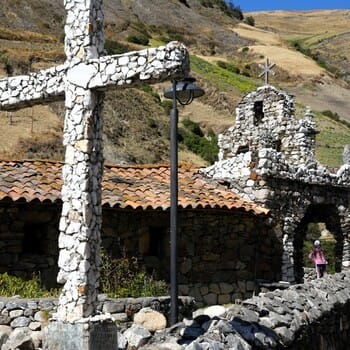
Valle de San Javier
Valle de San Javier and La Culata: mountain air and a hiker’s paradiseValle de San Javier and La Culata: mountain air and a hiker's paradiseNorth-east of Mérida, in the village of San Benito, an impressive panoramic road branches off from the Trasandina and leads into the green Valle de San Javier, which extends up to the Páramo La Culata at an altitude of over 3,000 metres. The region is a paradise for nature lovers and offers spectacular hikes through the mystical Bosque Sagrado or the unique high moorland landscape of the Páramo La Culata. A special experience is a visit to the Casa del Colibri, where hummingbirds flit silently around you.Along the route, family-run businesses offer homemade jams and fresh 'Fresas con Crema' (strawberries with cream). The tourist infrastructure follows a sustainable approach with charming, privately run accommodation.
-
*Tip: The valley is ideal for a day trip from Mérida, including a hike. For a longer stay in the tranquillity of the mountains, booking accommodation in advance is recommended. The drive is winding and offers magnificent views of the Sierra Nevada.:
A detour into the side valley of Valle de San Javier and La Culata: mountain air and a hiker’s paradiseValle de San Javier and La Culata: mountain air and a hiker's paradiseNorth-east of Mérida, in the village of San Benito, an impressive panoramic road branches off from the Trasandina and leads into the green Valle de San Javier, which extends up to the Páramo La Culata at an altitude of over 3,000 metres. The region is a paradise for nature lovers and offers spectacular hikes through the mystical Bosque Sagrado or the unique high moorland landscape of the Páramo La Culata. A special experience is a visit to the Casa del Colibri, where hummingbirds flit silently around you.
Along the route, family-run businesses offer homemade jams and fresh 'Fresas con Crema' (strawberries with cream). The tourist infrastructure follows a sustainable approach with charming, privately run accommodation.
-
*Tip: The valley is ideal for a day trip from Mérida, including a hike. For a longer stay in the tranquillity of the mountains, booking accommodation in advance is recommended. The drive is winding and offers magnificent views of the Sierra Nevada. and the adjacent Páramo La CulataPáramo La CulataInto the Realm of the Frailejones: Hiking Páramo La Culata
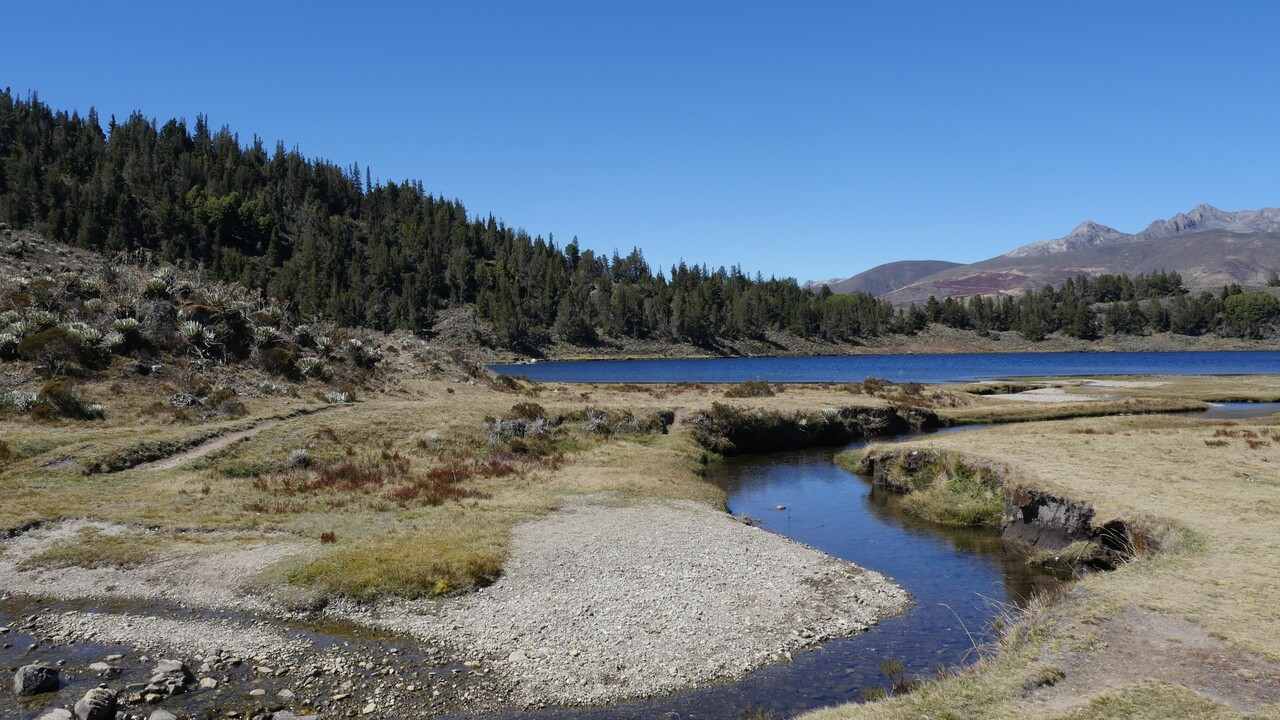
Páramo La Culata, part of the national park of the same name, offers authentic hiking in the Venezuelan Andes, suitable for beginners and experienced trekkers alike. Located 40 minutes northeast of Mérida, this high-alpine landscape features wide valleys and hills dominated by iconic, meter-tall frailejones – endemic plants of the tropical high Andes.
The trailhead at 3,000 meters is the starting point. A short path leads to the ranger station, where registration is required. The classic 5 km route follows a mountain stream, gaining 600 meters in elevation to reach Laguna de Tapada at 3,600 meters – a serene glacial lake surrounded by giant frailejones.
For well-acclimatized hikers, the summit of Pico Pan de Azúcar (4,654 m) is a challenging extension: another 6.5 km and 1,000 meters of ascent, rewarding with panoramic views. Shorter walks also offer a fine impression of the paramo landscape.
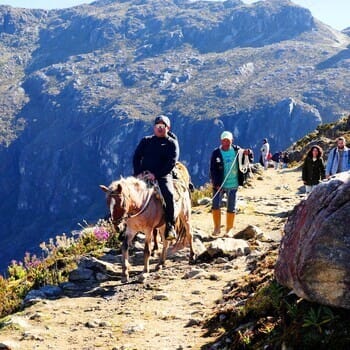
Practical Info: Parking is available at the road's end near a small settlement. Supplies and meals can be found at 'Rincón Andino.' Horses or mules with guides can be arranged.
Timing: Allow 3–4 hours round trip for the lagoon. The full summit tour takes 8–10 hours and requires experience and proper acclimatization.
Best Season: Dry season (December to March); frailejones bloom yellow in November–December.
Gear: Sturdy boots, warm layers, rain/wind jacket, sun protection, sufficient water and food. Acclimatize in Mérida and hike slowly.
This is a protected area – leave no trace, stay on marked trails, and pack out all trash. offers hikes through cloud forest and high moorland. The Bosque Sagrado: Mystical sculptures in the Andean forestBosque Sagrado: Mystical sculptures in the Andean forestIn the Bosque Sagrado (Sacred Forest), woodcarver William Marcano has spent decades carefully carving the faces of deities, mythical figures and Andean inhabitants into the bark of living trees. The result is a magical place where the divine merges with the earthly. What began as a personal vow is now an impressive open-air studio - a natural gallery where myth and reality blend amidst moss-covered features.
The forest is a haven of tranquillity and invites visitors to take contemplative walks. A small restaurant offers refreshments, and simple rooms are also available for guests who wish to linger longer in the mystical atmosphere.
A unique experience for anyone wishing to combine art, spirituality and unspoilt nature off the beaten track.
-
Address: Sector El Playon Alto, Zona Militar, Urb. Los Pinos, Casa Bosque Sagrado El Valle, Merida with its tree carvings is just as much worth a stop as the Casa de Colibrí – Angel del SolCasa de Colibrí – Angel del SolIn the heart of the cloud forest near San Javier del Valle, Michelle and Pascual have transformed their home into a private sanctuary for hummingbirds. Here you can experience a unique and intimate interaction with the iridescent birds, which will flutter around you in swarms. The experience combines gentle nature observation with adventure: alongside a guided hike through the mystical forest, you can take on the hummingbirds' perspective on a three-part zipline ('Vuelo del Colibrí').
Culinary highlights are also on offer with the Criollo gourmet menu or a sweet breakfast amidst the buzzing garden (advance booking required).
The operators are also co-authors of the fascinating illustrated book 'Colibríes de los Andes de Mérida', which portrays the diversity of these unique birds. (The book is available on site.)
-
Address: San Javier del Valle, Mérida
*Tip: Opening hours: Thursday to Sunday, 9.30 am – 4.30 pm (subject to change) , where you can watch HummingbirdsHummingbirdsHardly any other bird captures the magic of the Venezuelan mountains quite like the hummingbirds - those flying jewels with their iridescent plumage and breathtaking flight. Their name originates from the Caribbean; in Venezuela, they are known by the melodious name Tucusito. Hummingbirds hold a special place in the indigenous cultures of Venezuela and throughout the Americas. It is widely believed that they are messengers between the worlds - messengers of the gods, bearers of prayers and dreams.
Venezuela is a true hummingbird paradise: of the more than 300 American species, around 150 are native here - an impressive diversity that makes the northern Andes one of the most species-rich hummingbird regions in the world. Most species live in the tropical rainforests and cloud forests, but they can also be found in cities, and even in the barren landscape of the páramo.
Notable species include the Ruby-throated Hummingbird (Chrysolampis mosquitus), which is widespread across much of Venezuela, the Mérida Hummingbird (Coeligena conradii), which lives in humid mountain cloud forests between 1,500 and 3,000 metres, and the Sword-billed Hummingbird (Ensifera ensifera), whose beak grows to over ten centimetres in length - longer than its entire body. flitting about.
Accommodation
There is a whole range of accommodation along the main route through the valley; we recommend Posada Nidal del RíoPosada Nidal del RíoThis accommodation comes highly recommended: beautiful cabañas (log cabins) with a fireplace, a loft and warm woollen blankets, including a cosy little bed right by the fire. The owner, Julián Calderón, is an architect and has designed this place with great attention to detail.
A real highlight is the neighbour, Arcelio Avendaño, where you can catch your own trout and have it cooked straight away – it doesn't get any fresher than that!
-
Address: Sector La Caña, La Culata, Mérida
Price: €€ and Cabañas El AngelusCabañas El AngelusThis accommodation is a haven for those seeking peace and quiet and for families: beautiful, superbly equipped cabins for 5 to 9 people with breathtaking views of the mountains. The Hernández family's offering is simple: peace and quiet, spotless cleanliness, friendly service and reasonable prices. The personal attention provided by the hosts, Margarita, Francisco and their children, makes for a particularly warm stay.
-
Address: Carretera vía El Valle, sector Los Pinos (Militar), Villa El Angelus, Mérida
Price: €-€€ .
Food and drink
There are plenty of snack bars and stalls; the Tramonto TrattoriaTramonto TrattoriaThis restaurant offers incredibly good, authentic Italian cuisine: both the pizzas and the pasta dishes (tip: the panzerotti!) leave nothing to be desired and are excellent. You should save room for the homemade cakes.
The pleasant and cosy atmosphere is perfectly complemented by the very friendly owner. A real insider tip for a thoroughly enjoyable culinary evening.
-
Address: Carretera vía El Valle, Esquina del Arado B, Sector San Javier del Valle, Mérida
Price: €-€€ .
Leaving Mérida on the Troncal 7 heading east, and having passed the turn-off to the Valle de San Javier, you will come to the following villages in succession
Tabay
Tabay – Gateway to the Sierra Nevada National ParkTabay – Gateway to the Sierra Nevada National ParkTabay is a quiet little town situated on a plateau on the banks of the Río Chama at an altitude of around 1,700 metres. Located just twelve kilometres north-east of Mérida, Tabay is part of the urban catchment area but has retained its tranquil, Andean village character.The town serves primarily as an important starting point for trekking tours and mountain climbs in the adjacent Sierra Nevada National Park. The famous multi-day high-altitude hike, 'La Travesía', to peaks such as Pico Bolívar or Pico Humboldt, begins in the nearby Parque La Mucuy.
Away from the mountain trails, Tabay offers a charming historic centre with Plaza Bolívar and the Church of San Antonio de Padua, rebuilt in the early 20th century. The town is also an excellent place to discover Andean cuisine and local crafts. Here you'll find family-run trout farms such as Truchicultura El Paraiso, traditional producers of the famous smoked cheese and popular restaurants serving regional specialities such as cachapas. a popular starting point for trekking tours in the Sierra Nevada National Park.
Accommodation
We recommend the Estancia Xinia y PeterEstancia Xinia y PeterEstancia Xinia y Peter is located in La Mucuy Baja near Tabay, just a few minutes' drive from Mérida. Xinia and Peter have been running this accommodation with great dedication for 28 years. From humble beginnings, it has developed into a well-run guesthouse with a personal atmosphere.
The guesthouse impresses with its thoughtful furnishings and many personal touches. There is a library and a small chapel. The home-cooked meals are particularly appreciated by guests. The location offers peace and quiet and proximity to nature.
-
Address: La Mucuy Baja, Qta. Xinia y Peter, Tabay, Mérida
Price: €€ .
Food and drink
The Callejón de la CachapaCallejón de la CachapaVisitors all agree: this restaurant deserves the three 'B's' - bueno, bonito y bien precio (delicious, attractive and good value). Consistently cited as one of the best places for cachapas in Mérida, Callejón de la Cachapa in Tabay impresses with its authentic flavours, generous portions and the typically warm Andean hospitality.
Guests appreciate the thick corn pancakes (cachapas), the delicious Andean chicha and other dishes such as soups and fried pork (cochino frito). The restaurant offers a simple, pleasant setting for a quick meal without long waiting times.
-
Address: Tabay, Mérida
Opening hours: daily from 12:00 to 20:00
Price: €-€€ is legendary; La Casa del VientoLa Casa del VientoThe restaurant La Casa del Viento is located in the picturesque La Joya district (Loma de los Suspiros) in La Mucuy. It is the home of Diana Garrido and Juan Lugo, who have transformed their patio with its magnificent views into a small, intimate dining area with around three to four tables.
The culinary concept is personal and homemade. The first course is a tasting of their own specialities, preserved in jars, such as pickled aubergines (berenjenas en escabeche), chimichurri and various antipasti. Where possible, the main courses are prepared using ingredients from their own garden. The menu includes starters, main courses and desserts.
-
Address: Loma de Los Suspiros, Sector La Joya, La Mucuy.
Price: €-€€ is also recommended.
Shopping
Handicrafts: Taller Mis PrincipiosTaller Mis PrincipiosIn Tabay, in the municipality of Mucuy Baja, Mariano Rangel's unique arts and crafts workshop is located at No. 0-19 on the main street. Here, the whole family - Mariano, his wife and their children - are passionately dedicated to the art of woodcarving. Their speciality is religious figures such as angels, Madonnas and depictions of Christ, as well as carved portraits of national heroes and historical figures. However, as Cecilia, one of the daughters, points out, they can produce almost any figure requested by a customer.
Anyone wishing to gain an insight into their work can do so on the blog 'Artesanos de Venezuela'. Those interested can also get in touch directly via Instagram.
-
Address: Calle Principal, House No. 0-19, Mucuy Baja, Tabay, Merida
Opening hours: daily from 8:00 am to 9:00 pm .
Well worth a visit is the trout farm El Paraíso Trout FarmEl Paraíso Trout FarmThe El Paraíso trout farm in Mucunutan has a long tradition. It was founded by the Leon family, who were among the pioneers of trout farming in Merida in the 1950s. Today, Myriam Leon Mujica runs the business and continues her father's legacy. Despite difficult times, the farm has never closed and continues to produce high-quality trout.
The farm prides itself on first-class products, including trout with a salmon-like appearance ('salmonadas'). The staff take pride in their work and the well-maintained facilities. The Leon family stands for the steadfast development and continuation of an important culinary heritage of the region.
-
Address: Mucunutan, Merida
Mucurubá
The village of MucurubáMucurubáNestled in the foothills of the Sierra Nevada de Mérida at an altitude of 2,407 metres lies the peaceful Andean village of Mucurubá, just around 32 kilometres from the city of Mérida. Its cool, dry climate (average 16.5 °C) and fertile soils form the basis for a rich agricultural tradition that shapes the surrounding landscape and the village itself.
For culinary explorers, the KQT Bistro, situated on the other side of the river, is an absolute insider's tip. Here, regional produce can be sampled right on the spot. The Estancia La Cañada is the perfect choice for a relaxing stay. Those who prefer a more active holiday will find Casa Kuruba the perfect choice.
A highlight of the annual calendar is the impressive tradition of 'Las Velas de Mucurubá' on 8 December. In honour of the patron saint, the Inmaculada Concepción, the locals light up the streets and the plaza with over 15,000 candles – a unique spectacle of community spirit and devotion that has attracted visitors every year since 1974.
Mucurubá is a worthwhile destination for travellers seeking authentic Andean culture, culinary delights and scenic beauty off the beaten track. is known for its agriculture and the annual candle festival ‘Las Velas de Mucurubá’ (8 December).
Accommodation
Estancia La CañadaEstancia La CañadaEstancia La Cañada is more than just accommodation: it is a home in the mountains created with great dedication. The family-run establishment impresses with its cosy rooms and cabañas, built from stone and wood, nestled in lush gardens against the iconic backdrop of the Sierra Nevada National Park. The peaceful setting and warm hospitality create the perfect atmosphere for unwinding.A particular highlight is spending time together by the crackling open fire in the evening, as well as the hearty dinners and generous breakfasts.
-
Address: Carretera Trasandina, Escagüey, between Cacute and Mucurubá, Mérida
Price: €€ and Casa KurubaCasa KurubaCasa Kuruba is a charming accommodation in the Páramo. The house impresses with its excellent location between the fascinating high-mountain landscapes and the city of Mérida, its elegant and well-maintained interior, and impeccable service. The combination of a cosy atmosphere and first-class food makes for an all-round successful stay.
As an established tour operator, it is also one of the first ports of call for active holidaymakers wishing to undertake guided adventure tours in the surrounding mountains.
-
Address: Escagüey 5129, Mérida
Price: €€ (also tour operators)
Food and drink
KQT BistroKQT BistroThe KQT Bistro is more than just a restaurant: it is a culinary labour of love for the Machado family. Located in their own home, the bistro impresses with authentic, home-cooked cuisine and a cosy atmosphere, all delivered to a highly professional standard. Here, regional ingredients are lovingly transformed into dishes such as risottos, lamb and succulent desserts. Advance booking required.Many of their own products are also available for purchase. From mature and fresh cheeses to jams and an irresistible dulce de leche, right through to creatively flavoured mustard specialities, everything is a delight.
-
Address: Cacute, immediately after entering the village, go through the arch and cross the bridge.
Price: €€ (by prior arrangement only)
Mucuchíes
Mucuchíes: An ideal stop on the Andean routeMucuchíes: An ideal stop on the Andean routeSituated at an altitude of around 3,000 metres, the village is one of the most famous stops along the Trasandina route. Mucuchíes charms visitors with its picturesque narrow streets and distinctive architecture - including the medieval-style Hotel Castillo San Ignazio at the entrance to the village. Also worth seeing is the Iglesia de Santa Lucía (1887) on Plaza Bolívar. For a typical Andean meal, it's well worth a visit to the family-run restaurant La Toscana - a culinary institution since 1963.The surrounding area is home to several national parks as well as the Aguas Termales La Musui, a popular destination for day trips. For accommodation with panoramic views, the Balcones de la Musui is an excellent choice. Of historical significance is the Monumento al Perro Nevado, situated on the left-hand side of the Trasandina road when coming from Mérida. It commemorates Simón Bolívar's faithful four-legged companion - a dog of the Mucuchíes breed, traditionally used as tireless herding dogs in the Venezuelan Andes and officially declared Venezuela's national dog in 1964. The name of the breed and the region derives from the indigenous language: from the words 'Mucu' (place) and 'Chía', the goddess of the moon.
Mucuchíes is ideal as a stopover on the Andean route, for nature and hiking activities, and for travellers interested in culture and architecture.. Another tranquil Andean village with a church well worth seeing, the Iglesia de Santa Lucía. On the outskirts of the village stands the Monumento al Perro NevadoMonument to NevadoOn the Trasandina, not far from Merida, stands this moving monument to Nevado - Simon Bolivar's faithful four-legged companion in the struggle for independence. The dog, a Mucuchi of the Andean breed, was given as a gift in 1813 and accompanied the Liberator through numerous battles, meeting his death on 24 June 1821 in the decisive Battle of Carabobo. His breed was declared the national dog of Venezuela in 1964.
The life-size sculpture depicts the dog Nevado at the side of the farmer Vicente Pino, who once gave him to Bolivar. The multi-tiered monument, with its small plaza and stone benches, invites visitors to linger and honours not only a dog, but the timeless values of loyalty and devotion.
-
Price: Free. A 45-minute hike takes you to the hot springs of Aguas Termales La MusuiAguas Termales La MusuiTooltip content.
Accommodation
The Hotel Castillo San Ignazio de MéridaHotel Castillo San Ignazio de MéridaThe hotel stands out for its striking architecture: inspired by the Italian castle of Marostica, this medieval-style building dominates the entrance to the village of Mucuchíes.
Completed in 1990, the property now offers 30 rooms, a restaurant, extensive green spaces and an event hall. The atmosphere is characterised by a blend of rustic cosiness and unusual architecture.
-
Address: Av. Carabobo, on the way into Mucuchíes, Mérida 5130
Price: €€-€€€ offers accommodation in a castle.
The Balcones de la MusuiBalcones de la MusuiThe accommodation has 18 rooms and offers panoramic views of the mountain landscape. Facilities include communal areas such as a dance hall, a pool table, a boules court and a barbecue area. Horses are available for rides and thermal springs are located nearby.
-
Address: Carretera Trasandina, sector La Musui, between Mucuchíes and Mucurubá
Price: €€ is situated right next to the hot springs.
Food and drink
The restaurant La ToscanaLa ToscanaSince 1963, this family-run restaurant has been a trusted institution on the Trasandina in Mucuchíes. Founded by the mother of the current owner, Renata, it is now run by the third generation.
The traditional Andean cuisine, once prepared by the legendary cooks Enedina and Ernesta, is continued here with the same dedication, offering hikers and travellers an authentic, warm welcome.
-
Address: Calle Independencia, Mucuchíes, Mérida
Price: €-€€ has been serving traditional Andean cuisine since 1963.
Gavidia
Gavidia: In the highlands of the AndesGavidia: In the highlands of the AndesThe village of Gavidia lies at over 3,200 metres in the Sierra Nevada de Mérida. As one of the highest settlements in Venezuela, it offers an insight into traditional life in the Andean highlands, the Páramo. The community lives mainly from agriculture, with livestock farming (cows, sheep, goats) and the cultivation of potatoes, carrots, garlic, wheat and barley.A popular destination is the Laguna Negra de Gavidia, which can be reached after a walk of about an hour from the village. The hike leads through a characteristic landscape featuring frailejones. The primary school, the highest in the whole country, is located in the hamlet of Mirachache. An important agricultural project for the conservation of biodiversity is the cultivation and seed propagation of native potato varieties (pápas nativas) in the hamlet of Los Chispiaderos. An experienced contact is Navor Balsa from Refugio Mitanti, who is also involved in various village projects.
Accommodation is available at the family-run Refugio Mitanti and the Mucuposada Michicabá. Be sure to book in advance!. This secluded village, situated at an altitude of around 3,200 metres, can be reached via a gravel track. The Laguna Negra de Gavidia is ideal for a hike, and the village is renowned for its traditionally produced Smoked Cheeses (queso ahumado)Smoked CheesesIn Gavidia, Marino and Ana produce the famous smoked cheese of the Andes (queso ahumado) using traditional methods. Every day they milk their eight cows and process the milk at home. The curd is pressed with stones for a day and wrapped in leaves from the Frailejón plants.
The actual smoking takes place over a wood fire, also made from Frailejón wood, in a special smoking hut in the courtyard. The cheese wheels are smoked until they take on a characteristic golden-yellow colour. The finished smoked cheese is traditionally served with wheat arepas (arepitas de trigo)..
Accommodation
The Refugio MitantiRefugio MitantiThe owner, Navor Balsa, is actively involved in the village community and has an excellent network of contacts. He knows the area like the back of his hand. The refuge is beautifully situated on a hillside with direct views of the valley and the mountains. The food is plentiful, all very tasty and, of course, homemade. Several double rooms are located in a separate part of the building.
-
Address: Gavidia and the Mucuposada MichicábaMucuposada MichicábaMaría Rosalía Hernández is the owner and a cheerful, exemplary hostess. The river flows calmly and slowly past the house; the water is clear and ice-cold. Behind the house and to the sides, all you can see are mountains. It is an Andean valley with clear skies and Frailejones in the distance. Delicious food that is never repeated, all healthy, tasty, homemade and served in the dining room of her house. Small cottages next door with the rooms.
-
Address: Gavidia are small, family-run establishments that also offer meals. Advance booking is recommended.
San Rafael de Mucuchíes
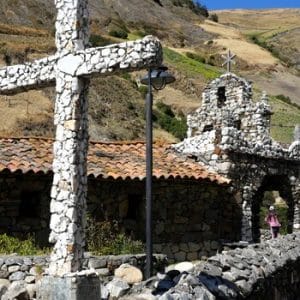 San Rafael de Mucuchíes – Venezuela’s highest villageSan Rafael de Mucuchíes – Venezuela's highest villageAt an altitude of 3,140 metres, nestled in the impressive Sierra de Santo Domingo, lies San Rafael de Mucuchíes – officially the highest settlement in Venezuela. The small settlement stretches across a fertile plateau along the Transandina and is traversed by the clear waters of the Río Chama. Surrounded by snow-capped peaks and glistening lagoons, the village is a popular stopover, particularly due to the picturesque Capilla de Piedra. Young Mucuchíes puppies are often on sale right nearby – that famous breed of dog which accompanied Simón Bolívar on his campaigns and has been declared the national dog of Venezuela.
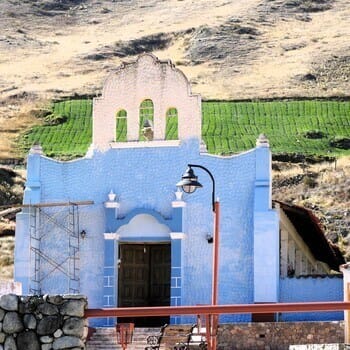
Nature north of San Rafael is celebrating a very special anniversary: majestic condors, which had not been seen in the Venezuelan Andes for over five decades, have once again settled in the high mountain regions. Behind the tranquil Laguna La Cura, at the foot of the striking Pico Pan de Azúcar, they are now once again circling the skies – an unforgettable spectacle for hikers and nature lovers.. Continuing along the main road, the next stop is San Rafael de Mucuchíes, famous for its Capilla de Piedra – The stone heart of the páparamoCapilla de Piedra – The stone heart of the páparamoOn the eastern outskirts of San Rafael de Mucuchíes, on the road to Apartaderos, lies one of Venezuela's most moving works of art: the Capilla de Piedra. The small chapel appears as though it has grown directly out of the Andean soil - and that is precisely what it is.
It was built between 1980 and 1984 by Juan Félix Sánchez (1900-1997), a local-born artist and mystic who preserved the traditions of his homeland throughout his life. Without any building plans, using only stones from the river, shells, coral and sheer determination, he created this unique place of worship together with Epifanía Gil and residents of San Rafael and El Tisure. Every stone was laid by hand - a work of simple beauty and deep spirituality. It was consecrated on 18 February 1984 and is now considered a Venezuelan cultural heritage site.
Right next to the chapel stands the Museo de Los Andes 'Benigno y Vicenta Sánchez', housed in the former home of Juan Félix Sánchez. It preserves personal belongings, photographs and a large part of his artistic oeuvre.
Anyone visiting San Rafael should take the time to visit this peaceful spot. . In the immediate vicinity, along the main road, The Mucuchíes puppiesThe Mucuchíes – Venezuela's loyal national dogThe Mucuchíes, named after the town of Mucuchíes in the state of Mérida, is Venezuela's only recognised dog breed and was officially declared the national dog in 1964. These robust, imposing dogs are typical mountain and herding dogs: for generations they have been bred in the Venezuelan Andes to herd livestock and guard farms - a task that is still evident today in their watchful yet gentle nature. The breed became famous above all through Simón Bolívar's faithful companion, Nevado. The Liberator was given the dog as a gift by a farmer in San Rafael de Mucuchíes during the Campaña Admirable (1813). Nevado accompanied Bolívar into numerous battles and once saved his life by resolutely fending off an attacker.
Mucuchíes dogs are large (55-72 cm, 30-50 kg), sturdy and have a pleasantly imposing appearance. Their thick coat is usually white with black or honey-coloured markings. They are considered intelligent and affectionate towards their owners, but remain reserved towards strangers - a natural protective instinct that reflects their origins as herding and guard dogs.
In the 20th century, the Mucuchí population was seriously threatened. The cause was the Venezuelan oil boom, which drew many people from the Andes to the cities and led to a decline in traditional agriculture with its herds - and with it the demand for herding dogs. To save the breed from extinction, the 'Friends of the Mucuchí' have been working to preserve it since 1961, with breeding stations in Caracas and Mérida. In 2023, purebred Mucuchíes were certified by the Federación Canina de Venezuela (FCV) for the first time in many years. are offered for sale. North of the village, the The Andean CondorThe Condor – Majestic Guardian of the AndesThe Andean condor (Vultur gryphus) is far more than a bird - it is a sacred symbol for indigenous peoples and a silent guardian of nature. With a wingspan of up to 320 cm and a weight of 15 kg (females 8-11 kg), it is one of the world's largest flying birds and the heaviest bird of prey, living over 50 years in the wild. For millennia, it has been revered by Andean cultures, including the Timoto-Cuicas, as a mediator between earth and heaven - connecting the human realm (Kay Pacha) with the divine (Hanan Pacha) and carrying souls to the afterlife. Alongside the puma (earth) and the snake (underworld), it completes Andean cosmology.
In the 20th century, condor populations collapsed sharply - in Venezuela, the species was even thought extinct. The main cause, then and now, is illegal hunting by farmers who falsely believe condors attack livestock; in truth, they are harmless scavengers. Poisoning from baited carcasses and habitat loss also contributed. However, since the 1990s, breeding centres like those in the Mifafi Valley and Parque Zoológico Chorros de Milla have worked on reintroduction. Their efforts paid off: in 2025, wild condors were sighted in the Venezuelan Andes for the first time in over fifty years - a hopeful return that proves the protection of these sacred birds is worthwhile. was successfully reintroduced into the wild in 2025.
Hato del Llano
Hato del LlanoHato del LlanoThe small village of Hato del Llano lies at an altitude of around 3,400 metres and is the last settlement before the observatory. It consists of a few simple houses lined up along the only road and seems as if it has been left behind by time. The thin air and the barren landscape with its typical páramo vegetation characterise the scene. Here, people live mainly from agriculture and the growing tourism that comes to the village due to its proximity to the observatory.It is well worth a short detour to experience the peaceful, almost meditative atmosphere of this high-altitude Andean village.. The last village before the famous Observatorio Astronómico Nacional Llano del HatoLlano del Hato National Astronomical ObservatoryThis observatory, beautifully situated in the Andes, comes highly recommended for anyone fascinated by the mysteries of the universe: the Observatorio Astronómico Nacional de Llano del Hato, often simply referred to as the Astrofísico de Mérida. Situated at an altitude of 3,600 metres in the Venezuelan Andes, it is one of the highest observatories in the world. Its unique location near the equator offers a rare view of the skies of both hemispheres, the Northern and Southern Hemispheres.
A real highlight is the technical equipment: the observatory has four domes housing historic and high-precision telescopes, including a large refractor (65 cm aperture) and a reflector (1 metre diameter) – both instruments from the renowned German firm Carl Zeiss. The absolute highlight is a night-time observation tour. When darkness falls over the Andes and the sky above you glows with a breathtaking sea of stars, you'll forget for a moment the thin, clear mountain air. Looking through the gigantic telescopes and seeing Saturn's rings or Jupiter with your own eyes is an unforgettable feeling. Temperatures drop to between 5 and 12 degrees at night – so be sure to pack warm clothes!
-
Address: Llano del Hato, Via Apartaderos-Puerto Nuevo, Mérida
Opening hours: Thursday to Saturday, 3 pm – 7 pm (no entry after 7 pm) at an altitude of 3,600 metres. Guided tours, night-time observations and an interactive museum (MACE) are on the programme.
Accommodation
Overnight stays are possible at the Llano del Hato National Astronomical ObservatoryLlano del Hato National Astronomical ObservatoryThis observatory, beautifully situated in the Andes, comes highly recommended for anyone fascinated by the mysteries of the universe: the Observatorio Astronómico Nacional de Llano del Hato, often simply referred to as the Astrofísico de Mérida. Situated at an altitude of 3,600 metres in the Venezuelan Andes, it is one of the highest observatories in the world. Its unique location near the equator offers a rare view of the skies of both hemispheres, the Northern and Southern Hemispheres.
A real highlight is the technical equipment: the observatory has four domes housing historic and high-precision telescopes, including a large refractor (65 cm aperture) and a reflector (1 metre diameter) – both instruments from the renowned German firm Carl Zeiss. The absolute highlight is a night-time observation tour. When darkness falls over the Andes and the sky above you glows with a breathtaking sea of stars, you'll forget for a moment the thin, clear mountain air. Looking through the gigantic telescopes and seeing Saturn's rings or Jupiter with your own eyes is an unforgettable feeling. Temperatures drop to between 5 and 12 degrees at night – so be sure to pack warm clothes!
-
Address: Llano del Hato, Via Apartaderos-Puerto Nuevo, Mérida
Opening hours: Thursday to Saturday, 3 pm – 7 pm (no entry after 7 pm) subject to prior booking.
Trasandina (Barinas – Apartaderos)
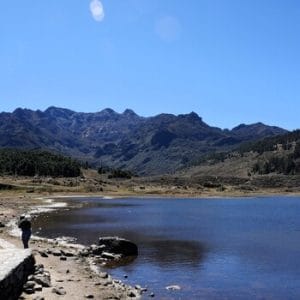 San Rafael de Mucuchíes – Venezuela’s highest villageSan Rafael de Mucuchíes – Venezuela's highest villageAt an altitude of 3,140 metres, nestled in the impressive Sierra de Santo Domingo, lies San Rafael de Mucuchíes – officially the highest settlement in Venezuela. The small settlement stretches across a fertile plateau along the Transandina and is traversed by the clear waters of the Río Chama. Surrounded by snow-capped peaks and glistening lagoons, the village is a popular stopover, particularly due to the picturesque Capilla de Piedra. Young Mucuchíes puppies are often on sale right nearby – that famous breed of dog which accompanied Simón Bolívar on his campaigns and has been declared the national dog of Venezuela.
Nature north of San Rafael is celebrating a very special anniversary: majestic condors, which had not been seen in the Venezuelan Andes for over five decades, have once again settled in the high mountain regions. Behind the tranquil Laguna La Cura, at the foot of the striking Pico Pan de Azúcar, they are now once again circling the skies – an unforgettable spectacle for hikers and nature lovers.
The Carretera Trasandina (Barinas – Apartaderos)Trasandina (Barinas – Apartaderos)A Winding Symphony: The Trasandina Route from Lowlands to Highlands
The roughly 100 km of the Carretera Trasandina from Barinas up to Apartaderos are more than just a major road – it is a breathtaking journey conquering over 3,000 meters of elevation, with landscapes shifting from tropical lowlands to the cool, mystical páramo. This classic Venezuelan route is a must for exploring the Andes authentically.
The drive starts in Barinas, straight to Barinitas, then turns into a winding, well-paved mountain road that follows the natural contours of the hills. Each bend reveals waterfalls, dramatic light on the slopes, cultivated fields, and eventually the first solitary frailejones – signaling arrival in the páramo.
About 60 km in, Cascada El Velo de la Novia invites for a refreshing dip. Shortly after, Mirador Las Piedras offers a perfect rest stop with stunning views. Near the Las Piedras turnoff lies the recommended Cabañas Mi Querencia.
The road climbs to Santo Domingo (2,000 m), which offers good tourist infrastructure. From here, the route rises steeply, passing the pass at about 3,500 meters, where a turnoff leads to Laguna de Mucubají – a highlight. At the lakeside restaurant, try the excellent Pisca andina and hearty pastelitos andinos.
You then reach Apartaderos, a practical base for highland excursions. Nearby, Marcus Tobía, a Venezuelan Everest summiteer, runs Escuela De Montaña Sagarmatha, offering accommodation and guided mountain tours.
Practical Tips: Allow at least 3 hours driving time plus 2–3 hours for stops. A standard car suffices, but a nimble vehicle helps on the curves. Drive calmly and don't rush.
Temperatures drop sharply – dress in layers and bring a warm jacket, hat, and gloves. Acclimatize to the altitude, drink plenty of water, and avoid strenuous activity and alcohol during the first hours at high elevation. connects the lowlands of the Llanos with the Páramo, climbing over 3,000 metres in altitude over a distance of just under 100 km. Along the route there are several worthwhile stops, such as the Cascada El Velo de la NoviaCascada El Velo de la NoviaThis picturesque waterfall - 'The Bride's Veil' - on the road from Barinitas to Mérida is a popular and easily accessible stop on the journey up into the Andean highlands. Its name stems from a tragic legend: a Spanish conquistador abducted Princess Nube Blanca from the Miyoi people. She fell in love with him, but her people brought her back, as they did not accept the union. In despair, she took her own life at the waterfall. Even today, it is said, the falling water forms the white veil of the unfortunate bride.
The narrow waterfall, some 50 metres high, plunges over a rock face and fills the surrounding air with a refreshing mist. The ice-cold mountain water, the fresh air and the lush vegetation of the wooded area create an inviting atmosphere. The area is clean and well-maintained, making it perfect for a short break or a stroll.
Practical information: Access to the viewpoint is easy, though caution is advised as parts of the handrails on the steps were recently missing. There is an opportunity to swim in the cool pool at the base of the waterfall.
Those wishing to stay longer will find accommodation a few kilometres further on towards Las Piedras, for example at the Cabañas mi Querencia.
Even though the waterfall is not one of the very highest, a visit is a worthwhile and pleasant experience for enjoying the natural beauty of this typical mountain region., the Mirador Las PiedrasMirador Las PiedrasThis viewpoint is perfect for a breather with spectacular views. Located less than 60 km past Barinas and just about a kilometre past the Cascada El Velo de la Novia, it invites you to take a break with its simple kiosks. The panoramic view is considered one of the highlights of the entire route.
At the centre of the view lies the emerald-green Santo Domingo reservoir (Represa José Antonio Páez), nestled in the deep valley of the river of the same name. The surrounding high valleys and mountain villages – such as the picturesque Las Piedras – come together to form a typical Andean panorama.
*Tip: You can park your car here without any problems. If you’d like to stay in the area for longer, you’ll find the highly recommended accommodation Cabañas Mi Querencia nearby, at the turn-off to Las Piedras. and, as a highlight, the Laguna de MucubajíLaguna de MucubajíAt an altitude of 3,540 metres lies Laguna de Mucubají - one of the largest and most accessible glacial lagoons in the Venezuelan Andes. Its name means 'place of great water' in the indigenous language, and a visit is an absolute must on any trip to the Andes. A place of unspoilt beauty that allows you to feel the majestic power of this mountain landscape.
The lagoon is a remnant of the last ice age and is around 10,000 years old. The emerald-green water, framed by the barren, surreal beauty of the páramo and the characteristic frailejones ('monk plants'), offers a breathtaking photo opportunity. The air here is always fresh, often cold and windy; warm clothing is essential.
An easy, well-marked circular trail (approx. 45 minutes) leads directly around the lake and is suitable for everyone. For the more adventurous, there are more challenging trails, such as the route to the higher-altitude Laguna Negra or even the ascent of Pico Mucuñuque (4,609 m). From the eastern side of the lagoon, guided excursions on horseback or by mule can be undertaken. (45-minute circular walk). In Santo DomingoSanto DomingoSanto Domingo lies at an altitude of around 2,100 metres, a central location on the Trasandina and the ideal stop for acclimatisation. As the main town of the Municipality of Cardenal Quintero, the village offers a well-developed tourist infrastructure and serves as an important agricultural centre for the region.
Life here revolves around two main activities: tourism and agriculture. Santo Domingo is known as the 'capital of trout' (Trucha), and a dish featuring freshly farmed trout – often combined with the region's mushrooms – is a culinary must. The fertile slopes and valleys also provide a large proportion of the national potato harvest, as well as various vegetables and berries.
With its mild climate (average ~16 °C) and a wide selection of family-run posadas as well as comfortable hotels such as the Trucha Azúl, Santo Domingo is the perfect base for travellers. From here, you can set off on excursions into the surrounding countryside. The emerald-green Santo Domingo reservoir (Represa José Antonio Páez), fed by the river of the same name, dominates the landscape and can be admired from the nearby Mirador Las Piedras.
Visitors here at the end of September can experience the colourful festival in honour of the patron saint San Jerónimo, a tradition dating back to the 17th century. For an overnight stay away from the higher páramo areas, Santo Domingo is the best choice. there is a wide selection of restaurants and accommodation.
Accommodation
The popular Hotel Trucha AzúlHotel Trucha AzúlThis hotel is more than just a place to stay: the spacious complex - including a restaurant, nightclub and function rooms - is beautiful and, with its magnificent gardens, stunning views and pleasantly cool climate, invites you to linger. The rooms are spacious and attractively designed, and the quiet location is very pleasant.
An absolute highlight is the cuisine, featuring delicious trout specialities from the region.
-
Address: Carretera Nacional Barinas - Merida, Santo Domingo, Mérida in the centre of Santo Domingo always has a room available.
Food and drink
At the Refugio MucubajíRefugio MucubajíThis restaurant at the entrance to Laguna Mucubají has been serving traditional Venezuelan mountain cuisine in a rustic atmosphere since 1959. We particularly recommend the hearty Pisca andina, the Pastelitos andinos as a light snack, and the hot chocolate.
The menu ranges from classic dishes such as fresh trout (Trucha), crispy Cochino frito (roast pork) and hearty Sancocho cruzado (stew) to a full lunch menu with soup, a main course, juice and dessert. Typical Merida sweets are ideal to take away or as a gift, as is the smoked, vacuum-packed trout – the house speciality.
-
Address: At the entrance to La Laguna Mucubaji, Mérida
Price: €-€€ , Pastelitos AndinosPastelitos AndinosThese savoury pastries are popular throughout the Andean region of Venezuela, particularly in the states of Mérida, Táchira and Trujillo. The exact filling can vary from place to place.
The basic components are a wheat pastry shell and a savoury filling made from seasoned minced meat, chicken or cheese. Depending on the region and personal preference, ingredients such as peppers, onions, raisins or olives are added to the filling.
Pastelitos Andinos are a versatile snack enjoyed at any time of day – as a hearty breakfast, a quick midday snack or evening tapas. They are typically deep-fried and served hot, often with a spicy sauce such as 'salsa picante' or 'salsa de ajo'. and a warming Pisca AndinaPisca AndinaThis hearty milk soup is popular throughout the Andean region, particularly in the states of Mérida, Táchira and Trujillo. The exact ingredients vary from region to region. The basic ingredients are a broth as rich as possible, milk, egg and white, unsalted cheese. Depending on the region, potatoes or rice are then added. Pisca Andina can be eaten at any time of day, especially in the morning when temperatures in the mountains are still low. It is a good source of protein and is vegetarian. It goes well with a (wheat) arepa.
Pisca Andina recipe
Ingredients for four people: 1 l strong stock; 4 potatoes; 200 g white, unsalted cheese; 1 spring onion; 3 garlic cloves; 2 tbsp butter; 1 l whole milk; 2 sprigs of fresh coriander; salt; pepper; 4 eggs
Method: 1.) Finely dice the potatoes and cheese, chop the garlic and coriander very finely, and slice the spring onion thinly. 2.) Pour the stock over the diced potatoes and cook until the potatoes are soft, then reduce slightly. Meanwhile, sauté the spring onions and garlic. 3.) Add the milk, bring to the boil, stirring well. Add the diced cheese, spring onions and garlic. Crack the eggs, whisk them and add to the soup. Season to taste with salt and pepper, ladle into bowls and garnish with the coriander. await.
Apartaderos
Apartaderos – A practical base in the heart of the AndesApartaderos – A practical base in the heart of the AndesApartaderos, situated at an altitude of around 3,300 metres, is a hub for any traveller in the Andes. The place presents itself less as an idyllic mountain village and more as a functional roadside town along the legendary Trasandina. Here you will find all the essential amenities for continuing your journey, including a petrol station.There are several simple lodgings, often equipped with heating and plenty of woollen blankets (as temperatures can drop below freezing at night), as well as large souvenir shops selling typical Andean products and rustic restaurants. A particularly popular and unmissable stop is Embutidos El Águila, where excellent homemade sausage and cheese specialities can be sampled and purchased right by the roadside.
The real fascination, however, lies in the breathtaking high-mountain surroundings. Nestled within the unique vegetation of the páramo and situated at the watershed of three major valleys, the landscape around Apartaderos offers a rugged beauty. From here, trips to the nearby Llano del Hato National Observatory are a must for night-time stargazing in crystal-clear air. At the same time, the village serves as an ideal starting point for trekking tours. For ambitious mountaineers and hikers, the Escuela de Montaña Sagarmatha offers not only organisation and guidance, but also its own accommodation facilities. serves as a sort of transport hub and regional supply centre in this part of the Andes. Alongside countless souvenir shops, restaurants and posadas, there is also a petrol station here. The journey time to Mérida from here is around three hours.
Accommodation
The Escuela De Montaña SagarmathaEscuela De Montaña SagarmathaSituated at an altitude of 3,550 metres, this mountaineering school was founded by Everest conqueror and architect Marcus Tobía and serves as a training centre for children and adults. The entire camp, from the wooden furniture to the architecture, was designed and built by him personally. The facilities are functional and practical: sturdy mattresses, warm sleeping bags, shared bathrooms with a reliable hot water supply and a well-equipped kitchen. The excellent cooks prepare local specialities.
The programme focuses on alpine education, teamwork and pushing personal boundaries. The site includes camping areas around Frailejones, as well as opportunities for hiking and mountain biking. The centre is run by a friendly team, who also provide the catering. The location offers views of the snowfields of the Águilas Blancas and direct access to the high mountains.
Particularly suitable for motivated independent travellers and groups seeking a hands-on mountain experience.
-
Address: Apartaderos, Mérida
Price: €€ is not merely accommodation, but also has a reputation as a hiking and trekking centre far beyond the region.
Collado del Cóndor
The Collado del Cóndor: the highlight of the Andean RoadThe Collado del Cóndor: the highlight of the Andean RoadThe Condor Pass, also known as Pico El Aguila, is the highest point on the paved Carretera Trasandina in Venezuela at 4,118 metres. It is situated in the Sierra de La Culata National Park and is a must-see stop for all travellers.A bronze condor monument from 1925 commemorates Simon Bolivar's heroic forced march through the inhospitable high mountains, the Campaña Admirable, in 1813, during which he was able to capture Merida, Trujillo and Caracas without a fight. It symbolises the 'breath of freedom' which - as the inscription states - swept over these mountains to liberate the country.
On site, small kiosks and simple restaurants offer hot drinks (hot chocolate) and regional snacks (smoked cheese, sausages, sweets) - a welcome pick-me-up in the cool temperatures, which average around 5°C and can drop below freezing in winter. Sturdy clothing is highly recommended due to the windy, often foggy climate. Due to the low oxygen levels at this altitude, strenuous physical activity should be avoided.
This spot is also the starting point for the country's highest road, the spectacular side road leading to picturesque Pinango: the route climbs to an altitude of up to 4,300 metres, offering breathtaking views of the Paramo La Culata, and finally ends in Pinango at a good 2,300 metres.. The Condor Pass, at 4,118 m the highest point of the Transandina, lies in the Sierra de La Culata National Park. There are kiosks selling snacks and hot drinks (chocolate caliente). Here the route branches off towards Piñango, where the Refugio de CóndorRefugio de CóndorRefugio del Cóndor
High in the Páramo de Mifafí lies the Refugio del Cóndor, a conservation station dedicated to breeding and reintroducing the Andean condor – the largest flying bird in the world. For a long time, there were no wild condors left in Venezuela. However, since 2025, a wild condor pair has made this region their home again – a major success for conservation efforts. In addition, about ten other specimens live at the refuge, including 'El Combatiente' (The Fighter), a majestic 17-year-old male.
Seeing these birds up close is impressive – and you might even spot the free-flying pair circling in the sky.
The station is easy to reach and open during daytime hours. Staff from the national park authority are happy to explain their work on site.
Getting there: From the INPARQUES national park administration post on the main road between Apartaderos and the Condor Pass, turn off toward Mifafí. After about five minutes on a paved road, you will reach the station.
Opening hours: Daily from 7:00 AM (daytime hours). is situated.
Refugio del Cóndor
Refugio del CóndorRefugio del CóndorHigh up in the Páramo de Mifafí lies the Refugio del Cóndor, a conservation centre for the breeding and reintroduction of the Andean condor - the world's largest flying bird. For a long time, there were no more wild condors in Venezuela. But since 2025, a wild pair of condors has once again made this region their home - a major success for conservation efforts. In addition, around ten other birds live at the refuge, such as 'El Combatiente' (the fighter), a stately 17-year-old male.Seeing the birds up close is impressive - and you might even spot the free-flying pair circling in the sky.
The station is easily accessible and open during the day. Staff from the National Park Authority are happy to explain their work on site.
-
How to get there: From the INPARQUES national park office on the main road between Apartaderos and the Condor Pass, turn off towards Mifafí. After about five minutes' drive along a tarmac road, you will reach the station.
Opening hours: daily from 7:00 am (during the day) – Just before reaching the Collado del Cóndor, a paved track branches off to this breeding station for Andean condors.
From The Collado del CóndorThe Collado del Cóndor: the highlight of the Andean RoadThe Condor Pass, also known as Pico El Aguila, is the highest point on the paved Carretera Trasandina in Venezuela at 4,118 metres. It is situated in the Sierra de La Culata National Park and is a must-see stop for all travellers.
A bronze condor monument from 1925 commemorates Simon Bolivar's heroic forced march through the inhospitable high mountains, the Campaña Admirable, in 1813, during which he was able to capture Merida, Trujillo and Caracas without a fight. It symbolises the 'breath of freedom' which - as the inscription states - swept over these mountains to liberate the country.
On site, small kiosks and simple restaurants offer hot drinks (hot chocolate) and regional snacks (smoked cheese, sausages, sweets) - a welcome pick-me-up in the cool temperatures, which average around 5°C and can drop below freezing in winter. Sturdy clothing is highly recommended due to the windy, often foggy climate. Due to the low oxygen levels at this altitude, strenuous physical activity should be avoided.
This spot is also the starting point for the country's highest road, the spectacular side road leading to picturesque Pinango: the route climbs to an altitude of up to 4,300 metres, offering breathtaking views of the Paramo La Culata, and finally ends in Pinango at a good 2,300 metres. The spectacular, 40 km-long route from the Condor Pass to Piñango is the highest road in Venezuela that can be driven on by a ‘normal’ car. With a bit of luck, you can see The Condor – Majestic Guardian of the AndesThe Condor – Majestic Guardian of the AndesThe Andean condor (Vultur gryphus) is far more than a bird - it is a sacred symbol for indigenous peoples and a silent guardian of nature. With a wingspan of up to 320 cm and a weight of 15 kg (females 8-11 kg), it is one of the world's largest flying birds and the heaviest bird of prey, living over 50 years in the wild. For millennia, it has been revered by Andean cultures, including the Timoto-Cuicas, as a mediator between earth and heaven - connecting the human realm (Kay Pacha) with the divine (Hanan Pacha) and carrying souls to the afterlife. Alongside the puma (earth) and the snake (underworld), it completes Andean cosmology.
In the 20th century, condor populations collapsed sharply - in Venezuela, the species was even thought extinct. The main cause, then and now, is illegal hunting by farmers who falsely believe condors attack livestock; in truth, they are harmless scavengers. Poisoning from baited carcasses and habitat loss also contributed. However, since the 1990s, breeding centres like those in the Mifafi Valley and Parque Zoológico Chorros de Milla have worked on reintroduction. Their efforts paid off: in 2025, wild condors were sighted in the Venezuelan Andes for the first time in over fifty years - a hopeful return that proves the protection of these sacred birds is worthwhile. circling here on the northern edge of the Páramo La Culata.
Timotes
Timotes: the hidden paradise of the AndesTimotes: the hidden paradise of the AndesIf you travel from Mérida towards Valera and Trujillo, you'll pass through the hidden paradise of the Andes: Timotes. A charming, authentic farming village with around 18,000 inhabitants, it offers a direct insight into the way of life and annual festivals of this special region of Venezuela. Situated at an altitude of 2,025 metres, it enjoys a pleasant, cool climate all year round, with an average temperature of 16 °C.Here, in the heart of the Venezuelan Andes, life is shaped by an independent and proud farming community. Long before the arrival of the Europeans (in the mid-16th century), the Timoto people were practising highly developed agriculture here in the high mountains. Maize, potatoes and cotton were grown on terraced fields on the mountain slopes.
Today, the people here grow an impressive variety of vegetables and fruit on small plots: green asparagus, artichokes, peaches, broccoli, lettuces, carrots, cauliflower, courgettes and much more. The air in the surrounding mountains smells of fresh vegetables and honest labour. It is a world where people call their oxen by name and earn their living directly from the earth's bounty.
A key event of the year is the festival in honour of the patron saint, San Isidro, which takes place every year around 15 May. During the festival, the farmers decorate their ox carts with harvest offerings and parade through the village in a grand procession. This tradition highlights the community's deep connection to its land and culture. – If you continue eastwards from Collado del Cóndor, you’ll reach the farming village of Timotes.
Accommodation
Perched high above the village with a stunning view is Entre Nubes – Among the CloudsEntre Nubes – Among the CloudsThis accommodation consists of a group of beautiful houses high above Timotes, offering breathtaking panoramic views of the mountains. The cosy rooms with fireplaces invite you to relax, whilst the unforgettable service – including freshly baked pastelitos andinos for breakfast – ensures you feel thoroughly pampered. The hosts, Melisa and Benito, are passionate connoisseurs of the region and are happy to organise tours to the nearby lagoons, páramos and mountain trails.
A real highlight is the perfect blend of absolute tranquillity, the majestic natural surroundings right on your doorstep, and the warm hospitality of the owners, who will introduce you to the authentic culture and friendly people of the Andes.
-
Address: Casa Mesa Alta, Timotes, Mérida
Price: €€ (between the clouds).
Food and drink
Creative delicacies made with regional ingredients are available at the Maktub Café TimotesMaktub Café TimotesHere, Yenni serves homemade delicacies that capture the essence of Andean home cooking. The highlight is her wonderfully stuffed courgettes – 'calabacines' – with a juicy minced meat ragout, served with fresh salad and gratinated cauliflower. Homemade desserts such as passion fruit chips ('cascos de parchita') or delicate fig pralines provide a sweet finish, and are also perfect to take away.
A real highlight is the personal, warm atmosphere and the passion with which Yenni prepares her dishes – here, you can taste the attention to detail in every bite.
-
Address: Centro Comercial Miranda, Timotes, Mérida
Price: €€ .