Zwischen weiten Ebenen und grünen Hügeln
Stand 27.08.2026
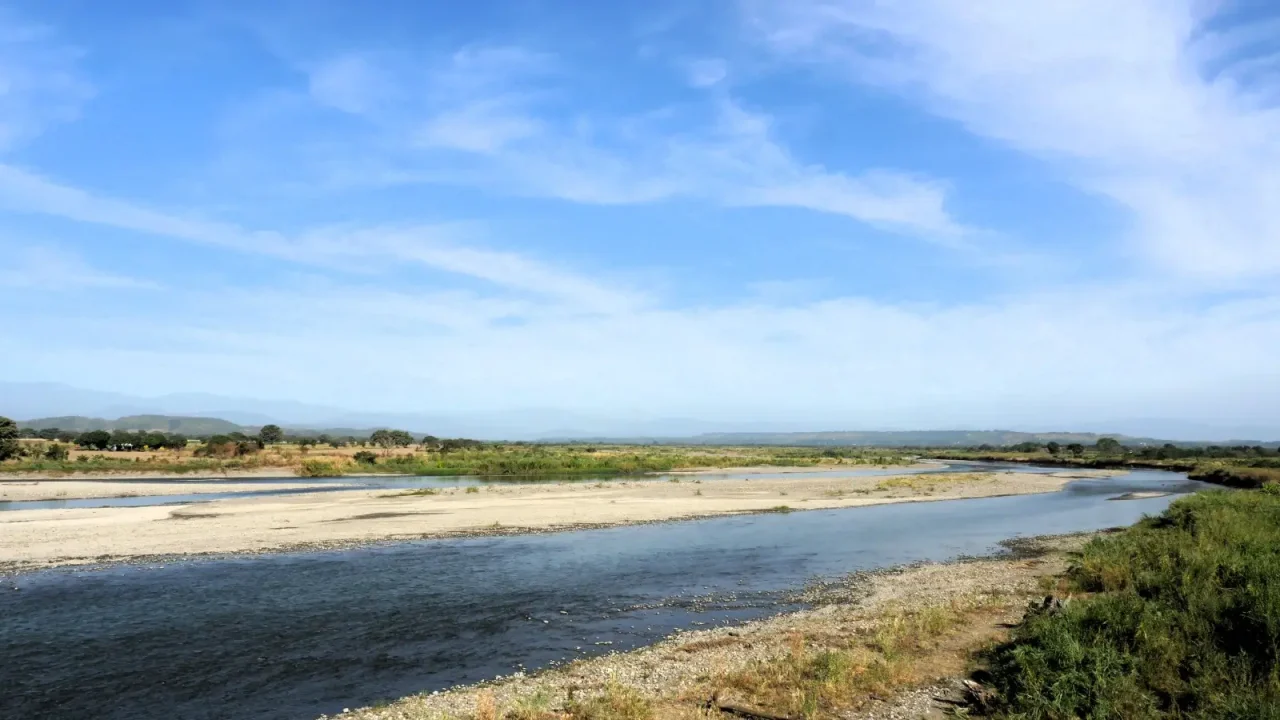
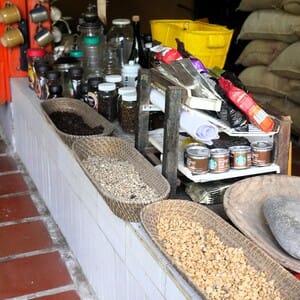
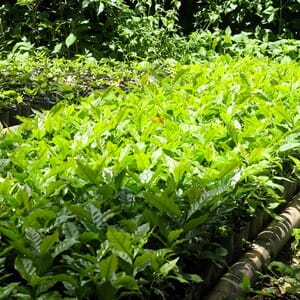
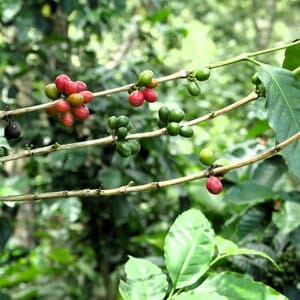
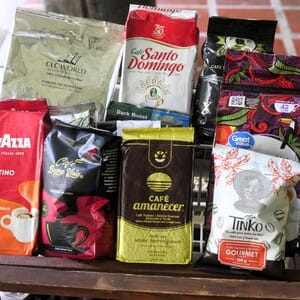
Wer sich auf den Süden von Portuguesa einlässt, wird mit einigen Überraschungen belohnt: Auf der einen Seite die weiten Ebenen der Llanos, auf der anderen die sattgrünen Hügel der Andenausläufer. Ortschaften wie Ospino und Biscucuy haben ihren ursprünglichen, kolonialen Charme bewahrt. Vielerorts lässt sich der hervorragende Kaffee aus PortuguesaKaffee aus PortuguesaDer Bundesstaat Portuguesa zählt zu den bedeutendsten Kaffeeanbauregionen Venezuelas. An den Andenhängen rund um Biscucuy gedeiht auf über 52.000 Hektar exzellenter Hochlandkaffee - dank idealer Höhenlagen und mildem Klima. Allein in der 'Comuna San José de Saguaz' sind 855 Familien in der Kaffeeproduktion tätig.
Die Region ist jedoch nicht nur Anbaugebiet, sondern auch ein bedeutendes Zentrum der Kaffeeverarbeitung. Mit 68 Röstereien wird hier ein Großteil des nationalen Kaffees veredelt. 2026 schafften es gleich mehrere Produzenten aus Portuguesa in die nationale Bestenauswahl - ein Beleg für die hohe Qualität, die hier heranwächst. Eine der bekannteren Marken ist der Kaffee „Amanecer“.
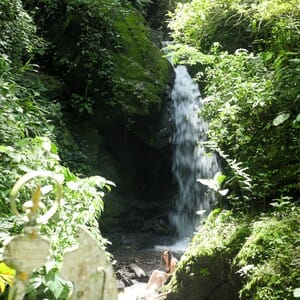
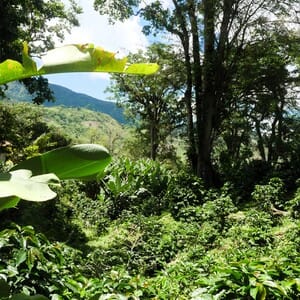
Ein besonderes Erlebnis bieten geführte Touren wie die 'Ruta Agroturística del Café'. Diese Kaffeeroute führt zu alten Haziendas rund um Biscucuy und zeigt die gesamte Produktionskette - von der Pflanzung über die Ernte bis zur Zubereitung - 'de la tierra a la taza' (von der Erde zur Tasse). verkosten. An der Grenze zum Bundesstaat Lara entpuppt sich der artenreiche und schwer zugängliche Parque Nacional El GuacheParque Nacional El GuacheDieser Nationalpark st ein verstecktes Juwel in den Ausläufern der venezolanischen Anden, das sich über Teile der Bundesstaaten Lara und Portuguesa erstreckt. Er wurde am 5. Juni 1992 mit dem Ziel geschaffen, die empfindlichen Quellgebiete der Flüsse Guache, Ospino, Toco, Morador und Are zu schützen, die die landwirtschaftlich bedeutsame Region Portuguesas mit Wasser versorgen. Das Schutzgebiet umfasst eine Fläche von etwa 12.500 Hektar und wird vom Instituto Nacional de Parques (Inparques) verwaltet. Der Park beherbergt eine vielfältige Tier- und Pflanzenwelt und ist ein wichtiger Rückzugsort für bedrohte Arten wie den Oso Frontino (Brillenbär) und den Paují Copete de Piedra. Die Vegetation reicht von offenen Savannen bis zu immergrünen Bergnebelwäldern, in denen zahlreiche Baumfarne und Arten wie der Guamo vorkommen. Zu den Naturschönheiten des Parks zählen mehrere Wasserfälle wie der Chorro Santa Bárbara und natürliche Pools im Río Palmarito. Trotz dieser Attraktionen wird der Park aufgrund der schwierigen Zugänglichkeit vergleichsweise wenig besucht. Für Aktivitäten wie Vogelbeobachtung, Wandern und Klettern ist eine vorherige Genehmigung von Inparques einzuholen. Das Klima im Park ist tropisch-feucht mit Temperaturen zwischen 19 °C und 26 °C. Interessanterweise befinden sich innerhalb der Parkgrenzen auch einige kleine, traditionelle Gemeinschaften, deren Haupterwerb der Kaffeeanbau ist. als Paradies für Wanderer und Naturliebhaber.
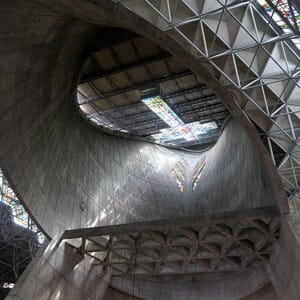
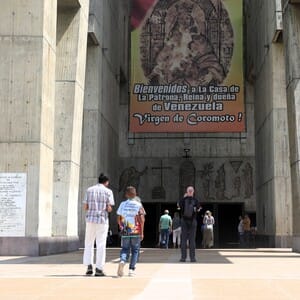
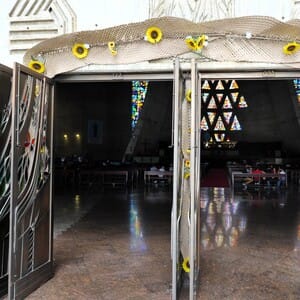
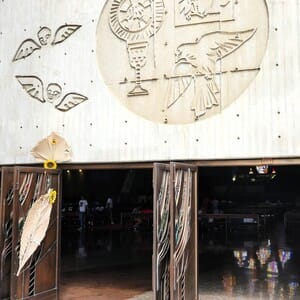
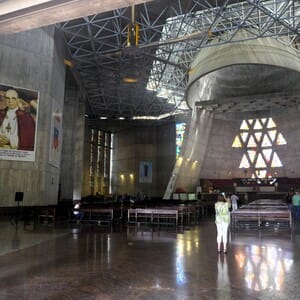
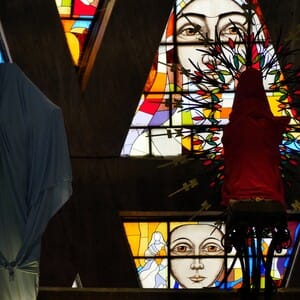
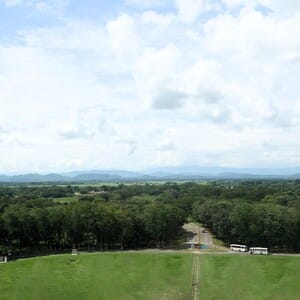
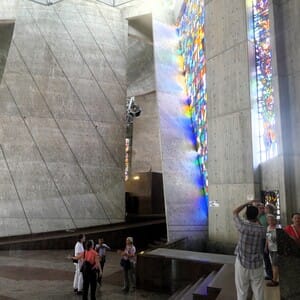
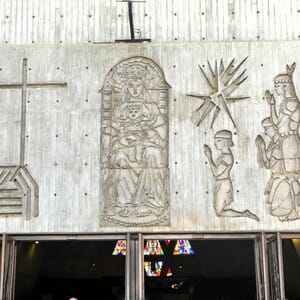
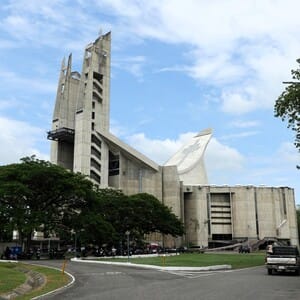
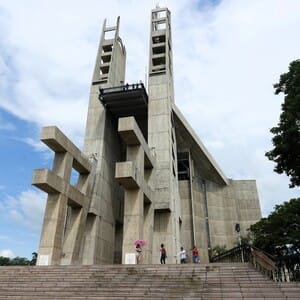
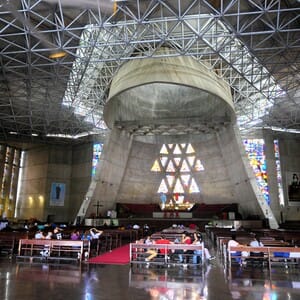
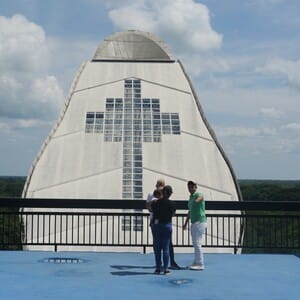
Unstrittig Hauptattraktion ist jedoch das Sanctuario de Sanctuario de Nuestra Señora de CoromotoSanctuario de Nuestra Señora de CoromotoNur unwesentlich kleiner als der Petersdom in Rom bietet dieser imposante modernistische Bau im schönsten Brutalismus in seinem Inneren immerhin rund 50.000 Personen Platz. Von außen nackter Beton, erstrahlt das Innere im farbigen Licht, das durch hunderte von Buntglasfenstern gebrochen wird. Das gleiche Licht, das die umgebenden Ländereien fruchtbar macht und die Venezolaner ernährt. Von der Dachterrasse, die man mit einem Fahrstuhl erreicht, hat man einen fantastischen Blick auf das Umland, bis hin zur Andenkette.
Planung und Bau des Komplexes erstreckten sich über mehr als zwanzig Jahren, bis schließlich am 7. Januar 1996 die Einweihung erfolgte. Bei einer ersten Messe von Papst Johannes Paul II. im Februar desselben Jahres waren mehr als zwei Millionen Gläubige zugegen. Gewidmet ist dieses Heiligtum der Schutzpatronin Venezuelas, der Jungfrau von Coromoto. Der Legende nach soll an dieser Stelle im Jahre 1652 die Jungfrau Maria dem Kaziken Coromoto erschienen sein und ihm befohlen haben, sein Volk zur Taufe zur führen.
Im Inneren der Basilika befinden sich drei Altäre: einer in jedem Seitenschiff und in der Mitte der Hauptaltar, mit dem Bischofsstuhl. Hinter dem Hauptaltar befindet sich der Thron der Jungfrau, auf dem das Bild der Jungfrau von Coromoto zu sehen ist. Dieses Bild ist heute Gegenstand der Verehrung. Unterhalb der Basilika befindet sich ein der Jungfrau von Coromoto gewidmetes Museum, in dem auch die Priestergewänder ausgestellt sind, die der Papst bei seiner Messe in dieser Basilika im Jahr 1996 trug.
Auf dem amerikanischen Kontinent gilt das Sanctuario de Nuestra Señora de Coromoto als die zweitmodernste und -bedeutendste Basilika nach dem Heiligtum Unserer Lieben Frau von Guadalupe in Mexiko.
-
Adresse: Troncal 5 Guanara - Barinas, Abzweig 10 km südlich von Guanare in Sabana de San José, Portuguesa., ein architektonisches Juwel des BrutalismusBrutalismusDer Brutalismus ist ein Baustil der Moderne, der ab 1950 weltweite Verbreitung fand, und seine Hochzeit von den 1960er bis 1980er Jahren hatte. Die Bezeichnung leitet sich vom französischen Begriff des „béton brut“ (roher Beton) ab, der als Sichtbeton die Außenflächen der Gebäude dominiert. Eingeführt wurde dieser Begriff von Le Corbusier, der die sichtbar belassenen Betonflächen der von ihm konzipierten Wohngebäude in Marseille so bezeichnete.
Häufig war mit dem Stil des Brutalismus ein idealisierter Anspruch, authentisch bei Material und Konstruktion und ethisch bei den sozialen Aspekten der Architektur zu sein, verbunden. Insofern tun ihm die heutige negative Rezeptionen unrecht. Durch die Verwendung von Sichtbeton erfolgt eine Betonung der Konstruktion, ähnlich wie im Bauhausstil, die Formen sind geometrisch und eher einfach.
Caracas ist weltweit eine der Städte mit der größten Dichte an Gebäuden im Stil des Brutalismus. Besondere Perlen sind das Teatro Teresa Careño, das Gebäude der Banco Central de Venezuela und der Torre Altamira. von seltener Wucht, für das man ein bis zwei Stunden einplanen sollte.
Niemals ausreichend Trinkwasser, Kopfbedeckung und Sonnenschutz (LSF 50+) vergessen.
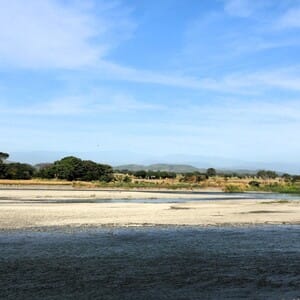
Guanare
240.000 Einwohner, 180 Meter Höhe
GuanareGuanare240.000 Einwohner, 180 Meter HöheGuanare, die Hauptstadt des Bundesstaates Portuguesa, liegt malerisch am Fuße der Anden. Gegründet 1591, über sechzig Jahre später als das nördlich gelegene Acarigua, konnte es über die Jahrhunderte Teile seines kolonialen Charmes in die Gegenwart hinüberretten.
Wie in der gesamten Zone der Llanos ist die Landwirtschaft die Haupterwerbsquelle. Einst stand der Getreideanbau im Vordergrund, heute werden zunehmend Sonderkulturen wie Sesam, Hirse, Tabak, Zuckerrohr und, in Richtung Anden, auch Kaffee angebaut.
Besucht man Guanare, so kommt man nicht umhin, der Schutzpatronin Venezuelas, der Jungfrau von Coromoto, einen Besuch abzustatten. Gleich an zwei Orten kann sie verehrt werden: in der geschichtsträchtigen alten Kathedrale im historischen Zentrum von Guanare, der Basilica Menor Nuestra Señora de Coromoto, und im modernistischen Heiligtum wenige Kilometer außerhalb der Stadt. Letzteres wurde an dem Ort erbaut, an dem der Kazike Coromoto eine Marien-Erscheinung gehabt haben soll., die Hauptstadt des Bundesstaates Portuguesa, liegt malerisch am Fuße der Anden. Im Zentrum hat sich Guanare seinen kolonialen Charme bewahrt, unbedingt sehenswert ist die Basilica Catedral Nuestra Señora de CoromotoBasilica Catedral Nuestra Señora de CoromotoDie Kathedrale von Guanare, zur Basílica Menor Nuestra Señora de Coromoto erhoben, sollte am Nachmittag besucht werden, wenn der Innenraum von der Rosette auf der Rückseite in ein goldenes Licht getaucht wird. Hier betete einst Simón Bolívar am 22. Mai 1821, einen Monat vor der entscheidenden Schlacht von Carabobo. Die Glasfenster stammen aus deutscher Fertigung, der Tabernakel aus peruanischem Silber, der Altar ist mit flüssigem Gold überzogen - und Monsignore José Vicente de Unda, Priester und Pädagoge, hinterließ hier sein Herz, das bis heute in Formaldehyd aufbewahrt wird.
-
Adresse: Plaza Bolívar, Guanare, Portuguesa. an der Plaza Bolívar de GuanarePlaza Bolívar de GuanareMitten auf der Plaza Bolívar steht ein Reiterstandbild, das eine exakte Kopie des Bolívar-Standbildes in Caracas ist. Doch nicht nur das: Ursprünglich hatte der damalige Präsident Rómulo Betancourt dieses Standbild für Peru bestimmt. Doch Gonzalo Barrios, seinerzeit Präsident des Nationalkongresses und gebürtig aus Portuguesa, kidnappte die Statue und brachte sie in seinen Heimatstaat. Seitdem ziert sie diesen schattigen Platz vor der kleinen Basilika und der Kathedrale von Guanare. Ironie des Schicksals: Deren Tabernakel wurden seinerzeit aus peruanischem Silber gefertigt.
-
Adresse: Plaza Bolívar, Guanare, Portuguesa.. Wenige Schritte entfernt liegt das Museo Inés Mercedes Gómez AlvarezMuseo Inés Mercedes Gómez AlvarezDas Museum selbst ist ein außergewöhnliches Kolonialgebäude aus dem Jahre 1801. Über viele Jahre lebte hier der angesehene Priester José Vicente de Unda, der später als Unabhängigkeitsheld und leidenschaftlicher Verfechter der Bildung in die Geschichte eingehen sollte. Er setzte sich jahrelang für die Einrichtung einer Bildungseinrichtung ein und trug seine Vision schließlich Simón Bolívar vor - mit Erfolg: Am 16. Mai 1825 wurde in Guanare die erste öffentliche Weiterführende Schule gegründet, das heutige Liceo Unda - Vorreiter und Vorbild für die später in ganz Venezuela gegründeten 'Colegios Nacionales' (Nationalschulen)
-
Adresse: Carrera 3 con calle 17, Guanare, Portuguesa.
Öffnungszeiten: täglich 8 bis 16 Uhr (kann variieren) , wo 1825 die erste öffentliche weiterführende Schule Venezuelas eingerichtet wurde. Direkt nebenan befindet sich der Parque Los SamanesParque Los SamanesWenige Schritte von der Plaza Bolívar entfernt liegt der 10,5 Hektar Parque Recreacional Los Samanes -Grüne Lunge der Stadt und beliebtes Ausflugsziel für Familien und Naturfreunde. Namensgeber sind die majestätischen Samanes - jahrhundertealte Riesenbäume, die zur Familie der Mimosengewächse gehören. Im Schatten ihrer weit ausladenden, schirmförmigen Kronen ruhten einst schon die Truppen Simón Bolívars auf seinem Feldzug im Jahr 1813.
Der Park ist von Wanderwegen durchzogen, Kinder begeistert der Streichelzoo, und von einem kleinen Hügel bietet sich ein wunderbarer Rundblick über die Stadt und die umliegende weite Landschaft der Llanos. In der neu eröffneten Cafeteria wartet eine Erfrischung. Dank kostenlosem WLAN und einer komplett erneuerten Beleuchtung ist der Park auch am Abend ein einladender Ort. An Wochenenden und Feiertagen finden häufiger Folklore-Veranstaltungen mit Musik und Tanz der Llaneros statt.
-
Adresse: Carrera 1 con Calle 16, Guanare, Portuguesa., die Grüne Lunge der Stadt.
Etwas außerhalb liegt die Hauptsehenswürdigkeit: das Sanctuario de Nuestra Señora de CoromotoSanctuario de Nuestra Señora de CoromotoNur unwesentlich kleiner als der Petersdom in Rom bietet dieser imposante modernistische Bau im schönsten Brutalismus in seinem Inneren immerhin rund 50.000 Personen Platz. Von außen nackter Beton, erstrahlt das Innere im farbigen Licht, das durch hunderte von Buntglasfenstern gebrochen wird. Das gleiche Licht, das die umgebenden Ländereien fruchtbar macht und die Venezolaner ernährt. Von der Dachterrasse, die man mit einem Fahrstuhl erreicht, hat man einen fantastischen Blick auf das Umland, bis hin zur Andenkette.
Planung und Bau des Komplexes erstreckten sich über mehr als zwanzig Jahren, bis schließlich am 7. Januar 1996 die Einweihung erfolgte. Bei einer ersten Messe von Papst Johannes Paul II. im Februar desselben Jahres waren mehr als zwei Millionen Gläubige zugegen. Gewidmet ist dieses Heiligtum der Schutzpatronin Venezuelas, der Jungfrau von Coromoto. Der Legende nach soll an dieser Stelle im Jahre 1652 die Jungfrau Maria dem Kaziken Coromoto erschienen sein und ihm befohlen haben, sein Volk zur Taufe zur führen.
Im Inneren der Basilika befinden sich drei Altäre: einer in jedem Seitenschiff und in der Mitte der Hauptaltar, mit dem Bischofsstuhl. Hinter dem Hauptaltar befindet sich der Thron der Jungfrau, auf dem das Bild der Jungfrau von Coromoto zu sehen ist. Dieses Bild ist heute Gegenstand der Verehrung. Unterhalb der Basilika befindet sich ein der Jungfrau von Coromoto gewidmetes Museum, in dem auch die Priestergewänder ausgestellt sind, die der Papst bei seiner Messe in dieser Basilika im Jahr 1996 trug.
Auf dem amerikanischen Kontinent gilt das Sanctuario de Nuestra Señora de Coromoto als die zweitmodernste und -bedeutendste Basilika nach dem Heiligtum Unserer Lieben Frau von Guadalupe in Mexiko.
-
Adresse: Troncal 5 Guanara - Barinas, Abzweig 10 km südlich von Guanare in Sabana de San José, Portuguesa.. Besonders lohnend ist ein nachmittäglicher Besuch zwischen Dezember und Februar, wenn die Blüten der Girasoles CoromotanosGirasoles CoromotanosVon Dezember bis in den Februar / März hinein verwandelt ein Meer von Sonnenblumen den Weg zur Basílica de Coromoto in ein leuchtend gelbes Blütenmeer. Auf beiden Seiten der Straße, entlang des zwölf Kilometer langen Corredor Coromotano, blühen die Sonnenblumenfelder und ziehen Besucher aus der ganzen Region an.
Vor allem inländische Touristen reisen aus allen Landesteilen an, um Fotos zu machen und dies zumeist mit einem Besuch bei der Virgen de Coromoto zu kombinieren. Am späten Nachmittag, wenn das Licht die Blüten in warmes Gold taucht, zeigt sich die Landschaft von ihrer schönsten Seite. Die Girasoles Coromotanos sind eines der neuen touristischen Highlights von Portuguesa.
-
Adresse: Corredor Coromotano, Guanare, Portuguesa. den Weg rechts und links in warme Goldtöne tauchen.
Reisepraktische Infos
An- und Abreise
Fernbus: Von dem verkehrsgünstig gelegenen Terminal de Pasajeros de Guanare gibt es Verbindungen nach Caracas (5 – 6 Stunden), Maracaibo (8,5 – 9,5 Stunden), Valencia (3 Stunden), Barquisimeto (2,5 – 3 Stunden), Barinas (2 Stunden) und San Cristóbal (7 Stunden).
Auf der Straße: Guanare liegt an der Troncal 5 (Autopista José Antonio Páez), die Barquisimeto im Bundesstaat Lara mit San Cristobal in Táchira verbindet und bis Barinas als Autobahn ausgebaut ist. In gut einer Stunde erreicht man über die erst kürzlich instand gesetzte Local 1 die Kaffeeregion um Biscucuy.
Mit dem Flugzeug: Der Flughafen Guanare Virgen de Coromoto (IATA-Code: GUQ) ist derzeit nicht für Linienflüge in Benutzung.
Unterkünfte
In der Stadt selbst, entlang der Ausfallstraßen und im Umland gibt es reichlich Übernachtungsmöglichkeiten, unsere Empfehlungen:
Das gehobene Nuevo Hotel CoromotoNuevo Hotel CoromotoSicherlich die beste Option als Standardhotel in Guanare, das von Familien, Paaren und Geschäftsleuten gleichermaßen frequentiert wird. Modern eingerichtete Zimmer, es gibt ein Restaurant und - wie sich das für eine ordentliche Unterkunft in den Llanos gehört - einen Gartenbereich mit Pool.
-
Adresse: Carrera 3, Guanare, Portuguesa.
Preise: €€ im Stadtzentrum bietet einen Pool und ein eigenes Restaurant. Marcador de parrafo
Die Posada Turistica Magic HillPosada Turistica Magic HillDieser abgelegene Ort in ländlicher Umgebung garantiert Ruhe und Erholung. Komfortable Zimmer, ein guter Service und ausgezeichnetes Essen sorgen für Entspannung pur. Dazu gibt es einen gepflegten Pool mit Bar - was will man mehr?
Avenida Principal parte alta de La Colonia, Guanare, Portuguesa. befindet sich in ländlicher Umgebung und ist für ihre traditionelle Küche bekannt.
Essen und Trinken
Die Küche der Llanos ist von (Rind-) Fleisch, Käse und der allgegenwärtigen CachapaCachapaDie Cachapa ist einer der beliebtesten Straßensnacks Venezuelas und in allen Regionen des Landes zu finden, besonders aber in den Llanos. Im Gegensatz zur Arepa, die aus Maismehl hergestellt wird, besteht die Cachapa aus frischem, jungen Mais - auch Jojoto genannt -, was ihr eine natürliche Süße und eine weiche, leicht stückige Textur verleiht. Der Teig wird auf einer heißen Eisenplatte, dem Budare, goldgelb gebacken und anschließend gefaltet mit einer großzügigen Portion weißem, weichem Käse gefüllt, der durch die Hitze cremig schmilzt. Häufig wird sie zusätzlich mit einem Stück Butter serviert. Die Cachapa kann pur, als Beilage oder mit herzhaften Füllungen wie Carne mechada (fasriges Rindfleisch) oder knusprigem Chicharrón genossen werden. Sie wurde 2019 zum immateriellen Kulturerbe Venezuelas erklärt. Dazu passt eine frisch zubereitete Papelón con Limón - ein erfrischendes Zuckerrohrgetränk mit Zitrone.
Rezept für Cachapa
Zutaten für etwa 6-8 kleine Cachapas: 400 g frische Maiskörner (alternativ Dose, abgetropft); 100 ml Milch; 1 Ei; 1 EL Zucker; 1 Prise Salz; 2 EL Maismehl (optional, für festeren Teig); 200 g weißer, weicher Käse (z. B. Queso de mano oder Mozzarella); Butter zum Einfetten
Zubereitung: 1.) Die frischen Maiskörner mit Milch, Ei, Zucker und Salz in einem Mixer oder einer Küchenmaschine grob pürieren - die Masse sollte leicht stückig bleiben, nicht völlig glatt. Bei Bedarf das Maismehl unterrühren, bis ein dickflüssiger Teig entsteht. 2.) Eine schwere Pfanne oder Grillplatte bei mittlerer Hitze mit etwas Butter einfetten. Für jede Cachapa etwa eine Kelle Teig in die Pfanne geben und zu einem flachen, runden Pfannkuchen von etwa 1 cm Dicke verstreichen. 3.) Jede Seite 3-4 Minuten backen, bis sie goldbraun und an den Rändern leicht knusprig ist. Die Cachapa sollte innen weich und saftig bleiben. 4.) Den weichen Käse in Scheiben oder Streifen schneiden. Die fertige Cachapa vom Herd nehmen, den Käse in die Mitte legen, die Hälfte darüber klappen und kurz ruhen lassen, bis der Käse schmilzt. Sofort servieren - am besten mit einem Stück Butter obendrauf. geprägt. Unsere Empfehlungen:
Essen
Wer Lust auf eine klassische Arepa mit Fleisch oder Käse verspürt, dem sei die Arepera NicoArepera NicoMaría Nicolasa Linares de Pedroza (Nico) und ihre Kinder sind weiterhin glücklich. Sie öffnen täglich ihren kleinen Imbiss und servieren Arepas mit Carne Mechada (zerrupftem Rindfleisch) - lecker und schmackhaft - Queso de Mano (weißem Käse) oder beidem zusammen. Dazu gibt es frisch zubereitete Säfte, Guayoyo-Kaffee (in etwa dem deutschen Blümchen-Kaffee entsprechend), und Suero (Buttermilch).
-
Adresse: Callejón 1 del Barrio Coromoto, Guanare, Portuguesa.
Preise: € empfohlen.
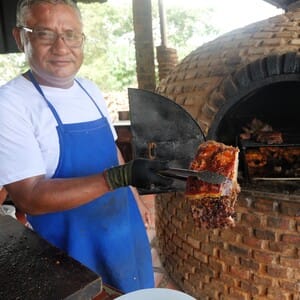
Cachapa mit Queso llanero, dazu Carne en Vara (Grillfleisch am Spieß) wird im El Fogón de IvánEl Fogón de IvánAn diesem Herd lohnt es sich, eine Rast einzulegen, um einfaches, kreolisches Essen zu genießen. Der Schweinebraten steht in dem Ruf, der Beste zu sein, die Cachapas (Maispfannkuchen) sind ausgezeichnet, und der Service sehr aufmerksam.
Von Busfahrern empfohlen.
-
Adresse: Autopista General José Antonio Paéz, Quebrada de la Virgen, wenige Meter südlich des Abzweigs zum Sanctuario de N.S. de Coromoto, Guanare, Portuguesa.
Öffnungszeiten: täglich tagsüber
Preise: €-€€ aufgetischt. Für Nicht-Fleischesser gibt es großzügige Salate.
Zwischendurch
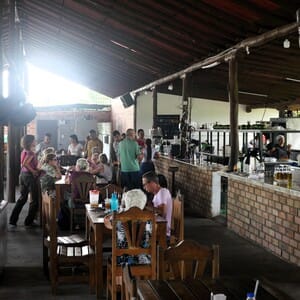
Im Braseros GrillBraseros GrillAlteingesessenes Grill-Restaurant, in dem es natürlich vor allem eines gibt: Fleisch! Vom Grillhähnchen über Schweinefleisch aus dem Tontopf bis zum Churrasco kommen Nicht-Vegetarier hier voll auf ihre Kosten. Dazu gibt es Yuca (gedämpfte Maniokwurzel) und Guasacaca (Avocadosauce) und Picante. Die Kundschaft ist begeistert, die Preise erschwinglich und die Atmosphäre unter der Churuata (strohgedeckte Hütte) angenehm.
-
Adresse: Avenida 23 de Enero con Avenida Giraluna, Guanare, Portuguesa.
Öffnungszeiten: dienstags bis sonntags, 11:30 bis 16 Uhr
Preise: €€ kann man entspannt erlesenen Hochlandkaffee genießen.
Veranstaltungen
Im CachapaCachapaDie Cachapa ist einer der beliebtesten Straßensnacks Venezuelas und in allen Regionen des Landes zu finden, besonders aber in den Llanos. Im Gegensatz zur Arepa, die aus Maismehl hergestellt wird, besteht die Cachapa aus frischem, jungen Mais - auch Jojoto genannt -, was ihr eine natürliche Süße und eine weiche, leicht stückige Textur verleiht. Der Teig wird auf einer heißen Eisenplatte, dem Budare, goldgelb gebacken und anschließend gefaltet mit einer großzügigen Portion weißem, weichem Käse gefüllt, der durch die Hitze cremig schmilzt. Häufig wird sie zusätzlich mit einem Stück Butter serviert. Die Cachapa kann pur, als Beilage oder mit herzhaften Füllungen wie Carne mechada (fasriges Rindfleisch) oder knusprigem Chicharrón genossen werden. Sie wurde 2019 zum immateriellen Kulturerbe Venezuelas erklärt. Dazu passt eine frisch zubereitete Papelón con Limón - ein erfrischendes Zuckerrohrgetränk mit Zitrone.
Rezept für Cachapa
Zutaten für etwa 6-8 kleine Cachapas: 400 g frische Maiskörner (alternativ Dose, abgetropft); 100 ml Milch; 1 Ei; 1 EL Zucker; 1 Prise Salz; 2 EL Maismehl (optional, für festeren Teig); 200 g weißer, weicher Käse (z. B. Queso de mano oder Mozzarella); Butter zum Einfetten
Zubereitung: 1.) Die frischen Maiskörner mit Milch, Ei, Zucker und Salz in einem Mixer oder einer Küchenmaschine grob pürieren - die Masse sollte leicht stückig bleiben, nicht völlig glatt. Bei Bedarf das Maismehl unterrühren, bis ein dickflüssiger Teig entsteht. 2.) Eine schwere Pfanne oder Grillplatte bei mittlerer Hitze mit etwas Butter einfetten. Für jede Cachapa etwa eine Kelle Teig in die Pfanne geben und zu einem flachen, runden Pfannkuchen von etwa 1 cm Dicke verstreichen. 3.) Jede Seite 3-4 Minuten backen, bis sie goldbraun und an den Rändern leicht knusprig ist. Die Cachapa sollte innen weich und saftig bleiben. 4.) Den weichen Käse in Scheiben oder Streifen schneiden. Die fertige Cachapa vom Herd nehmen, den Käse in die Mitte legen, die Hälfte darüber klappen und kurz ruhen lassen, bis der Käse schmilzt. Sofort servieren - am besten mit einem Stück Butter obendrauf. finden regelmäßig Konzerte und Kulturveranstaltungen statt.
Einkaufen
Portuguesa verfügt über eine lebendige Kunsthandwerkszene. Zu den typischen Erzeugnissen gehören farbenfrohe Webarbeiten wie Alpargatas (Bast- bzw. Stoffsandalen) und Taschen, geschnitzte Holzfiguren sowie handgefertigte Musikinstrumente wie Maracas, Cuatro (4-saitige Gitarre) und Centro Cultural Tomás MontillaCentro Cultural Tomás MontillaDer zentral gelegene Platz mit seinem Musikpavillon ist regelmäßig Schauplatz von Konzerten und Veranstaltungen. Ein Höhepunkt war 2024 das Konzert des Jugendsymphonieorchesters mit Queen-Klassikern - die Venezolaner sind schließlich verrückt nach dieser Band. Das abwechslungsreiche Programm begeistert besonders Familien.
Regionale Kunsthandwerker präsentieren auf kleinen Messen regelmäßig ihre Produkte.
-
Adresse: Carrera 4 con calle 7, Guanare, Portuguesa. stellen Kunsthandwerker der Region regelmäßig ihre Arbeiten aus.
Ausflüge in die Umgebung
Die Ruinen der San Rafael de Las GuasduasSan Rafael de Las GuasduasFünfzehn Kilometer östlich von Guanare liegen die Ruinen der Kirche San Rafael de Las Guasduas. Das Gotteshaus aus dem 17. Jahrhundert blieb unvollendet, da eine Gelbfieber-Epidemie die Bevölkerung dezimierte. Das Dorf musste letztlich aufgegeben werden. Bis heute steht das Bauwerk in seinem ursprünglichen Zustand - ein mächtiger Baum wächst aus einer Seitenwand. Ein magischer Ort, der in vergangene Zeiten versetzt.
-
Adresse: San Rafael de Las Guasduas, Portuguesa (nur von der alten Landstraße aus erreichbar). sind ein faszinierender Lost Place, dessen Gemäuer von einer längst vergangenen Zeit erzählen.
Um den Embalse de La CoromotoEmbalse de La CoromotoDieser schön am Fuße der Berge gelegene Stausee war einst ein beliebtes Ausflugsziel, das für seine Wassersportmöglichkeiten (vom Kanufahren bis zur Sportfischerei) bekannt gewesen ist. Von einigen hier lebenden Fischern abgesehen, ist der Ort heute weitgehend verlassen und die Anlagen, darunter ein riesiges Hotel, sich selbst überlassen.
Für einen Besuch sollte ein ortskundiger Führer angeheuert werden.
-
Adresse: Embalse de La Coromoto, 20 km westlich von Guanare, Portuguesa., einst ein beliebtes Ausflugsziel, zu erkunden, sollte man besser einen ortskundigen Führer engagieren.
Ospino
39.200 Einwohner, 190 m Höhe
OspinoOspino39.200 Einwohner, 190 m HöheDiese kleine, historisch und landschaftlich reizvolle Stadt ist ein Paradies für Naturliebhaber. Im historischen Ortskern findet sich Kolonialarchitektur, hübsch ist die gut erhaltene Kirche San Fernando Rey im Kolonialstil an der Plaza Bolívar. Der Ort spielte im Unabhängigkeitskrieg gegen die spanische Kolonialmacht eine wichtige Rolle, die Schlacht von Ospino am 2.2.1814 war ein wichtiger Sieg der Patrioten gegen die royalistischen Truppen.
Ospino ist das Einganstor zum Parque Nacional El Guache mit seinen üppig-grünen Wäldern und Wasserfällen - ein Paradies für Wanderer und Vogelkundler.
Der Karneval in Ospino ist eine der wichtigsten Veranstaltungen im gesamten Bundesstaat Portuguesa und für seine großen Festwagen und farbenfrohen Kostüme bekannt. ist einer dieser kleinen Orte, die sich ihren kolonialen Charme bewahrt haben. Zugleich ist er das Eingangstor zum Parque Nacional El GuacheParque Nacional El GuacheDieser Nationalpark st ein verstecktes Juwel in den Ausläufern der venezolanischen Anden, das sich über Teile der Bundesstaaten Lara und Portuguesa erstreckt. Er wurde am 5. Juni 1992 mit dem Ziel geschaffen, die empfindlichen Quellgebiete der Flüsse Guache, Ospino, Toco, Morador und Are zu schützen, die die landwirtschaftlich bedeutsame Region Portuguesas mit Wasser versorgen. Das Schutzgebiet umfasst eine Fläche von etwa 12.500 Hektar und wird vom Instituto Nacional de Parques (Inparques) verwaltet. Der Park beherbergt eine vielfältige Tier- und Pflanzenwelt und ist ein wichtiger Rückzugsort für bedrohte Arten wie den Oso Frontino (Brillenbär) und den Paují Copete de Piedra. Die Vegetation reicht von offenen Savannen bis zu immergrünen Bergnebelwäldern, in denen zahlreiche Baumfarne und Arten wie der Guamo vorkommen. Zu den Naturschönheiten des Parks zählen mehrere Wasserfälle wie der Chorro Santa Bárbara und natürliche Pools im Río Palmarito. Trotz dieser Attraktionen wird der Park aufgrund der schwierigen Zugänglichkeit vergleichsweise wenig besucht. Für Aktivitäten wie Vogelbeobachtung, Wandern und Klettern ist eine vorherige Genehmigung von Inparques einzuholen. Das Klima im Park ist tropisch-feucht mit Temperaturen zwischen 19 °C und 26 °C. Interessanterweise befinden sich innerhalb der Parkgrenzen auch einige kleine, traditionelle Gemeinschaften, deren Haupterwerb der Kaffeeanbau ist. mit seinen üppig-grünen Wäldern und Wasserfällen – ein Paradies für Wanderer und Vogelkundler.
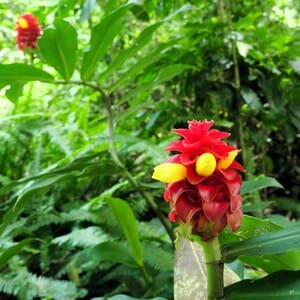
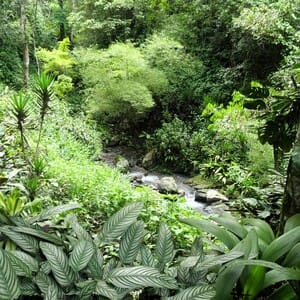
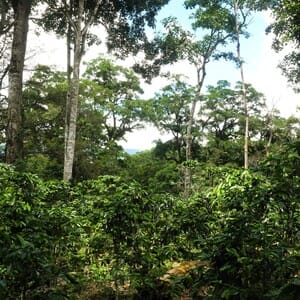
Parque Nacional El Guache
Wer dieses versteckte Juwel in den Ausläufern der venezolanischen Anden erkunden möchte, erhält aktuelle Informationen (und womöglich eine Genehmigung für bestimmte Aktivitäten) bei der InparquesInparquesDer Schutz der Nationalparks in Venezuela liegt in den Händen des Instituto Nacional de Parques (Inparques). Diese Behörde wurde am 3. Oktober 1973 gegründet und ist dem Ministerio del Poder Popular para el Ecosocialismo unterstellt. Ihre Aufgabe ist es, die öffentlichen Politik zum Schutz und zur Verwaltung des Systems der Nationalparks, Naturdenkmäler und Erholungsparks umzusetzen. Dieses System umfasst 45 Nationalparks, 38 Naturdenkmäler und 65 Erholungsparks - zusammen zusammen mehr als ein Fünftel des venezolanischen Territoriums, das 90 % der Quellen für das Trinkwasser des Landes beherbergt.
Die Verwaltung und Überwachung der Schutzgebiete erfolgt vor Ort durch ein Cuerpo Civil de Guardaparques, die neugierigen Touristen gerne spontan eine kleine Privatführung angedeihen lassen. Für diesen Fall bitte ein kleines Trinkgeld bereit halten!
-
Adresse: Avenida Francisco Fajardo, Edificio Sur del Museo de Transporte, Santa Cecilia, Municipio Sucre, Miranda. . Der Park ist sehr artenreich und wird relativ selten besucht.
Guanarito
38.200 Einwohner, 85 Meter Höhe
Wer das authentische Llanos-Erlebnis sucht, ist in GuanaritoGuanarito38.200 Einwohner, 85 Meter Höhe
Wer das authentische Llanos-Erlebnis sucht, ist hier goldrichtig. Der Ort wird auch die „Kornkammer Venezuelas“ genannt, ein Besuch bietet die Möglichkeit zu Einblicken in das ländliche Leben aus nächster Nähe. Die Finca San Francisco des Instituto Universitario Jesús Obrero (IUJO) ist ein beeindruckendes Beispiel für moderne Landwirtschaft. Besucher können sich den Alltag der Llaneros ansehen, die mit dem Sonnenaufgang aufstehen, um die Kühe zu melken, während im Hintergrund die traditionelle Harfenmusik der Llanos erklingt.
Guanarito ist untrennbar mit der berühmtesten und vielleicht unheimlichsten Legende Venezuelas verbunden: El Silbón. Die Geschichte dieses geisterhaften Pfeifers ist tief in der lokalen Kultur verwurzelt und zieht Besucher an, die sich für Mythen und Erzählungen interessieren. Die Einheimischen können sicherlich viele Geschichten über dieses Schreckgespenst erzählen.
-
Adresse: Carretera hacia Dolores, Guanarito, Portuguesa. goldrichtig. Mehrere Fincas bieten Besuchern die Möglichkeit, einen Einblick in das Landleben zu gewinnen.
Biscucuy
12.800 Einwohner, 560 m BiscucuyBiscucuy12.800 Einwohner, 560 m Höhe
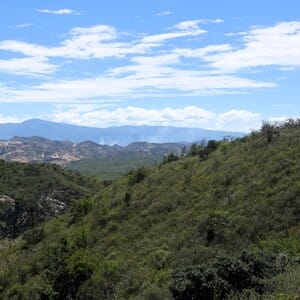
Die herrlich frische Bergluft lädt zu Spaziergängen durch die aromatisch duftenden Kaffeeplantagen in den Hügeln rund um Biscucuy ein. Das 1778 als Missionsstation gegründete Dorf hat seine koloniale Struktur weitgehend bewahrt. Es gibt gemütliche, kleine Gasthäuser und ruhig gelegene, in der Regel günstige Unterkünfte, von denen aus sich stets ein schöner Blick ins Grüne bietet.
Die Kaffeeernte findet in der Zeit zwischen Oktober und Dezember statt, was die beste Reisezeit darstellt. Eine Einladung zum Kaffeetrinken abzulehnen, gilt vor Ort als nahezu unverzeihlich.
Kontakt: Ken Alejandro Espinoza ist selber Kaffeeproduzent, er vermittelt Touren zu den Haziendas und ist auch bei der Organisation mehrtägiger Aufenthalte behilflich. liegt umgeben von grünen Hügeln in den Ausläufern der Anden. Der Ort bietet sich als Basis für Ausflüge in die Umgebung an.
Unterkünfte
Es gibt eine Reihe einfacher Unterkünfte, unsere Empfehlung:
Die Finca LisenarumFinca LisenarumBio-Kaffee, Kakao und Bergidylle bei Biscucuy. Nur wenige Minuten von Biscucuy entfernt, an der Straße nach Boconó, liegt die Finca Lisenarum. Gäste übernachten in gemütlichen Chalets mit Blick auf die neblige Bergkulisse, genießen den Pool und den Duft von frisch geröstetem Bio-Kaffee. Besonders spannend ist die hauseigene Bean-to-Bar-Schokoladenmanufaktur, die nach der Philosophie arbeitet: nur reiner Kakao, ohne Zusätze, mit viel Geduld und Hingabe. Die Finca ist ein Ort der Ruhe und Authentizität - ideal für alle, die der Hektik entfliehen und die Ursprünge von Kaffee und Kakao erleben möchten.
Übrigens: Der Name steht übrigens nicht nur für die Inhaberfamilie, sondern auch für eine seltene Orchideensorte. Mehr hierzu kann man bei einem Besuch vor Ort erfahren.
-
Adresse: Carretera nacional Biscucuy - Bocono, Portuguesa.
Preise: €€ nur wenige Minuten vom Ortskern entfernt, bietet Bio-Kaffee, Kakao und Bergidylle an.
Essen und Trinken
Zahlreiche kleine Gasthäuser laden zur Einkehr ein.
Essen
Seit über 40 Jahren eine feste Größe ist das Restaurante El MuroRestaurante El MuroSeit über 40 Jahren ist das Restaurante El Muro eine feste Größe in der Gastronomie von Biscucuy. Gegründet von Faustina Castellanos und Griseldina ('Chela'), wird die Familientradition heute von Tibisay Silva gemeinsam mit ihrer Tante in den Küchen fortgeführt. Das Restaurant ist bekannt für seine typisch venezolanischen Gerichte - herzhaft, sukkulent und mit jahrzehntelanger Erfahrung zubereitet. Ein besonderes Highlight ist der Kaffee aus der Hochlandregion von Portuguesa, der hier als Handaufguss nach japanischer Methode zubereitet wird - ein Erlebnis, das die feinen Aromen der heimischen Bohnen perfekt zur Geltung bringt. Dazu gibt es erfrischende Malteadas (Milchshakes) mit Kaffee oder Schokolade.
-
Adresse: Paseo Ferial, Biscucuy, Portuguesa.
Preise: €€ bekannt für seine typisch venezolanischen Gerichte.
Besonders schön gelegen ist das Restaurant Centro Agroturistico Gran MorocotoRestaurant Centro Agroturistico Gran MorocotoHier gibt es typische lokale Speisen und Getränke, die einen Einblick in die Küche der Region geben. Die kleine Lagune des Anwesens bietet einen Lebensraum für zahlreiche Vögel, die hier in ruhiger Umgebung beobachtet werden können. Besonders reizvoll sind abendliche Bootstouren zum Sonnenuntergang. Ideal für alle, die dem Alltag entfliehen möchten.
-
Adresse: Am östlichen Ortsrand, Paraíso de Chabasquén, Portuguesa.
Preise: €€ .
Auf der Speisekarte stehen Fischgerichte. Der Cachama gehört zu den Salmlerfischen (wie unter anderem auch Piranas) und ist wegen seines festen, weißen Fleisches und der wenigen Gräten ein beliebter Speisefisch.
-
Adresse: Carretera Nacional Boconó - Guanare, Biscucuy, Portuguesa
Preise: €€ ist eine Mischung aus Gastronomie und Freizeitzentrum.
Zwischendurch
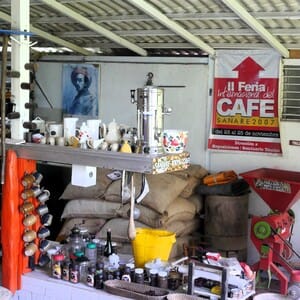
Wer verschiedene Spezialitäten-Kaffees probieren möchte, ist im Troja CaféTroja CaféWer in Biscucuy unterwegs ist und gerne guten Kaffee trinkt, darf sich einen Besuch in Jorge Luis Montillas Café Troja nicht entgehen lassen. Kaffeegenuss wird hier dank strengster Bohnenselektion und mittlerer Röstung zu einem wissenschaftlichen Erlebnis. Neben Verkostungen und Workshops zur sensorischen Analyse bietet das Café Einblicke in die venezolanische Spitzenkaffee-Kultur, und ist ein Muss für alle, die echten Specialty Coffee abseits der Touristenpfade suchen.
-
Adresse: Sotano del edificio Mundo Azúl, Calle Paéz con Bolívar, Biscucuy, Portuguesa.
Preise: €€ goldrichtig.
Das Café de Altura BiscucuyCafé de Altura BiscucuyDieses sympathische Café bietet Gourmet-Kaffeespezialitäten aus dem Anbaugebiet rund um Biscucuy an. Dazu gibt es eine breite Auswahl an Kuchen, Keksen und Süßspeisen.
-
Adresse: Nuevo Hotel Coromoto, Carretera 3, Guanare, Portuguesa.
Preise: €€-€€€ bietet neben Gourmet-Kaffees eine breite Auswahl an Kuchen, Keksen und Süßspeisen.
Ausflüge in die Umgebung
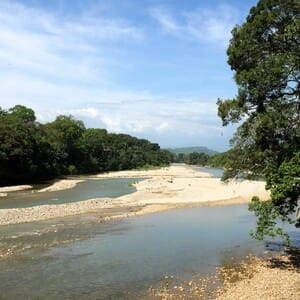
Wenige Kilometer vom Ortskern entfernt liegt das Parque Ecológico Río SaguazParque Ecológico Río SaguazNur sieben Kilometer vom verschlafenen Ortskern entfernt, verbirgt sich ein wahres Naturjuwel: der Río Saguaz. Das klare, eiskalte Wasser des Gebirgsflusses lädt an heißen Tagen zu einem erfrischenden Bad ein, während die umliegende Bergkulisse mit üppigen Kaffeepflanzungen das Auge erfreut. Wer nicht nur planschen möchte, unternimmt, am besten mit einem lokalen Führer, eine kurze Wanderung entlang der Quebrada Negra - ein etwas felsiger Pfad, der an einem atemberaubenden, über 15 Meter hohen Wasserfall endet.
Zur Stärkung bieten kleine Verkaufsstände typische Empanadas und ein besonders köstliches, hausgemachtes Quesillo de Café. Der Río Saguaz ist ein Ort purer Ursprünglichkeit und ein Geheimtipp für alle, die Natur abseits der Massen suchen.
-
Adresse: Carretera Biscucuy - Chabasquén, Portuguesa..
Das ruhige Santa LucíaSanta LucíaNur etwa fünf Kilometer östlich vom Zentrum Biscucuys entfernt, bietet dieser ruhige Ort eine völlig andere Perspektive auf die umliegende Sierra de Portuguesa. Während Biscucuy auf rund 520 Metern liegt, genießt man in Santa Lucía bereits die frische, kühle Bergluft - ein idealer Ausgangspunkt für Wanderungen oder Mountainbike-Touren entlang der berühmten Kaffee-Route. Die Anhöhen rund um das Dorf, wie der nahegelegene Alto Santa Lucía, belohnen mit weiten Blicken über die üppig grünen Plantagen.
Santa Lucía ist ein Fleckchen Abgeschiedenheit für alle, die die ursprüngliche Bergkultur und die Stille der venezolanischen Andenausläufer suchen.
-
Adresse: Carretera Biscucuy - Santa Lucia, Portuguesa. ist Ausgangspunkt für Touren entlang der Kaffee-Route.
Auf 1.200 Metern Höhe inmitten des Naturparks Montaña de los Pozuelos liegt das malerische San José de la MontañaSan José de la MontañaAuf 1.200 Metern Höhe, umgeben von grünen Bergen, liegt das malerische Dorf San José de la Montaña. Der Ort besticht durch seine koloniale Architektur, gepflasterte Gassen und ein authentisches Ambiente, in dem die Zeit stehengeblieben zu sein scheint.
Das Highlight der Umgebung ist der Chorro de San Juan, ein gut 55 Meter hoher Wasserfall. Er liegt im Naturpark Montaña de los Pozuelos und ist Teil einer Kaskadenkette entlang des Río María. Ein rund einen Kilometer langer, anspruchsvoller Wanderweg führt zum Wasserfall - die Tour erfordert eine gute körperliche Verfassung. Unterwegs säumen heimische Baumarten wie Guamo, Bucare und Yagrumo den Pfad, dazu gesellen sich zahlreiche Orchideenarten. Besonders beeindruckend ist die Vogelwelt: Fast 200 Arten wurden hier nachgewiesen, darunter Tukane und Papageien. Auch Säugetiere wie Hirsche, Faultiere und sogar Jaguare sind in dieser abgelegenen Bergregion zu Hause..
Bekannt für seinen Kaffeeanbau ist auch das Paraíso de ChabasquénParaíso de ChabasquénDas 20.000 Einwohner-Dorf Paraíso de Chabasquén auf 660 Metern Höhe wurde 1767 gegründet und hat viel von seinem kolonialen Charme erhalten. Das Klima ist gemäßigt und bietet ideale Bedingungen für den Kaffeeanbau. Der Kaffee wird hier auch lokal verarbeitet..